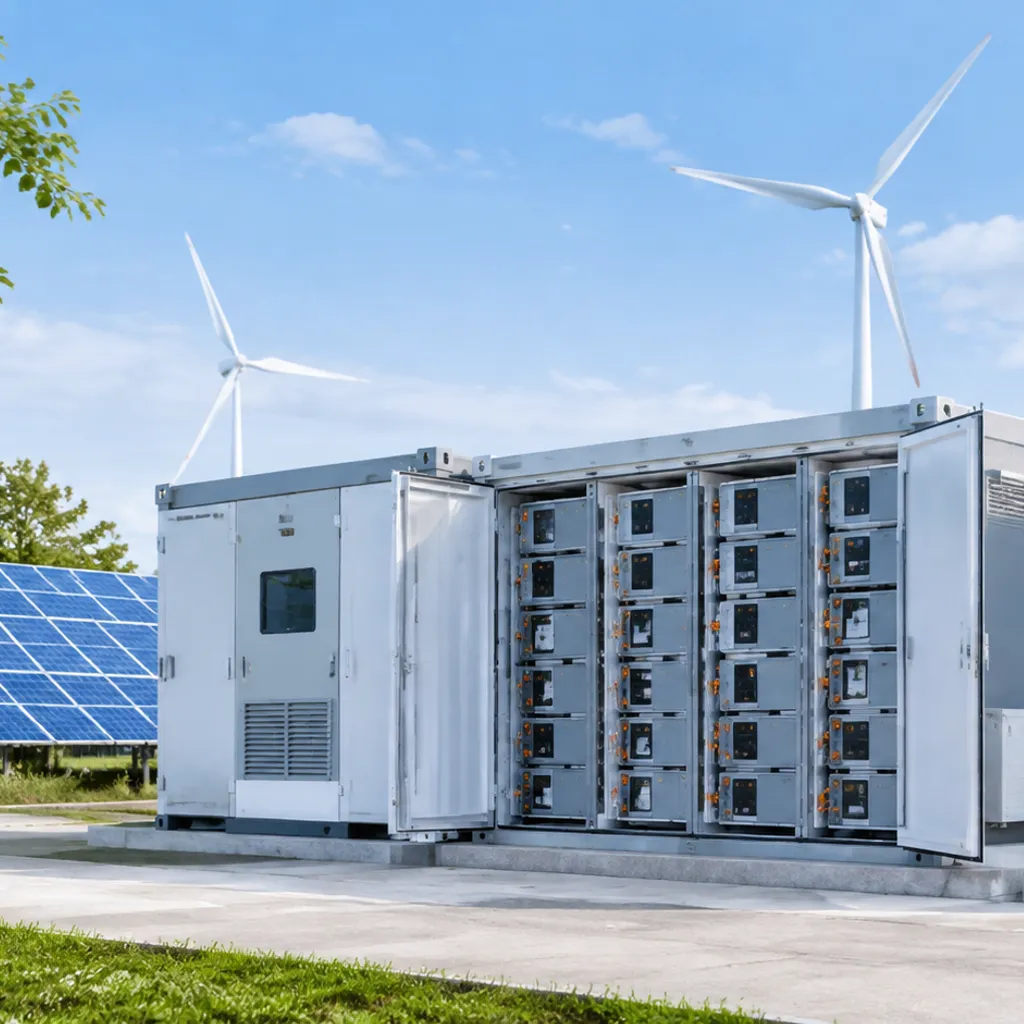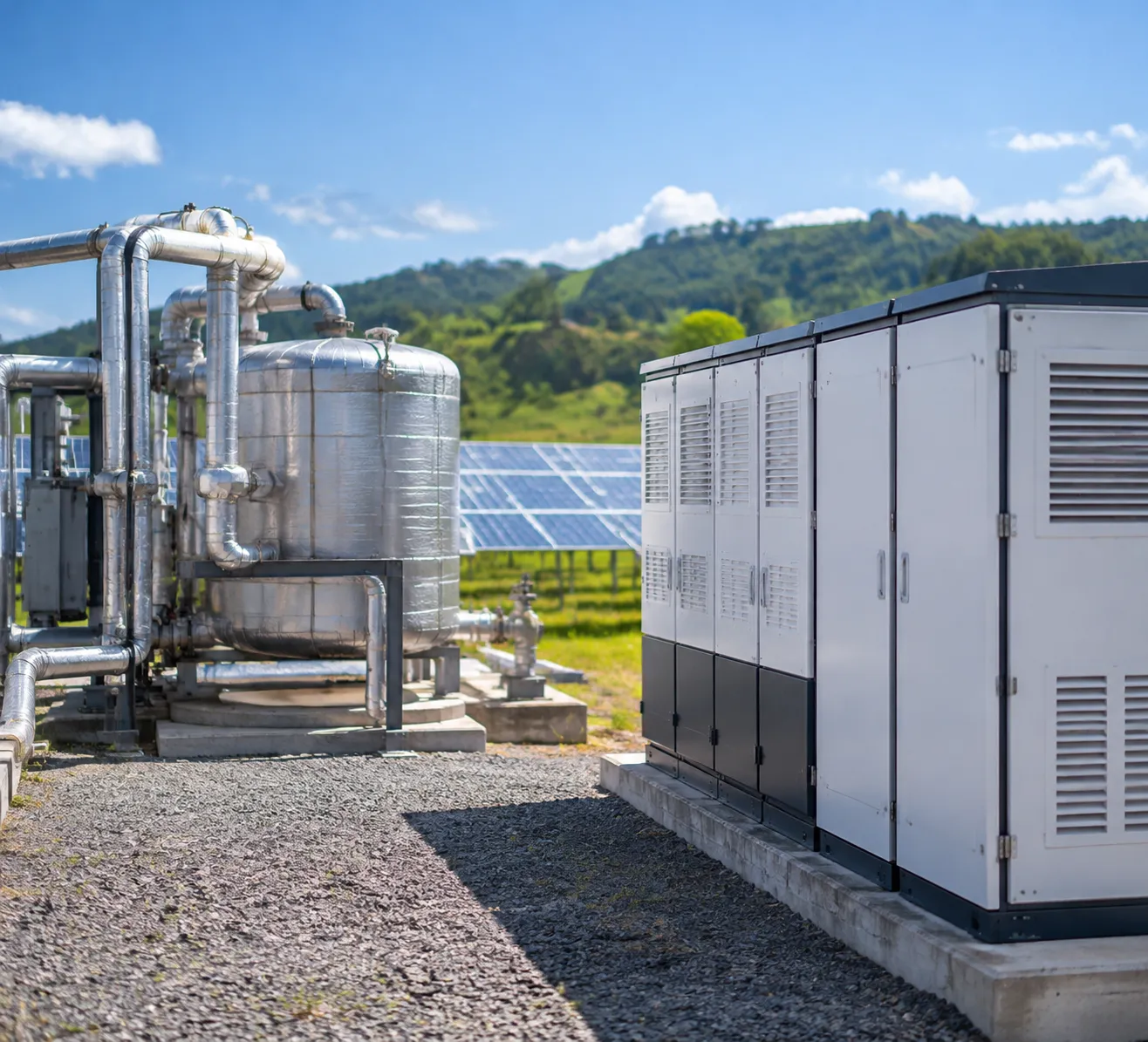
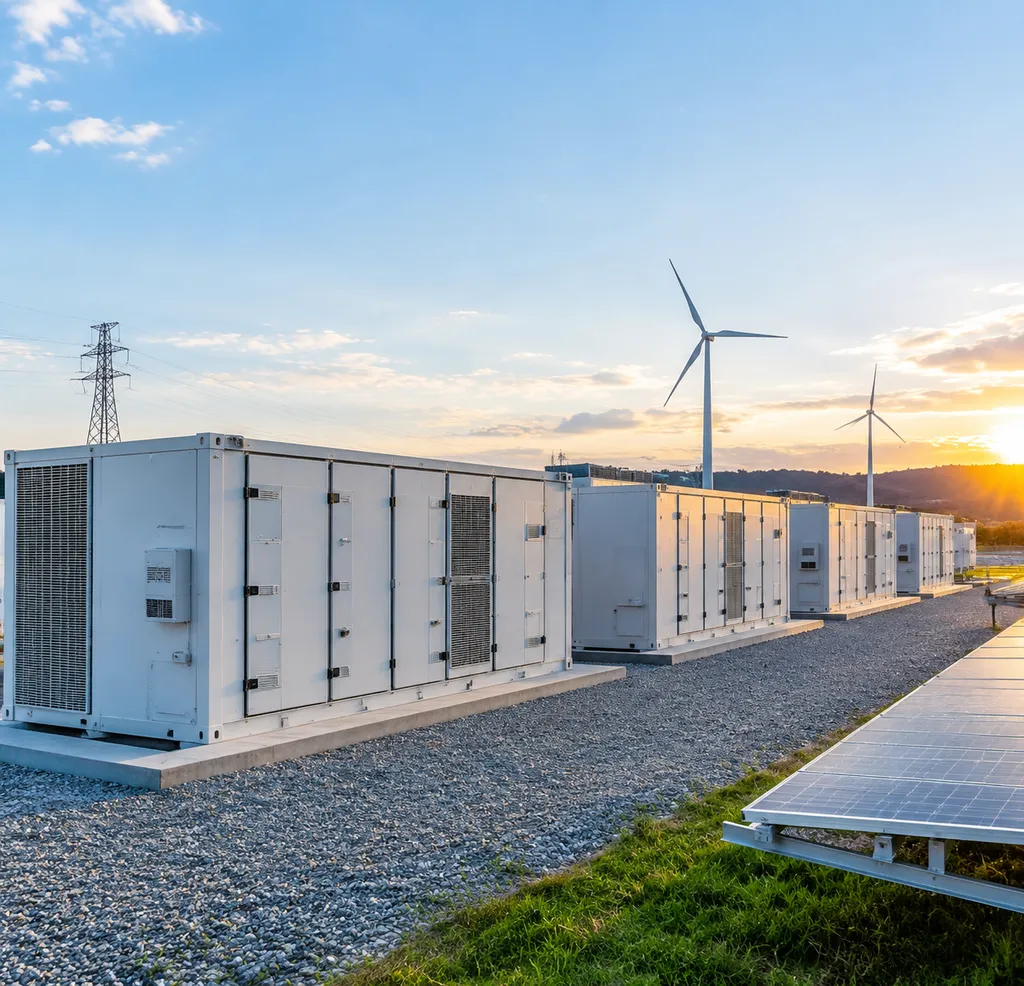
The Science of Dimensioning Mega-BESS
Application-Specific Design
The operational profile dictates the hardware requirements. We categorize our approach based on the primary value streams:
Peak Shaving: Prioritizing high power output for short durations to mitigate transmission costs.
Energy Arbitrage: Focusing on high energy density to capture price spreads across daily cycles.
Frequency Regulation: Requiring high-cycle durability and rapid response times to maintain grid stability.
Managing Renewable Intermittency
We employ Monte Carlo simulations to stress-test capacity against the stochastic nature of solar and wind generation. By modeling thousands of potential weather and demand scenarios, we identify the exact energy buffer needed to mitigate intermittency risks without over-provisioning infrastructure.
Balancing Performance for Bankability
The intersection of technical capacity and financial return relies on the fine-tuning of cell behavior. We optimize the relationship between:
C-Rate: Matching the discharge speed to the application’s throughput requirements.
Depth-of-Discharge (DoD): Limiting cycle depth to protect the chemistry, thereby extending the project's operational lifespan and internal rate of return.
| Metric | Impact on Bankability |
|---|---|
| High C-Rate | Enables rapid frequency response |
| Controlled DoD | Preserves state-of-health (SoH) |
| Scenario Modeling | Reduces capital expenditure (CAPEX) risk |
By integrating these variables into our utility-scale battery energy storage system designs, we deliver solutions that are not only technically robust but also economically defensible.
Grid Integration Architecture for Mega-BESS
Integrating mega-scale battery energy storage into the power grid requires a robust architecture capable of maintaining stability under varying load conditions. At the core of this integration is the Power Conversion System (PCS), which serves as the bridge between DC battery modules and the AC grid. A high-performance PCS is essential for providing critical services, including active power control, reactive power support, and black-start capabilities.
PCS Role and Inverter Technologies
We prioritize advanced advanced grid-forming inverter technology to ensure system resilience, particularly in weak grid environments. Choosing between inverter types is a strategic decision for the dimensioning and grid integration of mega battery energy storage system:
- Grid-Following Inverters: These rely on a stable external voltage source and track the phase of the grid, functioning primarily as current sources.
- Grid-Forming Inverters: These act as voltage sources, providing synthetic inertia and frequency support, which is vital for stabilizing grids with high renewable energy penetration.
For projects facing reliability challenges, analyzing the performance of a battery energy storage system in weak grids is necessary to determine the optimal control mode.
Compliance and Interconnection Standards
Successfully connecting mega-BESS projects requires strict adherence to regulatory requirements to ensure safe operation. We navigate complex frameworks to meet project milestones:
- IEEE 1547 Standards: Compliance with these requirements is non-negotiable for grid interconnection, covering voltage and frequency ride-through capabilities.
- Local Interconnection Rules: Every utility provider mandates specific technical parameters that define how a mega-BESS must react during faults or transient events.
- Grid Stability Analysis: Before final commissioning, we conduct thorough simulations to confirm that the PCS architecture meets all localized grid code requirements.
By aligning our design with these standards, we ensure that the mega-scale storage infrastructure delivers reliable frequency regulation and support without risking local grid stability.
Energy Management Systems (EMS) Optimization for Mega-BESS

Effective energy management system (EMS) architecture is the brain behind any successful utility-scale battery energy storage system. To ensure optimal performance, we focus on real-time response and precision dispatch strategies that balance immediate grid demands with long-term asset health. By integrating a robust factory energy management solution for real-time monitoring, we provide the visibility needed to adjust dispatch signals dynamically, ensuring that energy is exported or stored exactly when the market conditions require.
Key Strategies for Dispatch and SoC Management
Maximizing the ROI of a mega battery energy storage system relies heavily on sophisticated battery state-of-charge (SoC) optimization. We prioritize the following pillars in our EMS deployment:
- Real-time Dispatch Efficiency: Utilizing predictive algorithms to align charge/discharge cycles with pricing signals, minimizing auxiliary power consumption and maximizing round-trip efficiency.
- Dynamic SoC Balancing: Maintaining battery cells within an optimal range to prevent premature degradation, effectively extending the operational life of the storage fleet.
- Grid Response Latency: Implementing high-speed communication protocols that allow the system to meet sub-second frequency regulation requirements without compromising stability.
Security in Large-Scale Infrastructure
As these systems become critical nodes in the national grid, ensuring cybersecurity is non-negotiable. We treat the EMS as a hardened layer of the infrastructure, applying strict access controls, encrypted data transmission, and constant vulnerability monitoring. By isolating control networks from public internet access, we mitigate the risks associated with unauthorized remote intervention, securing your energy assets against evolving digital threats while maintaining seamless operational continuity.
Safety, Compliance, and Risk Mitigation for Mega-BESS
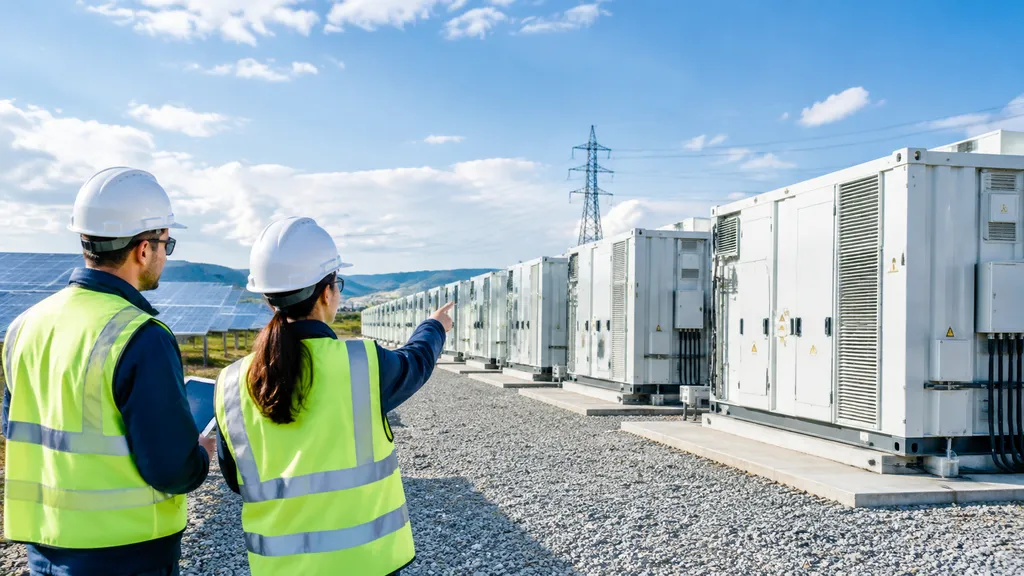
Navigating Safety Protocols: UL 9540 and 9540A
Compliance is not optional; it is the foundation of bankability. We ensure all systems are designed to meet UL 9540 certification for energy storage system safety and adhere to UL 9540A test methods for evaluating thermal runaway fire propagation. By integrating these BESS protection and safety requirements from the initial design phase, we ensure the infrastructure remains compliant with the most stringent local and international codes.
Fire Suppression and Thermal Management
Large-scale infrastructure demands robust defense mechanisms against internal hazards. Our approach to risk mitigation includes:
- Integrated Fire Suppression: Automated systems designed to detect early-stage gas emissions before thermal events escalate.
- Thermal Runaway Prevention: Implementing active monitoring and physical cell-to-cell barriers that contain potential hazards.
- Advanced Thermal Management: Utilizing climate-controlled, containerized architecture to maintain optimal operating temperatures for lithium iron phosphate battery system safety and cycle life.
| Safety Feature | Implementation Strategy |
|---|---|
| Thermal Control | Liquid cooling loops for uniform cell temperature distribution. |
| Gas Detection | Multi-sensor arrays for early warning of electrolyte leakage. |
| Ventilation | Pressure-relief systems designed to exhaust gases safely during extreme events. |
By prioritizing these engineering safeguards, we protect both the hardware investment and the surrounding environment, ensuring the long-term reliability of mega-scale battery energy storage systems.
FAQs on Mega-BESS Integration
When scaling energy infrastructure, developers often face critical questions regarding the dimensioning and grid integration of mega battery energy storage systems. Below are the core technical considerations for large-scale deployments.
| FAQ Question | Key Technical Insight |
|---|---|
| How is optimal capacity determined for GWh-scale projects? | We utilize techno-economic modeling to align utility-scale battery energy storage system assets with specific revenue streams like arbitrage and capacity markets. |
| What differentiates grid-following and grid-forming inverters? | Grid-following inverters rely on external frequency signals, while grid-forming technology acts as a voltage source to provide essential inertial response for grid stability. |
| How does sizing affect life-cycle costs? | Precise BESS sizing and dimensioning prevents premature cell degradation by ensuring the system operates within optimal depth-of-discharge parameters, directly reducing long-term O&M expenses. |
| Why is thermal management critical? | Effective cooling is the primary defense against thermal runaway, ensuring safety compliance and maintaining the consistency of battery state-of-charge (SoC) across high-density container modules. |
Summary of Integration Priorities
- System Bankability: Always conduct simulation-based planning before finalizing infrastructure procurement.
- Standards Compliance: Ensure all hardware meets rigorous UL 9540/9540A safety protocols.
- Operational Intelligence: Integrate a robust energy management system (EMS) to facilitate real-time dispatch and frequency regulation.