
Key Technical Performance Metrics
Percenec Energy delivers optimized physical and electrical BESS architecture engineered for commercial, industrial, and utility-scale energy storage systems.
Core Physical Parameters
Physical parameters dictate structural safety, footprint efficiency, thermal management, and long-term mechanical protection.
- Power & Energy Density High-density modular rack configurations optimize site spatial layout and minimize field installation footprint.
- Ingress Protection & Enclosure Rating IP54 / IP55 and NEMA 3R outdoor enclosures safeguard internal modules against dust, moisture, and extreme climates.
- Thermal Operating Range Precision liquid-cooled thermal management maintains core cell temperature variance ≤ 3°C across ambient extremes.
Core Electrical Parameters
Electrical metrics govern power conversion efficiency, dynamic response, and seamless grid interconnection capabilities.
- BESS System Efficiency System-level round-trip efficiency (RTE) ≥ 88% reduces auxiliary power consumption and heat generation.
- High-Voltage DC Architecture 1000V–1500V DC bus topology simplifies integration with commercial and utility-scale power conversion systems (PCS).
- Cycle Life & Dynamic Response Sub-20ms response speed enables instant frequency regulation, rapid backup power, and cycle life ≥ 6,000 cycles.
Engineered for Maximum Efficiency and Extended Lifecycle Reliability
Percenec Energy hardware integrates active cell balancing and advanced thermal protection to ensure sustained power output, high system efficiency, and long lifecycle stability over thousands of charge-discharge cycles.

Standard Performance Specification Matrix
A technical reference of core electrical, physical, and thermal parameters across Percenec Energy BESS platforms.
| System Metric | Physical Specification | Electrical Specification | Operational Impact |
|---|---|---|---|
| Power & Energy Density | High-Density Modular Rack Layout | 3.2V LFP Cell Topology | Maximizes usable energy capacity while minimizing total site footprint requirements. |
| Thermal Performance | Integrated Liquid Cooling Loop | Smart Temperature Control & BMS | Maintains uniform cell temperatures (≤ 3°C variance) to mitigate thermal runaway risk. |
| BESS System Efficiency | Low-Resistance Copper Busbars | ≥ 88% Round-Trip Efficiency (RTE) | Minimizes parasitic HVAC loads and maximizes net energy discharge revenues. |
| Cycle Life & Longevity | C4/C5 Anti-Corrosion Enclosure Frame | ≥ 6,000 Cycles @ 80% DOD | Delivers extended asset operational lifespan and improved long-term project ROI. |
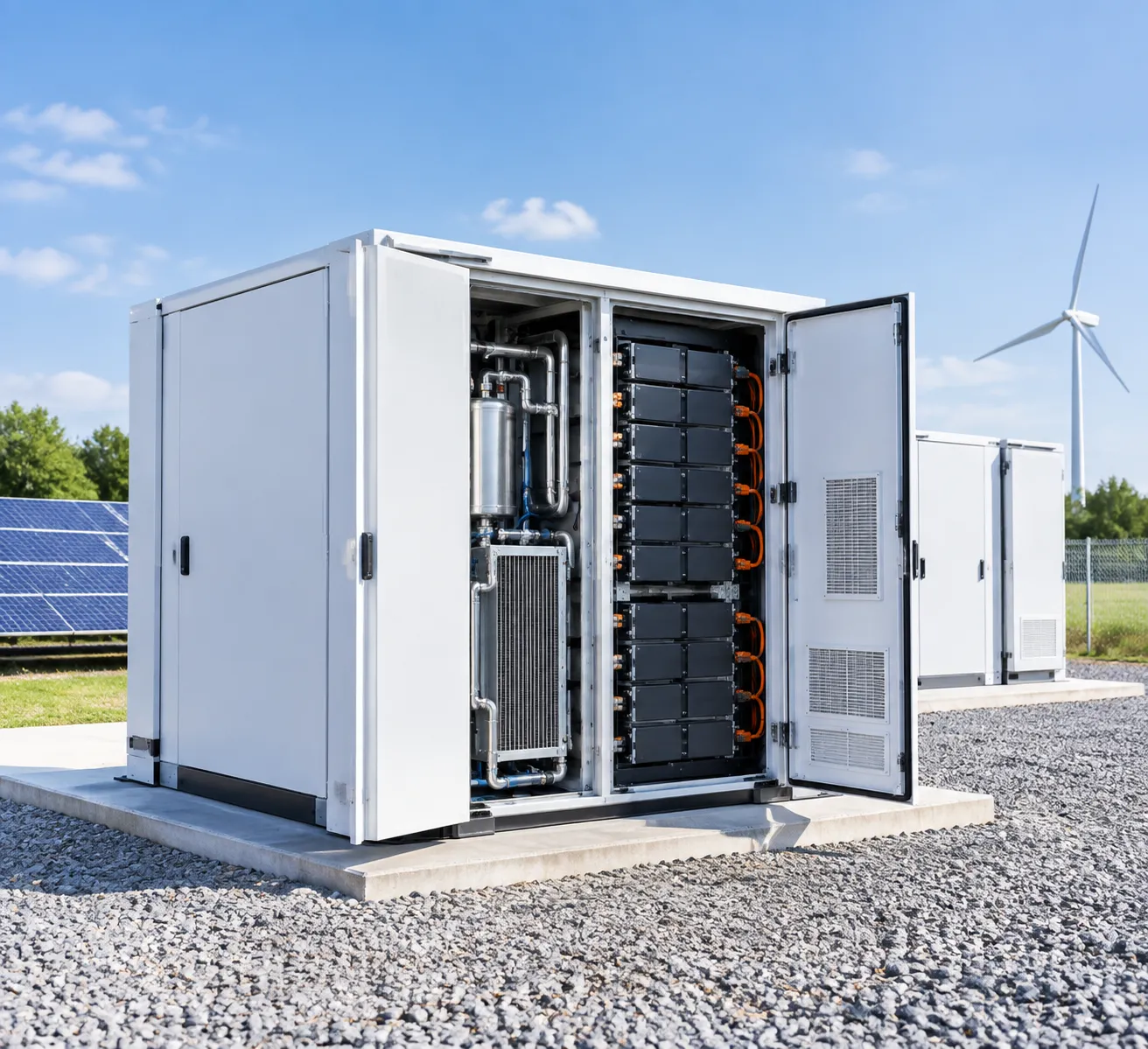
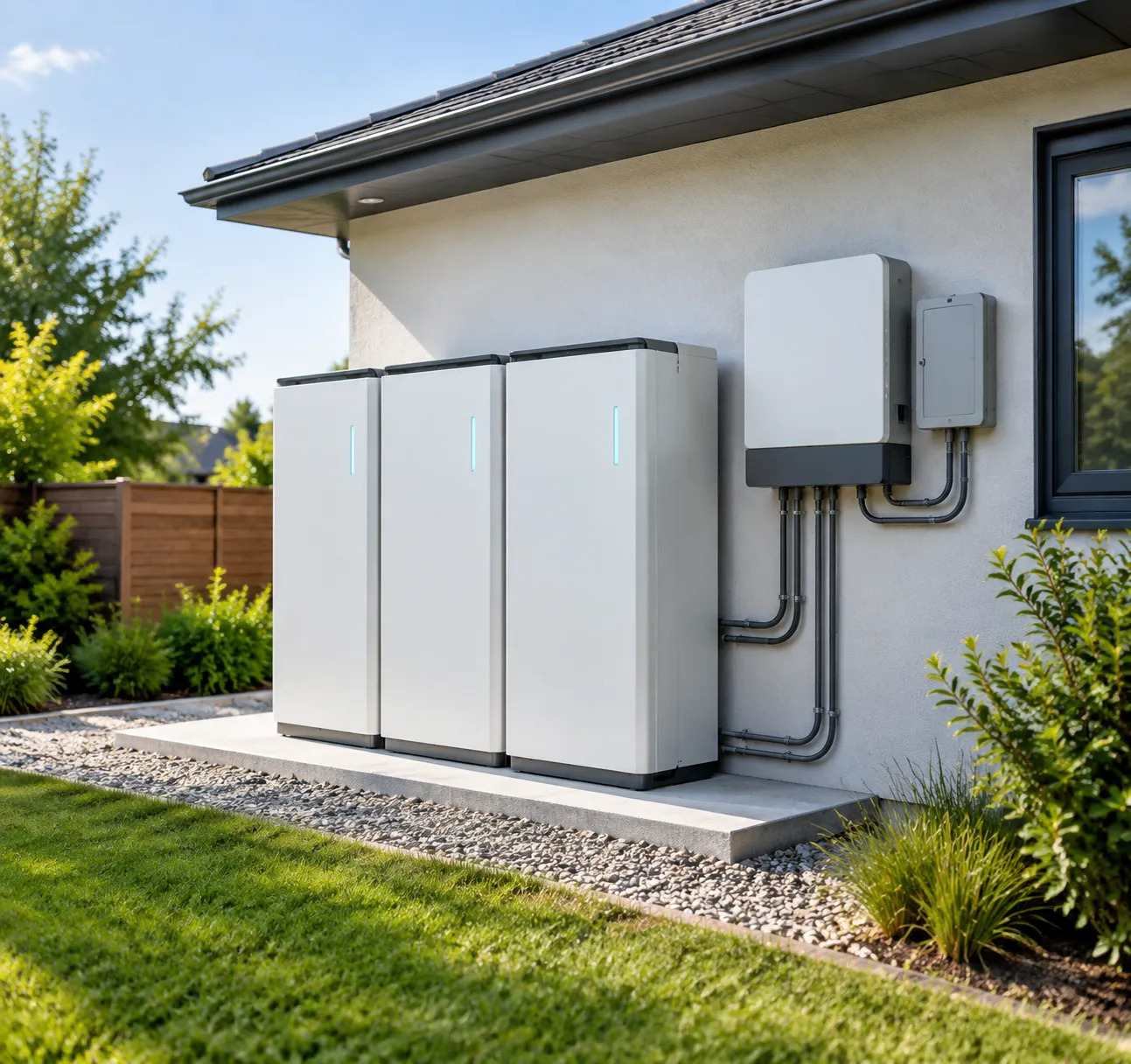

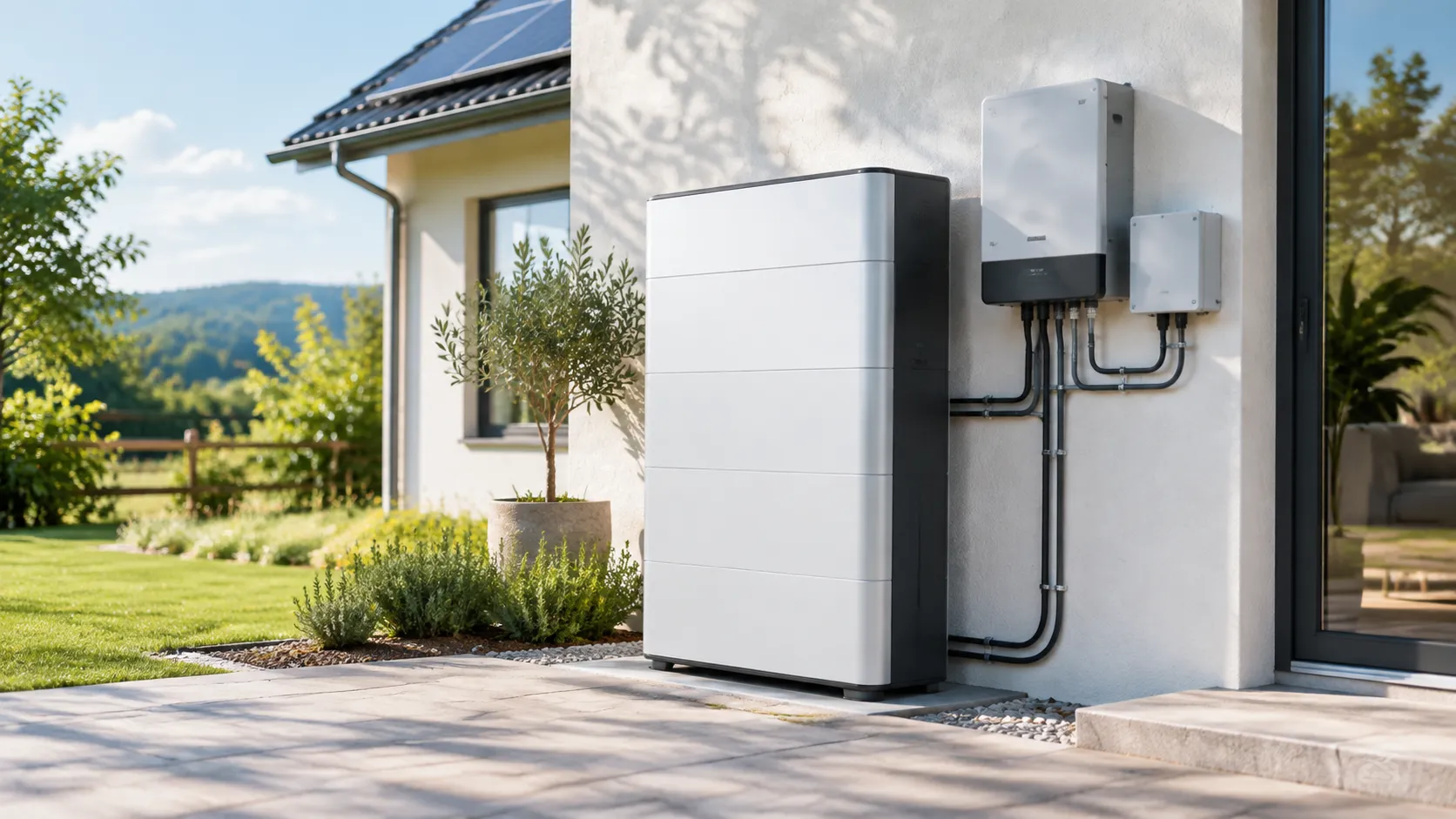

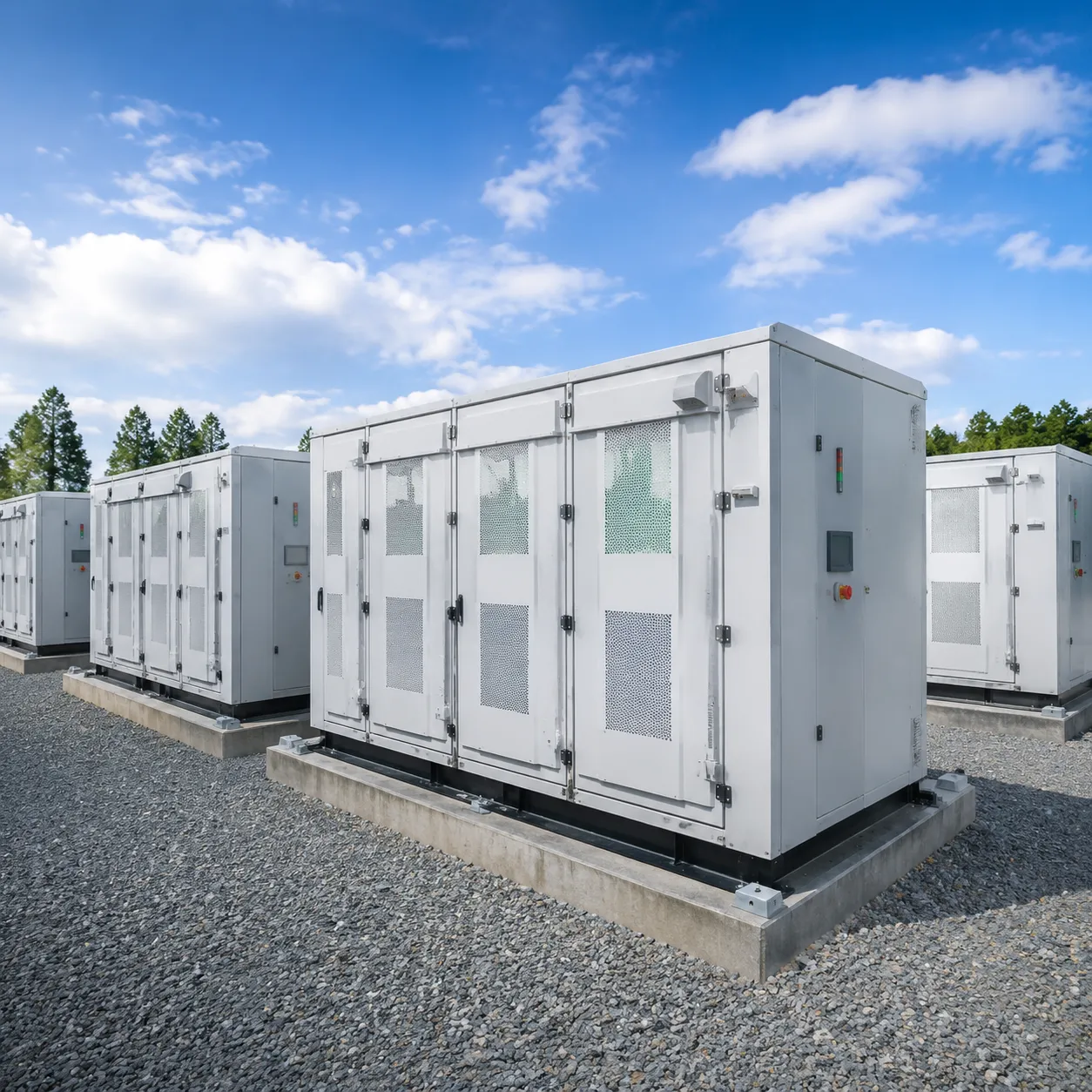
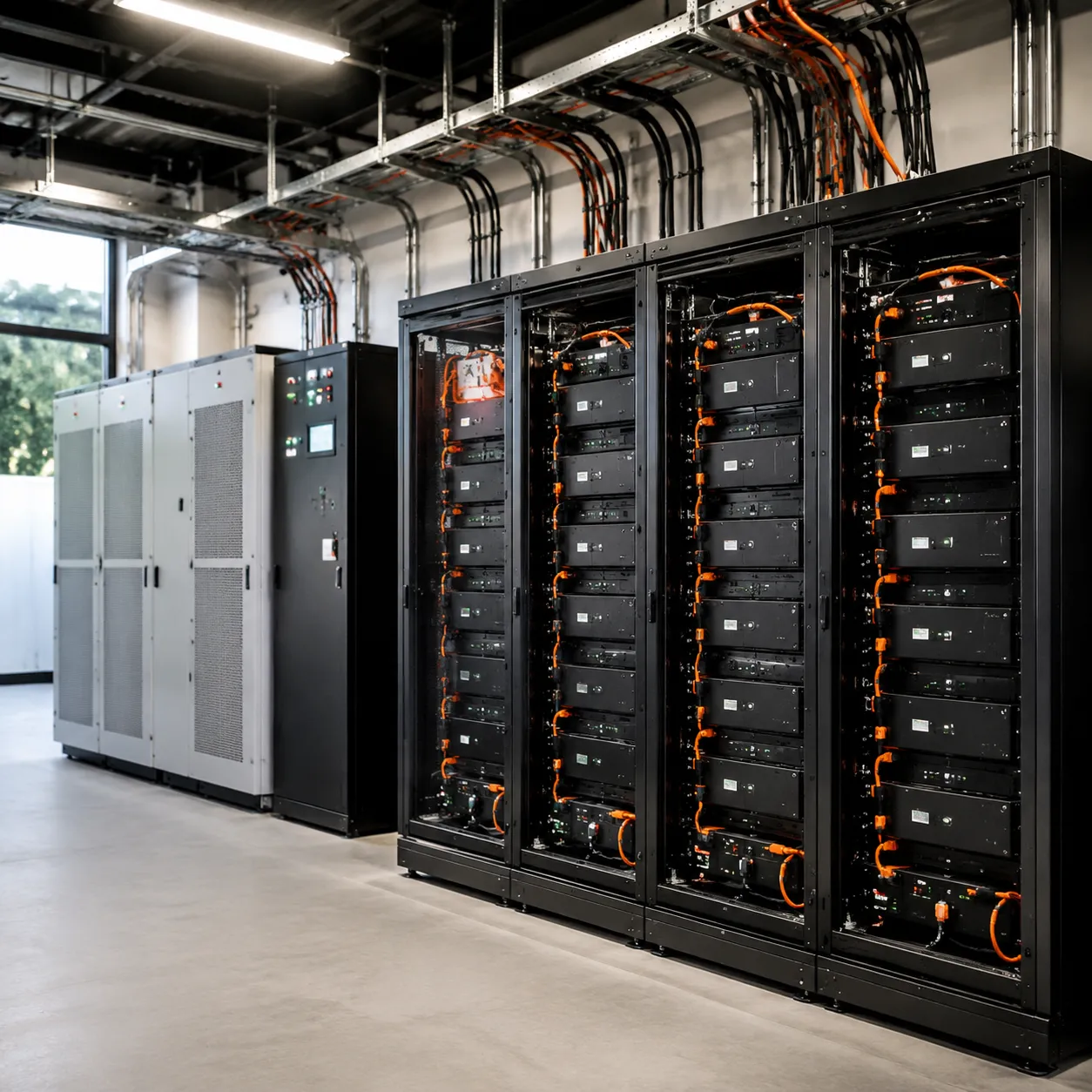
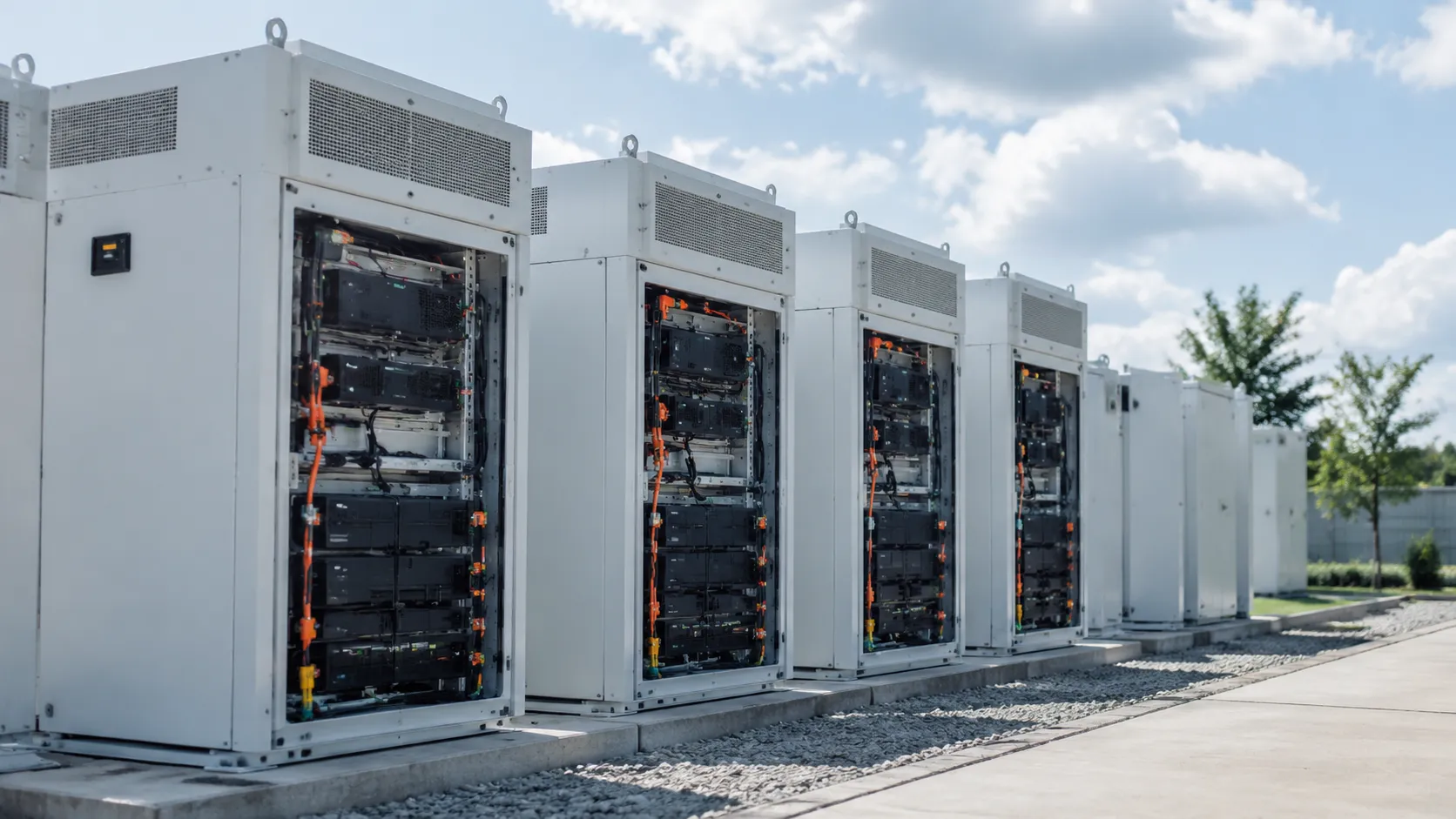
Four-Tier Integrated Architecture for Battery Energy Storage Systems
Percenec Energy delivers an enterprise-class framework for commercial and industrial battery energy storage systems. By unifying high-safety electrochemical hardware, bi-directional power electronics, intelligent BMS and EMS integration, and active thermal management, our multi-tier BESS core architecture ensures maximum reliability and round-trip efficiency.
Tier 1: High-Safety LFP Battery Pack Hardware
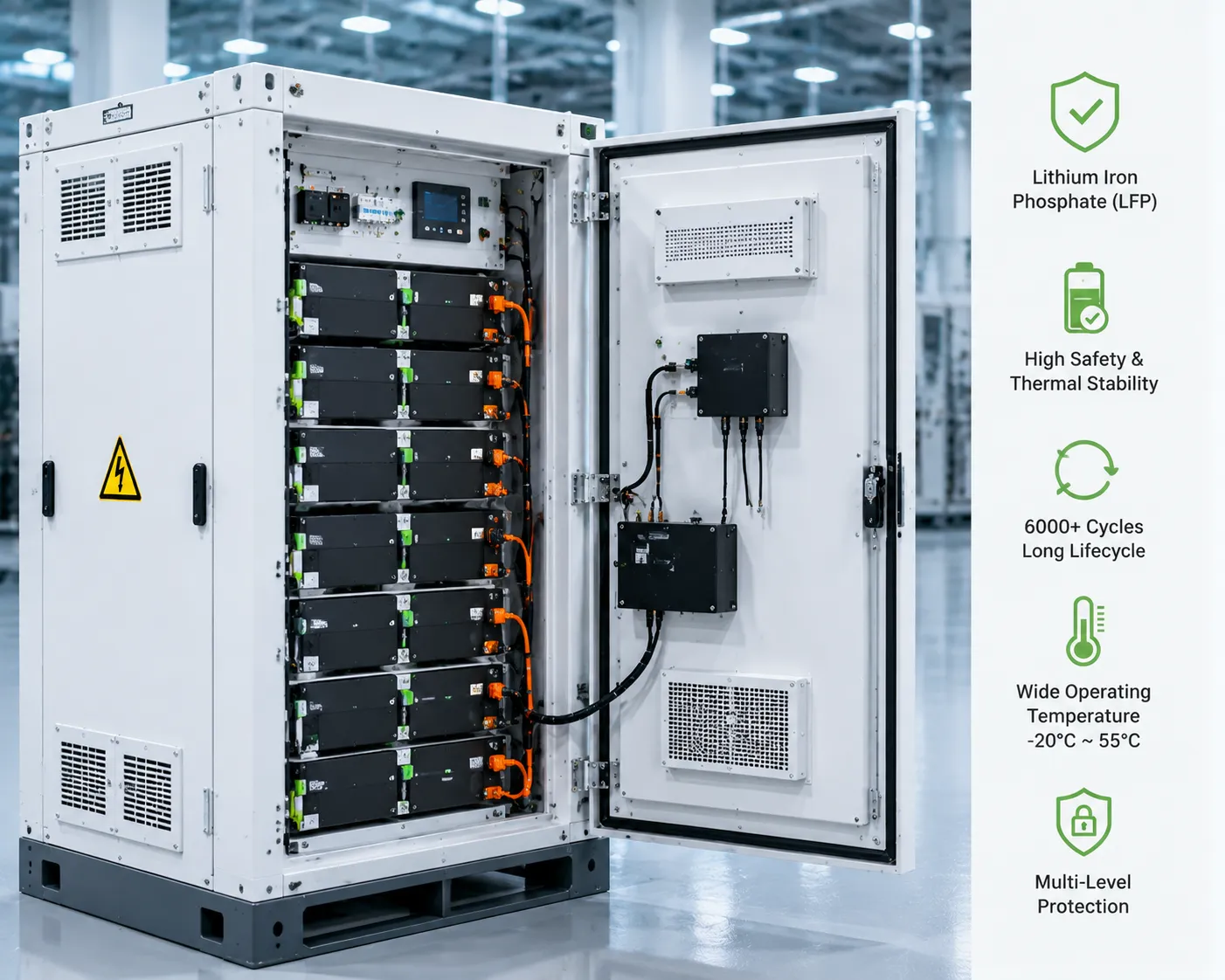
At the core of Percenec Energy’s modular BESS core architecture are tier-one Lithium Iron Phosphate (LFP) cells. Engineered for high power density and uncompromising thermal safety, each battery pack incorporates aerospace-grade insulation, anti-propagation barriers, and direct-contact liquid cooling plates.
- ✓ High-Safety LFP Battery Storage: Premium LFP chemistry provides exceptional chemical stability with zero self-oxygen release under severe thermal stress.
- ✓ Extended Operational Lifespan: Delivers ≥6,000 deep discharge cycles at 80% Depth of Discharge (DOD) under optimized thermal conditions.
- ✓ Modular Pack Architecture: Standardized pull-out tray designs allow effortless scalability, simplified rack balancing, and rapid field serviceability.

System Integration & Long-Term Asset Reliability
Modern commercial and industrial BESS deployments require seamless harmony across electrochemistry, power conversion electronics, and digital control software. Disconnected, multi-vendor components often result in parasitic energy losses, communication latency, and unmitigated cell degradation.
Percenec Energy eliminates integration friction by delivering tailored solutions for custom ESS integration and an end-to-end BESS core architecture. By standardizing high-speed CAN and Ethernet backbones between the BMS, PCS, and liquid cooling chillers, our architectures optimize energy throughput, maximize system uptime, and strictly adhere to global grid code standards.
Unified BESS hardware-software integration eliminates cross-vendor communication delays, reducing field commissioning time by up to 40% while enhancing multi-layer system safety.
Autonomous Software Optimization & Thermal Dynamics
Effective thermal management operates hand-in-hand with intelligent BMS and EMS integration. Cold-plate liquid loops dynamically adjust flow rates and coolant temperatures based on real-time discharge rates, ambient climate forecasts, and predictive thermal models.
Concurrently, cloud-connected EMS algorithms process historical load curves, time-of-use tariff structures, and solar/wind generation data. This allows commercial facilities and utility operators to execute automated peak shaving and arbitrage strategies, driving maximum financial returns over the system's operational lifecycle.
Four-Tier BESS Architectural Matrix
A comprehensive overview of component physical distribution, control functionality, and engineering benchmarks across the complete BESS core architecture.
| System Tier | Primary Components | Control & Integration Responsibilities | Key Engineering Benchmark |
|---|---|---|---|
| Tier 1: Battery Pack | High-density LFP prismatic cells, liquid cold plates, busbars, heavy-duty module enclosure | Electrochemistry containment, cell stacking, mechanical isolation, passive thermal insulation | ≥6,000 Cycles @ 80% DOD |
| Tier 2: BMS & EMS Integration | BMS master/slave boards, edge gateway controller, industrial IPC, cloud EMS platform | Cell SOC/SOH tracking, active cell balancing, automated dispatch, SCADA communication | Real-Time Telemetry (<10ms) |
| Tier 3: PCS Inverter | Bi-directional IGBT/SiC modules, AC/DC filters, isolation transformer, circuit protection | Bi-directional AC/DC power conversion, reactive power support, grid-forming control | ≥88% Round-Trip Efficiency |
| Tier 4: Thermal & Safety | Liquid chillers, coolant distribution manifold, gas sensors, aerosol/gas fire suppression | Thermal management, off-gas detection, multi-stage fire containment, emergency shutoff | ≤3°C Cell Temp Variance |
Deployment Configurations & Electrical Topologies
Percenec Energy engineers high-reliability modular battery storage architectures optimized for commercial, industrial, and utility-scale integration. Explore our versatile grid-connected BESS, off-grid energy storage, and hybrid microgrid topologies developed to maximize asset uptime and reduce multi-year operational overhead.
Grid-Connected BESS
Synchronizes seamlessly with localized utility networks to perform automated peak shaving, dynamic load shifting, and lucrative grid ancillary services.
- Automated peak management synchronized with complex time-of-use (TOU) tariffs.
- High-efficiency bidirectional power conversion matching strict utility requirements.
- Advanced anti-islanding safety control and rapid frequency regulation features.
Off-Grid Energy Storage
Delivers completely autonomous power management for remote infrastructure, operating independently from standard public utility grids.
- Dependable black-start capable inverters for localized network initialization.
- Intelligent dispatch control interacting smoothly with backup diesel or gas generators.
- Heavy-duty LFP chemistry configured for multi-day runtime stability.
Solar Storage Hybrid Microgrids
Integrates concurrent utility connections, photovoltaic generation, and modular BESS platforms for dynamic energy orchestration.
- Sub-20 millisecond transfer speeds protecting operations from utility disruptions.
- Versatile AC-coupled or DC-coupled integration modes to maximize round-trip efficiency.
- Dual-mode operation featuring smart grid-forming and grid-following intelligence.
Intelligent EMS Coordination & Grid Interaction
Percenec Energy layouts incorporate comprehensive multi-level BMS and EMS software nodes alongside Tier-1 power conversion units. Whether managing full grid injection patterns or stabilizing sudden off-grid load fluctuations, our integration focuses on premium power safety, targeted thermal management, and long-term cycle life validation.

Electrical Topology Comparison Matrix
Evaluate key technical and structural parameters to choose the ideal system setup based on your localized power metrics.
| Topology Type | Grid Dependency | Outage Protection | Battery Integration | Primary Value Driver |
|---|---|---|---|---|
| Grid-Connected BESS | 100% Dependent on Utility Signal | Standard Anti-Islanding Protection Shutdown | Flexible AC or DC Coupling Layouts | Optimal Demand Charge Reductions & TOU Savings |
| Off-Grid Energy Storage | 0% Independent Autonomous Flow | Continuous 24/7 Islanded Power Supply | Mandatory Dedicated LFP Battery Banks | Remote Electrification & Diesel Fuel Displacement |
| Solar Storage Hybrid | Flexible Grid-Interactive Functionality | Sub-20ms Seamless Uninterrupted Backup | Fully Integrated Modular Storage Nodes | Maximum Enterprise Resilience & Revenue Stacking |
Key Engineering Capabilities
Every Percenec Energy installation incorporates precision component calculations, premium hardware safety, and rigorous utility validation.
BESS Safety Standards
Strict engineering alignment with international certifications including UL1973, UL9540A, and IEC62619 protocols.
Grid Code Compliance
Full compliance with global interconnection parameters including IEEE 1547 and local utility safety frameworks.
SCADA Integration
Seamless operational telemetry via industry-standard Modbus TCP, CAN bus, and IEC communication profiles.
Modular Battery Storage
Scalable cabinet layouts designed for efficient capacity planning and effortless onsite physical footprint expansion.
Specify the Optimal Electrical Topology for Your Application
Our senior technical teams provide end-to-end load profile analysis, custom single-line diagram generation, and grid interconnection mapping.
Commercial & Industrial BESS Operational Modes and Economic Dispatch
Percenec Energy manufactures commercial and industrial battery energy storage systems (BESS) designed to solve complex power grid challenges and deliver rapid project payback. Powered by our proprietary Energy Management System (EMS) and multi-mode algorithmic control, Percenec BESS platforms dynamically switch between automated dispatch strategies—maximizing project ROI across grid-connected, microgrid, and facility-level deployments.
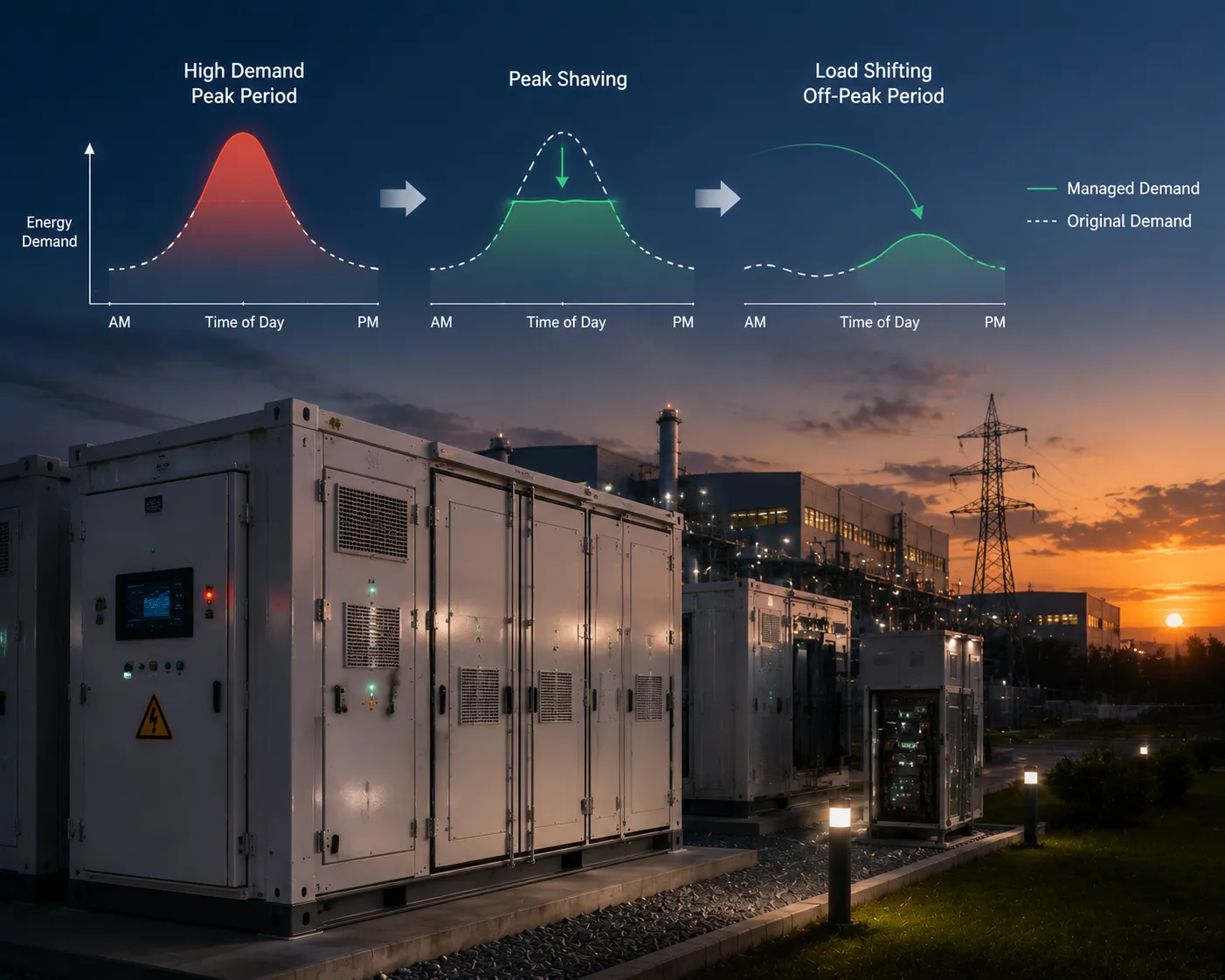
Peak Shaving and Load Shifting for Demand Management
Commercial and industrial facilities suffer from escalating peak demand tariffs and volatile time-of-use (TOU) electricity pricing. Percenec BESS platforms execute automated peak shaving by discharging stored energy when facility power draw approaches pre-set demand thresholds. Simultaneously, our load shifting algorithms schedule charging during low-cost off-peak hours and discharge during peak tariff windows, converting energy price spreads into sustainable operational savings.
- • Reduce monthly capacity and demand charges by capping facility peak load spikes in real time
- • Maximize time-of-use (TOU) arbitrage returns through automated, schedule-driven battery charging and discharging
- • Relieve local transformer congestion and defer costly utility grid interconnection upgrades
Renewable Integration and Solar-Storage Power Smoothing
Intermittent solar and wind power generation can destabilize local power grids and trigger severe curtailment losses. Percenec battery energy storage systems provide dynamic renewable integration by absorbing excess clean energy generation and smoothing high-frequency power ramp rates. Equipping utility-scale PV and C&I solar arrays with hybrid BESS topologies ensures stable grid injection, compliance with strict utility ramp-rate limits, and zero wasted clean power.
- • Mitigate PV output volatility and voltage flicker with sub-second active power ramp-rate control
- • Eliminate renewable curtailment by storing surplus solar and wind power for peak-demand dispatch
- • Provide dynamic reactive power support and frequency regulation (FR) to meet stringent grid code requirements

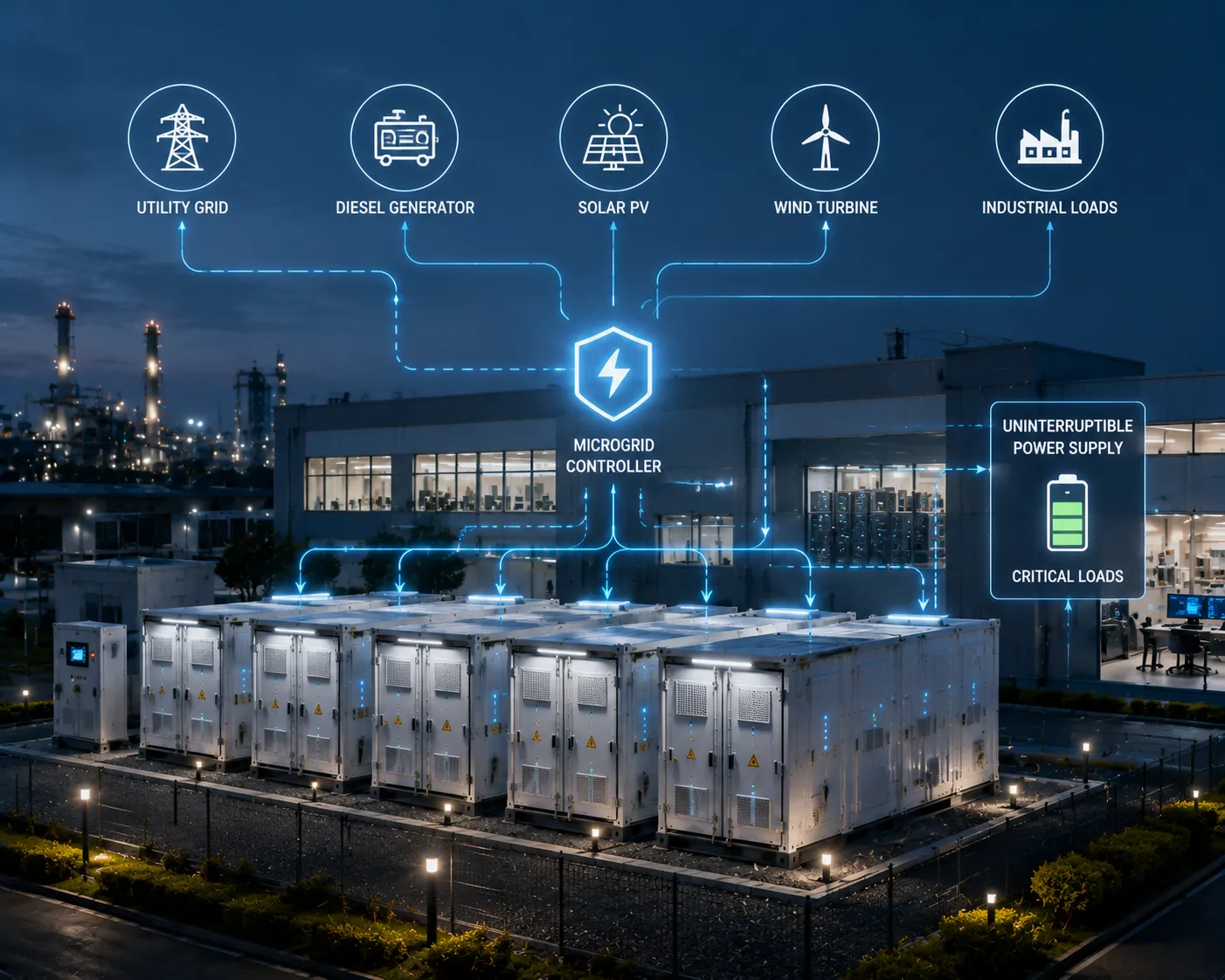
Backup Power Solutions and Uninterruptible Microgrid Resilience
Grid outages, voltage sags, and power interruptions cause severe financial loss and operational downtime for critical manufacturing, data centers, and healthcare facilities. Percenec BESS solutions act as robust backup power solutions with seamless, millisecond-level off-grid transfer (UPS functionality). In microgrid configurations, our grid-forming inverters establish independent voltage and frequency references, allowing facilities to run continuously during extended blackout events.
- • Deliver millisecond-level, seamless transfer to islanded mode to protect sensitive C&I loads during utility blackouts
- • Replace or hybridize with legacy diesel generators to cut fuel consumption, noise, and carbon emissions
- • Enable autonomous black-start capabilities and multi-source microgrid control in remote and weak-grid regions
BESS Operational Dispatch Modes & Economic Value Matrix
To assist project developers, EPCs, and energy engineers in evaluating system performance, the matrix below details the primary operational modes, value drivers, and dispatch metrics executed by Percenec Energy BESS controllers.
| Operational Mode | Primary Objective | Economic & Operational Value Vector | Target Response Time |
|---|---|---|---|
| Peak Shaving | Cap peak demand thresholds | Lowers monthly peak demand charges & utility fees | < 1 second |
| Load Shifting (TOU Arbitrage) | Arbitrage electricity price differentials | Captures peak vs. off-peak tariff rate spreads | Scheduled dispatch |
| Renewable Integration | Smooth generation & mitigate curtailment | Eliminates curtailment losses & ramp-rate penalties | < 100 milliseconds |
| Backup Power Solutions | Maintain continuous power during outages | Prevents costly facility downtime & equipment damage | < 20 milliseconds |
Note: Specific dispatch response times and economic yields vary based on system sizing, inverter topology (grid-following vs. grid-forming), and local utility grid interconnection codes.
BESS Sizing Guide and System Selection Decision Matrix
Selecting the optimal commercial or utility Battery Energy Storage System (BESS) demands a rigorous evaluation of operational duty cycles, interval load profiles, power-to-energy ratios, and long-term capacity degradation. Percenec Energy provides a structured, engineering-led capacity planning framework to help project managers, EPCs, and facility developers evaluate energy storage options, optimize capital expenditure, and accelerate deployment schedules.
Step 1: Load Profile & Duty Cycle Mapping
Evaluate facility demand patterns using 15-minute interval data to establish target revenue stacks and operational priorities. Determine whether the BESS will primarily deliver peak shaving, demand charge mitigation, solar self-consumption, or critical backup resilience.
- • Load Curve Analysis: Analyze peak demand spikes, base loads, and seasonal variance.
- • Duty Cycle Frequency: Define daily charge/discharge limits and C-rate demands.
- • Backup Mandates: Quantify essential load runtime requirements during outage events.
Step 2: C-Rate & Power-to-Energy Optimization
Align operational duration with the appropriate electrochemical C-rate. System selection spans high-power short-duration fast response assets to four-hour long-duration energy storage platforms engineered for complex tariff structures.
- • 0.25C Rating (4-Hour): Optimized for long-duration energy shift and peak shaving.
- • 0.5C Rating (2-Hour): Balanced profile for commercial energy management.
- • 1C Rating (1-Hour): Engineered for high-power response and fast frequency regulation.
Step 3: Enclosure Form Factor & Coupling Topology
Determine the optimal physical enclosure architecture based on site footprint limits, thermal constraints, future expansion requirements, and grid interconnection schemes. Choose modular cabinet units or scalable ISO container blocks.
- • Modular Cabinets: Space-efficient architecture ideal for C&I site retrofits.
- • Containerized BESS: Turnkey, high-density blocks for multi-megawatt projects.
- • AC vs. DC Coupling: Select optimal integration topology for co-located solar PV.
Key Technical Parameters for BESS System Dimensioning
Accurate capacity planning for Battery Energy Storage Systems extends far beyond nominal battery energy ratings. Electrical engineers and system designers must account for initial electrochemical degradation curves, depth-of-discharge (DOD) limits, internal balance-of-plant (BOP) power consumption, and total round-trip efficiency (RTE) losses across the power conversion system (PCS) and transformer stages.
Percenec Energy integrates multi-variable performance modeling into every project sizing assessment. By factoring in local ambient temperature extremes, peak surge currents, thermal management parasitic draws, and end-of-life (EOL) capacity retention goals, our engineering team ensures your BESS maintains nominal contracted power output across its full 15-year lifecycle. Explore our past projects to see these capacity planning principles applied in the field.
Capacity Planning Engineering Tip
Always dimension usable BESS capacity based on End-of-Life (EOL) target energy retention rather than Beginning-of-Life (BOL) nominal ratings. Oversizing or factoring in augmentation schedules guarantees your asset continues meeting contractual capacity commitments through year ten and beyond.
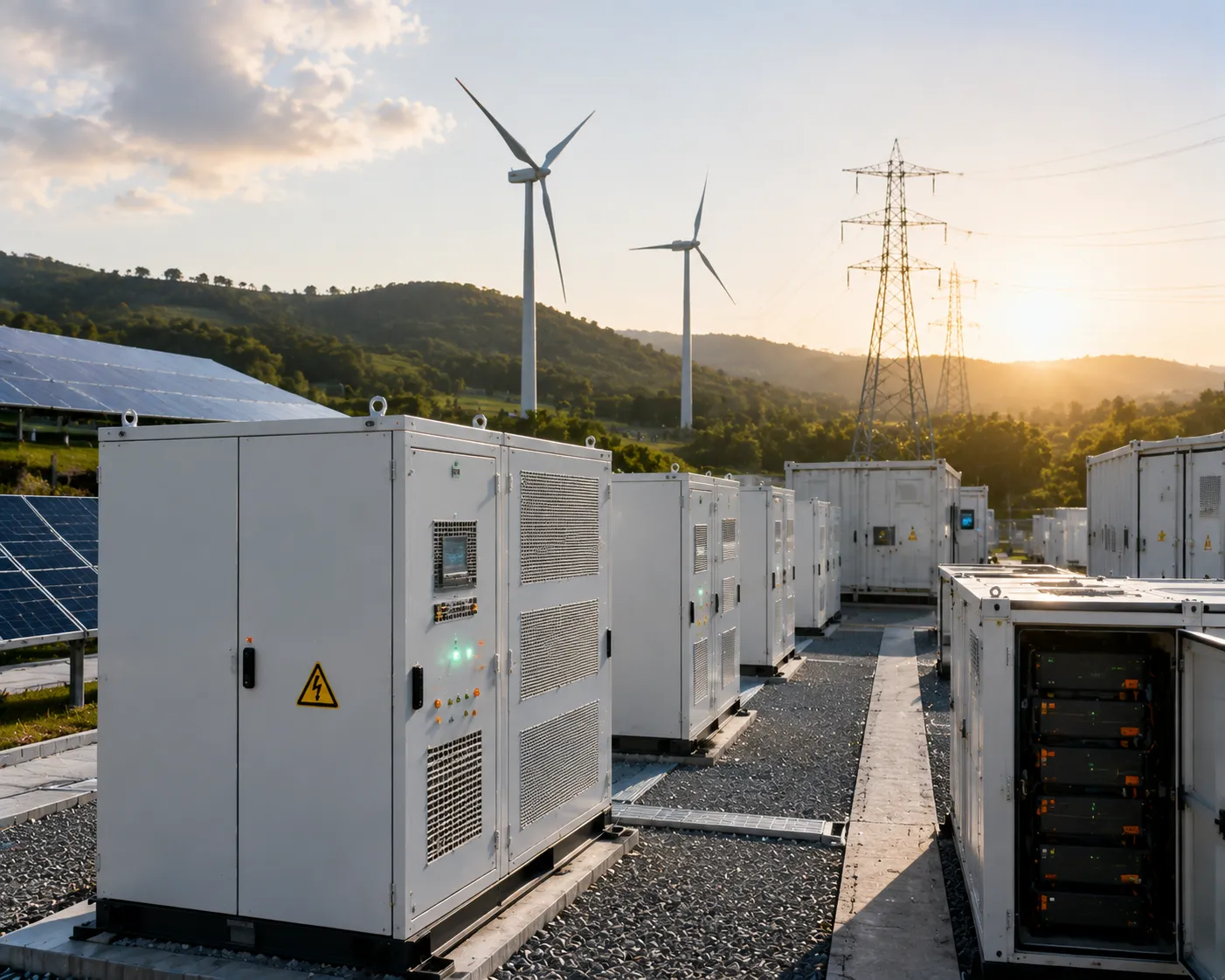
BESS Form Factor & Selection Matrix
Review core technical parameters and operational characteristics between compact C&I outdoor battery cabinets and large-scale containerized energy storage systems to identify the right system configuration for your facility.
| System Parameter | Commercial Industrial Energy Storage Systems | Containerized Energy Storage Systems |
|---|---|---|
| Power Capacity Range | 50 kW to 500 kW per cabinet block | 1 MW to 5 MW per container block |
| Energy Storage Capacity | 100 kWh to 1 MWh scalable outdoor configuration | 2 MWh to 10 MWh ISO utility-scale blocks |
| Discharge Duration Profiles | 0.5C to 1C (1-hour to 2-hour duration) | 0.25C to 0.5C (2-hour to 4-hour duration) |
| Thermal Management Strategy | Smart liquid cooling or precision air cooling options | Integrated high-efficiency liquid cooling loops |
| Physical Footprint & Flexibility | Ultra-compact footprint; flexible indoor or outdoor siting | Standardized 20ft or 40ft ISO container footprint |
| Installation & Deployment | 3 to 5 days factory pre-tested turnkey installation | 1 to 2 weeks multi-unit site integration & commissioning |
| Target Application Scenarios | Commercial factories, industrial parks, EV fast charging, microgrids | Front-of-the-meter storage, solar smoothing, IPPs, grid support |
Custom BESS Sizing & System Design Assessment
Percenec Energy provides comprehensive capacity planning, Single-Line Diagram (SLD) evaluation, and customized financial modeling for your energy storage project. Collaborate with our application engineers to determine exact system sizing and select the ideal BESS architecture.
BESS Safety Standards & Global Grid Code Compliance
Percenec Energy delivers fully certified battery energy storage systems engineered to fulfill international safety mandates, rigorous fire safety codes, and rapid utility grid interconnection requirements.
Pre-Certified Architecture for Fast-Track Project Permitting
Streamline utility approvals and local Authority Having Jurisdiction (AHJ) permitting. Percenec Energy BESS platforms undergo rigorous third-party testing across electrochemical safety, structural containment, and grid interaction parameters to ensure seamless project execution.
UL 1973 & UL 9540A
Cell, pack, and system-level electrical safety certification with full-scale UL 9540A thermal runaway fire propagation evaluation.
IEC 62619 & IEC 62933
International electrochemistry safety and operational testing for commercial and industrial energy storage deployments.
IEEE 1547 & IEEE 2030
North American grid interconnection standards defining DER voltage control, fault ride-through, and SCADA interoperability.
CE & EN 50549-1/-2
European conformity and grid code standards ensuring electromagnetic compatibility and stable utility distribution connection.
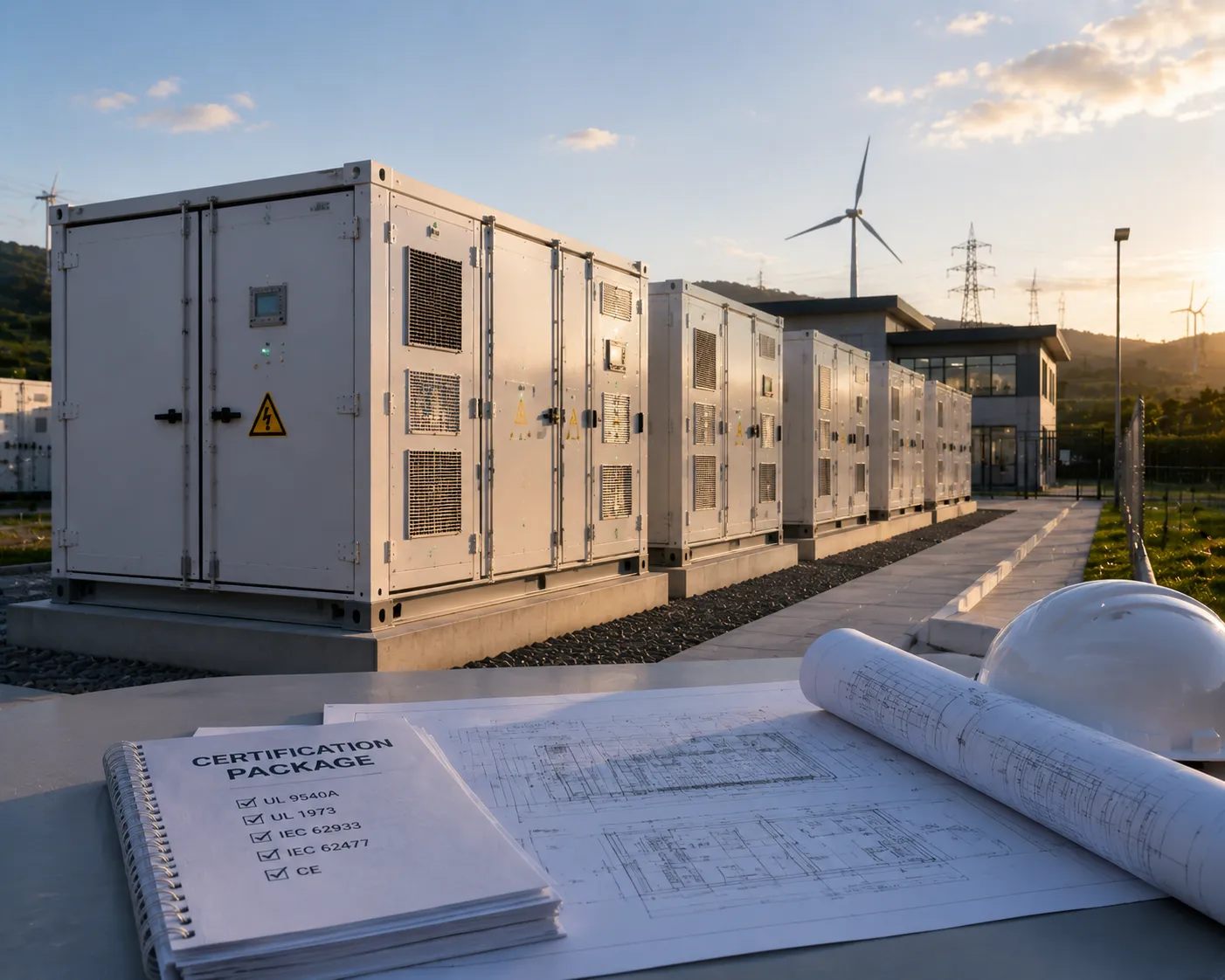
Accredited Laboratory Validation
Tested and verified by globally recognized certification bodies, including TÜV Rheinland, Intertek, and CSA Group.
Regional Grid Code & Interconnection Matrix
Our BESS architecture natively fulfills local utility requirement sets, helping project developers reduce interconnection risk and expedite commissioning.
| Target Region | Core Standards / Codes | Key Functional Capabilities | Compliance Level |
|---|---|---|---|
| North America | IEEE 1547-2018 / CA Rule 21 / HECO | Autonomous volt/VAR and frequency-watt response, fault ride-through, and secure Modbus/DNP3 protocols. | Certified |
| Europe & UK | EN 50549-1/-2 / VDE-AR-N 4110 / G99 | Dynamic frequency containment, active power curtailment, and continuous reactive power compensation. | Certified |
| Asia-Pacific | AS/NZS 4777.2 / JIS C 8715-2 | Export limitation control, rapid anti-islanding protection, and automated demand response (DRM) support. | Certified |
| Global Transport | UN 38.3 / Hazmat Class 9 | Structural vibration, thermal shock, mechanical impact, and overcharge safety validation for global shipping. | Certified |
Accelerate Your Interconnection & Permitting Timeline
Percenec Energy provides full technical documentation packages, UL 9540A summary reports, and compliance certificates for your BESS project.
How does Percenec BESS integrate with third-party SCADA and EMS platforms?
Percenec Energy BESS architectures utilize open-protocol industrial automation controllers engineered for zero-latency interoperability with third-party Energy Management Systems (EMS), Supervisory Control and Data Acquisition (SCADA) networks, and Distributed Control Systems (DCS).
Our system controllers feature comprehensive physical and software interfaces to ensure high-speed telemetry monitoring and dynamic power dispatch response:
- Modbus TCP / Modbus RTU: Standardized register mapping for sub-second monitoring of cell voltages, rack temperatures, State of Charge (SoC), and State of Health (SoH).
- IEC 60870-5-104 and DNP3: Utility-grade telemetry protocols for direct substation automation and remote terminal unit (RTU) grid interfacing.
- CANbus 2.0B: High-speed, deterministic internal communication linking battery management system (BMS) racks directly to power conversion system (PCS) inverters.
- RESTful API and MQTT: Encrypted cloud-based data streaming for enterprise asset performance monitoring and predictive maintenance analytics.
Custom register mapping, protocol conversion, and Hardware-in-the-Loop (HIL) simulation testing are completed prior to shipment to ensure seamless plug-and-play SCADA integration on site.
How does the thermal management system handle extreme ambient temperatures?
Thermal consistency directly impacts battery cycle life, round-trip efficiency (RTE), and system safety. Percenec Energy offers both smart liquid-cooled enclosures and forced-air thermal systems designed to operate continuously across ambient temperatures from -30°C (-22°F) to 55°C (131°F).
Our flagship liquid-cooling architecture circulates non-conductive glycol coolant through micro-channel cold plates underneath every battery module, delivering clear operational performance advantages:
- Tight Cell Temperature Uniformity: Maintains system-wide cell temperature variance within ≤ 3°C, eliminating localized hotspots and uneven cell aging.
- Lower Auxiliary Energy Consumption: Consumes up to 30% less parasitic HVAC power compared to legacy air-cooled cabinet designs.
- Sub-Zero Pre-Heating: Integrated PTC thermal heating loops warm battery packs prior to charging in arctic environments.
- IP55 / IP65 Enclosure Protection: Isolated internal air loops protect sensitive electronics from ambient dust, sand, high humidity, and coastal salt spray.
What are the project delivery timelines and site commissioning requirements?
To minimize civil engineering expenses and shorten site construction schedules, Percenec Energy delivers pre-integrated, factory-tested modular units. Battery racks, internal BMS wiring, liquid cooling piping, and fire suppression systems are fully assembled and validated prior to dispatch.
Manufacturing & Factory Testing
Standard lead time is 12 to 16 weeks, including rigorous Factory Acceptance Testing (FAT), high-voltage isolation tests, full power cycling, and thermal balance verification.
On-Site Commissioning
Pad anchoring, AC utility drop connection, auxiliary power landing, and final SCADA/cloud handshake validation are completed in 3 to 7 days per system block.
Percenec Energy field application engineers provide full on-site technical supervision, cold/hot commissioning validation, operator training, and final handover compliance documentation for rapid utility energization. Explore our tailored energy storage solutions to discover application-specific configurations.
What lifespan, warranty, and maintenance programs support long-term ROI?
Percenec Energy utilizes tier-1 Lithium Iron Phosphate (LFP / LiFePO4) cell chemistry optimized for long calendar life and minimal capacity fade. Cell cycle life is rated at 6,000 to 8,000+ cycles at 80% Depth of Discharge (DoD) under recommended operating temperatures, significantly reducing levelized battery storage cost over the project lifecycle, especially for commercial applications like peak-shaving load-shifting.
Flexible warranty structures and long-term service agreements (LTSA) include:
- Standard System Warranty: 5-year comprehensive coverage on battery modules, BMS controllers, thermal chillers, and structural enclosures.
- Extended Performance Warranties: Optional 10-year or 15-year capacity throughput guarantees (e.g., maintaining ≥ 70% energy capacity after 10 years of standard dispatch).
- Preventative Maintenance Protocols: Scheduled annual inspections covering coolant fluid testing, infrared electrical thermography, BMS firmware upgrades, and HVAC maintenance.
- 24/7 Remote Diagnostics & SLA: Cloud-based telemetry oversight with guaranteed emergency field response Service Level Agreements (SLAs).
Which international safety standards and grid interconnection codes are certified?
Safety and regulatory compliance are built into every tier of Percenec Energy system hardware. Our energy storage platforms meet rigorous North American, European, and global electrical standards:
Inverter and Power Conversion System (PCS) platforms support both grid-following (current source) and advanced grid-forming (virtual synchronous generator) modes to provide dynamic voltage support, black start capability, and primary frequency response. Learn how this enables high-reliability integration for solar-plus-storage projects.
How does the multi-level fire suppression system mitigate thermal runaway risks?
Percenec Energy implements a four-stage defense matrix designed to stop thermal incidents at the origin and fully satisfy NFPA 855 safety mandates:
- 1 Level 1 (Early Off-Gas Detection): High-sensitivity sensors detect trace carbon monoxide (CO) and hydrogen gas up to 15 minutes prior to thermal runaway, triggering immediate electrical circuit isolation.
- 2 Level 2 (Module Gas Flooding): Dedicated aerosol or clean gas (FK-5-1-12 / Novec 1230) suppression nozzles discharge directly into the affected pack enclosure upon temperature anomaly detection.
- 3 Level 3 (Cabinet Physical Containment): Structural steel boundaries, thermal insulation barriers, and pressure relief deflagration panels direct combustion forces safely upward and outward.
- 4 Level 4 (External Deluge Connection): Internal water piping manifolds with standard firefighter hose connections allow emergency responders to suppress fires without breaching enclosure doors.
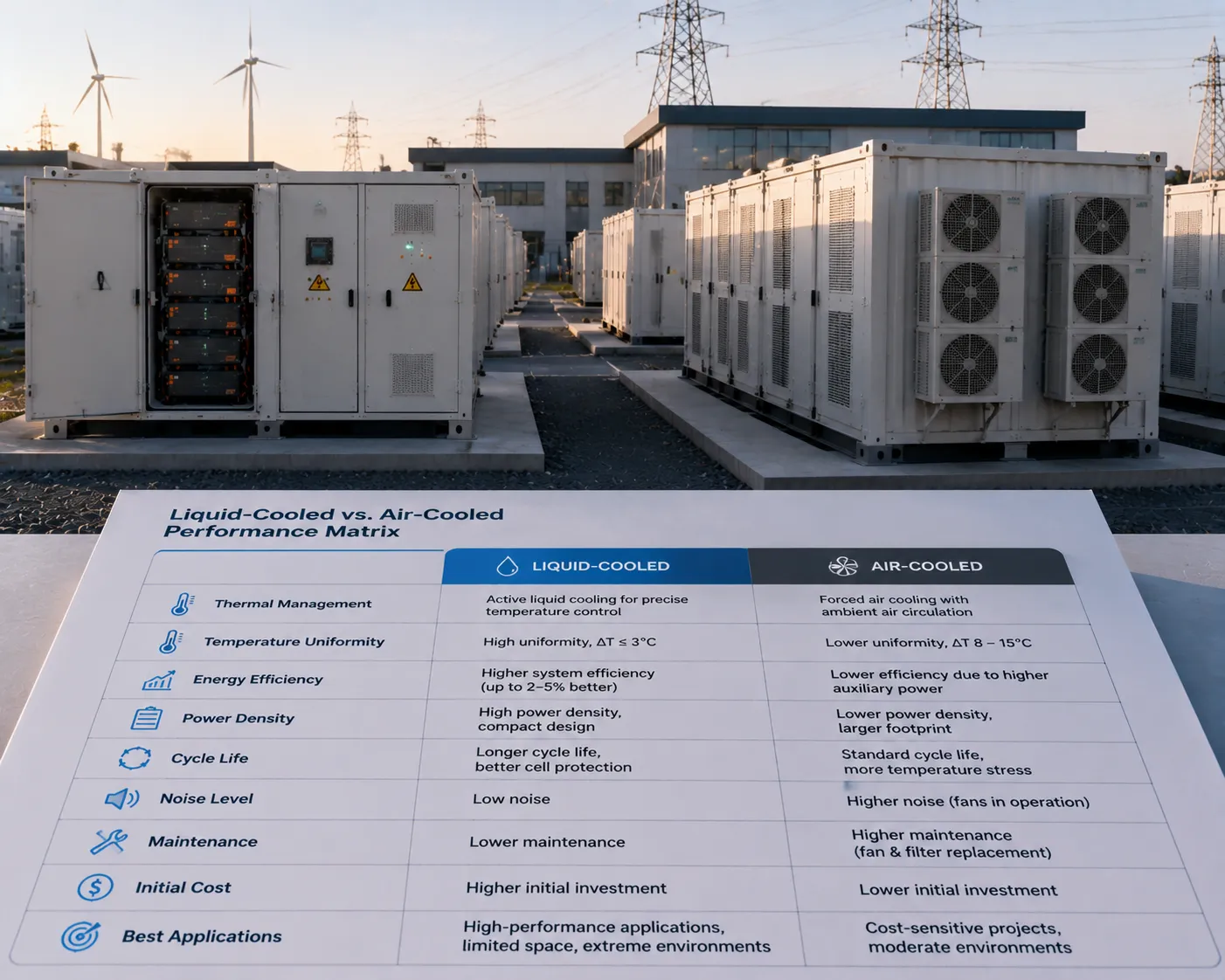
Liquid-Cooled vs. Air-Cooled Performance Matrix
Key engineering metrics comparing Percenec Energy liquid-cooled enclosures against conventional air-cooled storage cabinets.
| Parameter | Liquid Cooled | Air Cooled |
|---|---|---|
| Rack Delta T | ≤ 3°C | ≤ 6°C |
| Energy Density | +35% Higher | Standard |
| HVAC Power Draw | -30% Lower | Baseline |
| Expected Cell Life | +20% Cycles | Standard |
| Ingress Rating | IP55 / IP65 | IP54 |
Engineering Consultation and Proposal Support
Require single-line diagrams, short-circuit current calculations, or customized enclosure dimensions for an upcoming tender or RFQ?
Ready to Engineer Your Energy Storage Solution?
Submit your project requirements or single-line diagram. Our engineering team will provide customized BESS configuration recommendations and technical guidance.
Ready to Build Your Custom Battery Energy Storage System?
Submit your load curves or single-line diagrams to consult with senior application engineers and receive a customized BESS system design and quote within 24 hours.
Dedicated BESS Application Engineers
Direct technical consultation for C&I and utility-scale deployments.
24-Hour BESS Quote Turnaround
Rapid deliverables including capacity sizing, specs, and itemized pricing.
Full CAD & Compliance Data
Complete electrical single-line diagrams, UL/IEC certification, and grid documentation.
Strict NDA Data Protection
Your custom energy storage specs, load profiles, and site data remain 100% secure.
Request a Custom BESS Quote
Select your primary project requirement to start immediate engineering analysis.
Load Profile Intake
Share your technical load curves, SLDs, or site timelines.
BESS System Sizing
Engineers optimize capacity, C-rate, thermal, and EMS topology.
Tailored BESS Proposal
Receive verified CAD schematics, ROI analysis, and direct pricing.

Why Global EPCs & Enterprises Partner with Percenec Energy
From early-stage feasibility planning to grid compliance and site commissioning, Percenec Energy provides complete BESS system design and manufacturing. Our engineering team ensures your energy storage assets deliver high round-trip efficiency (RTE), multi-tier thermal protection, and long cycle life under challenging operational conditions.