Formula details
Product Details
Overview
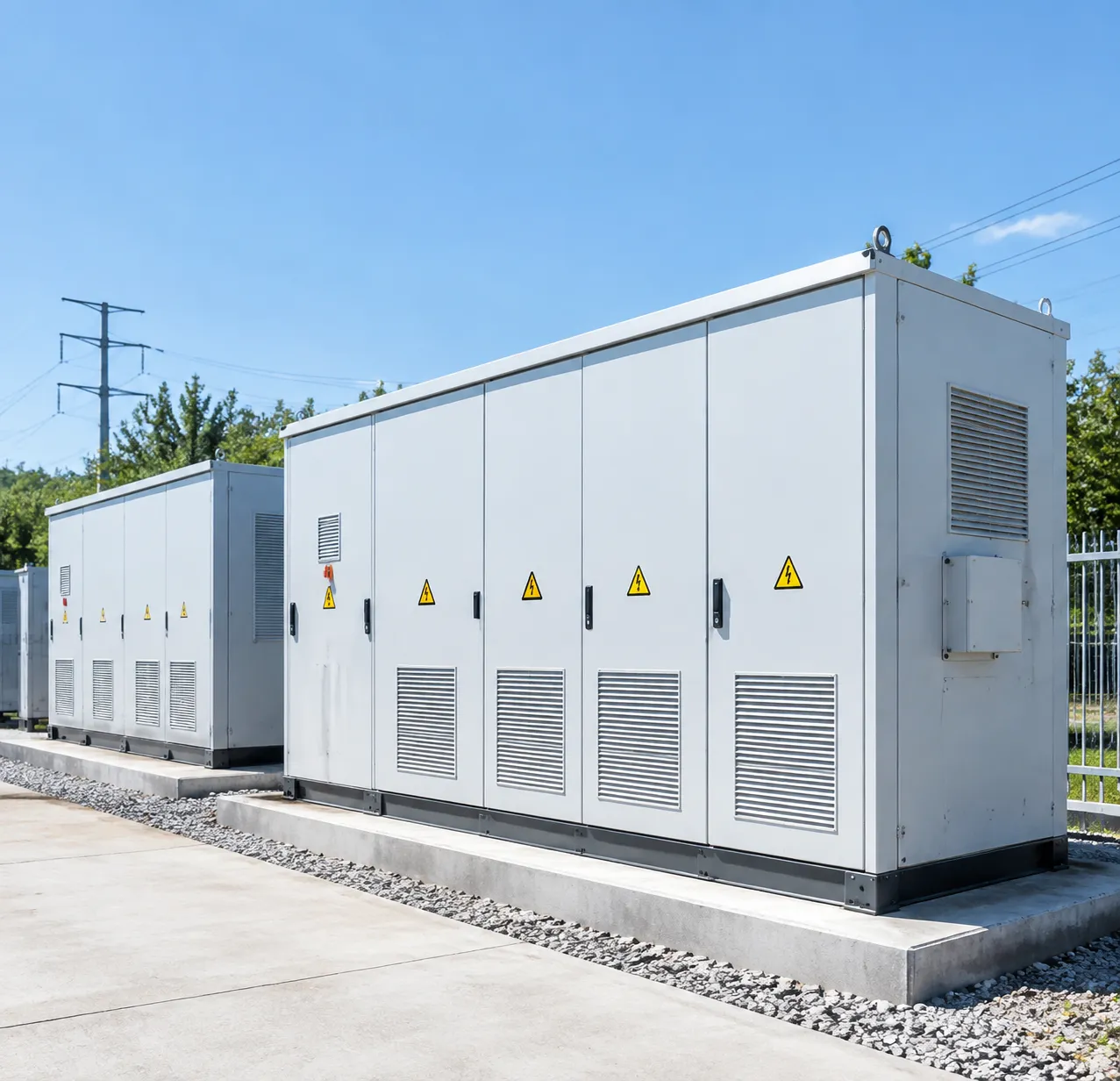
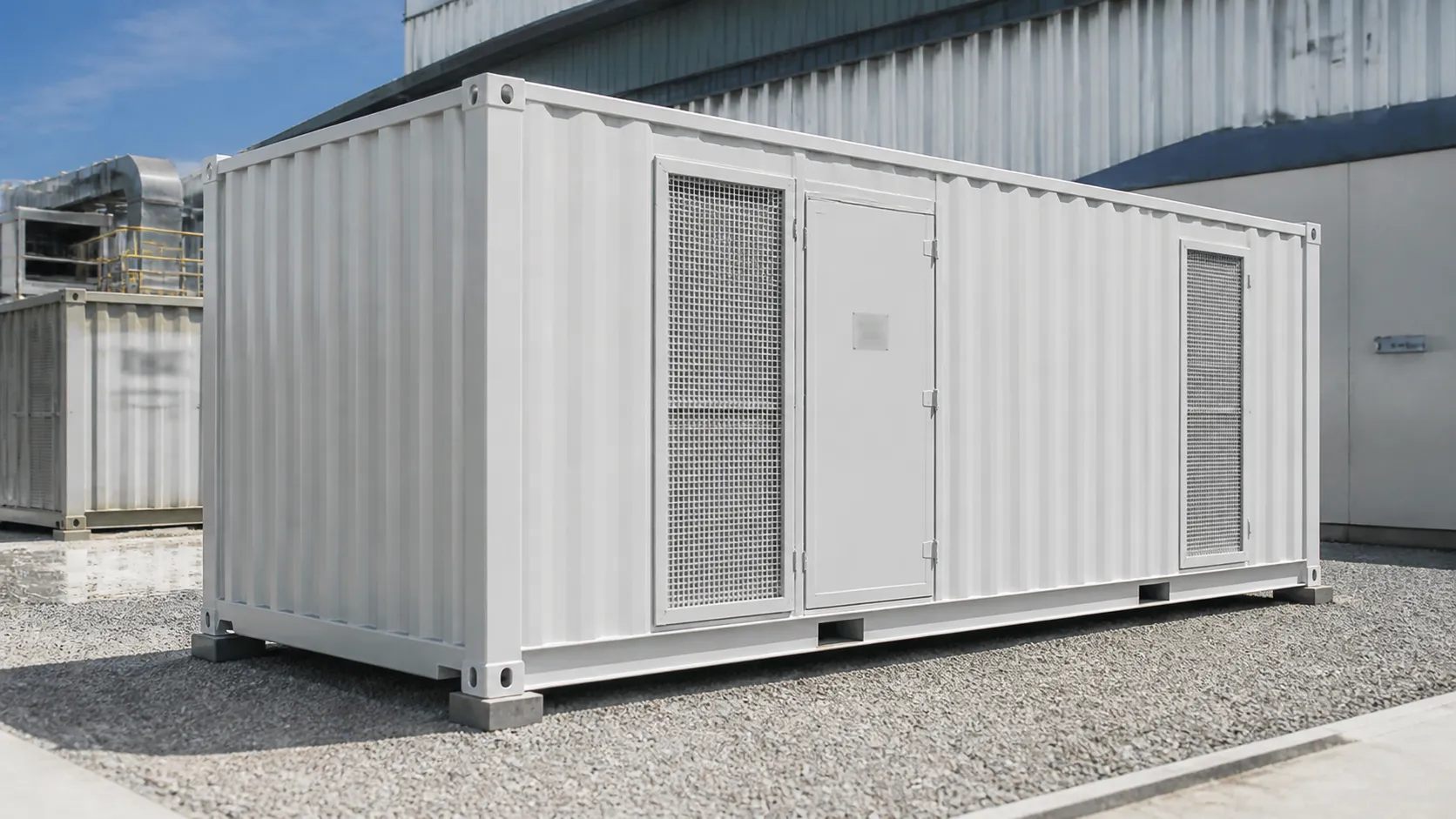
What is a 20ft Battery Energy Storage System (BESS)?
Core Components of a 20ft BESS Container
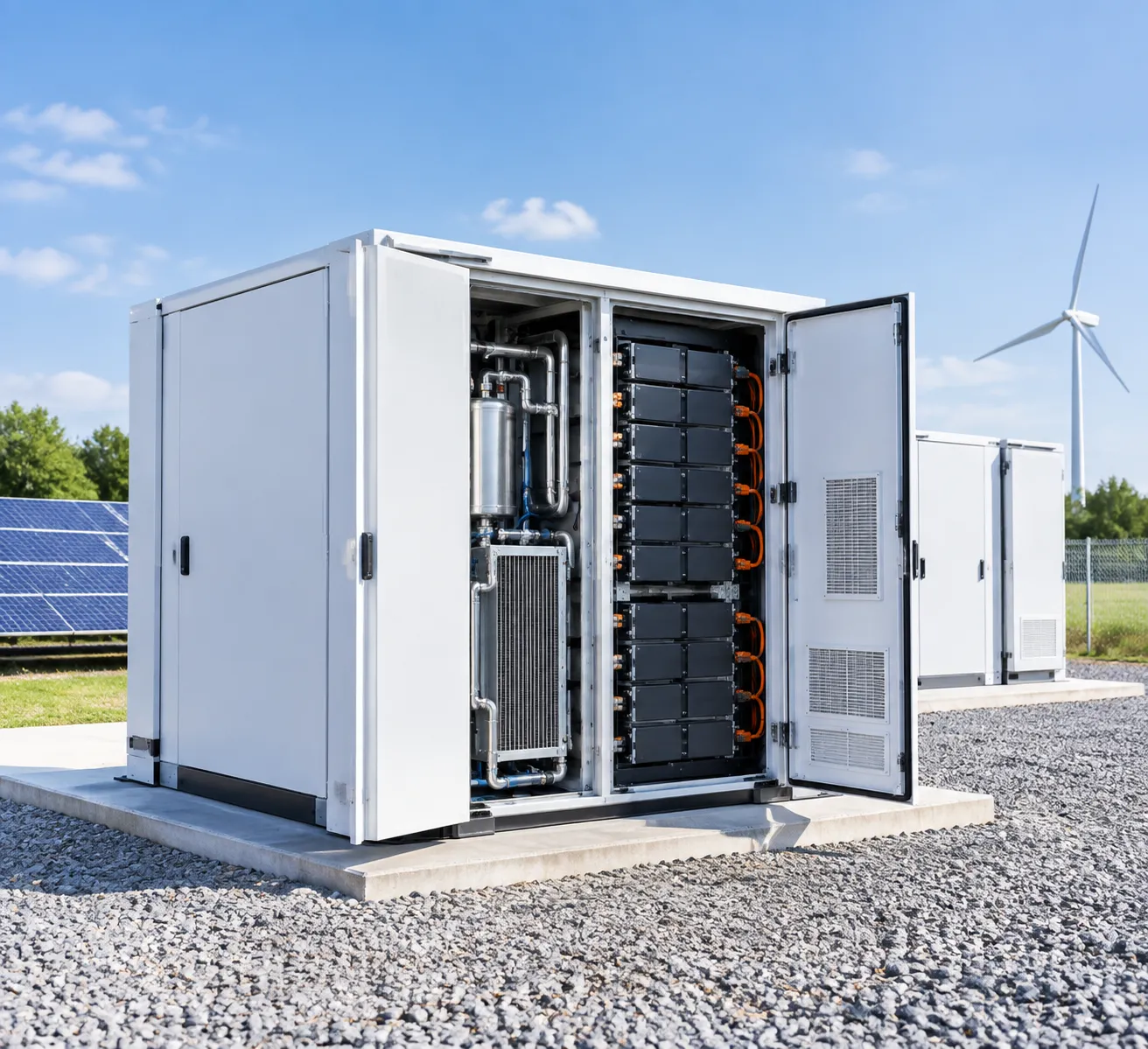
Our containerized battery energy storage system integrates every vital subsystem inside a rugged outer shell:
- LFP Battery Modules: High-density Lithium Iron Phosphate cells organized into heavy-duty rack structures.
- Battery Management System (BMS): Multi-tier monitoring controlling cell voltage, state of charge, and overall system safety.
- Power Conversion System (PCS): High-efficiency bi-directional inverters converting DC battery energy to usable AC grid power.
- Thermal Management: Integrated liquid cooling or HVAC units keeping internal temperatures uniform.
- Safety Systems: Multi-stage gas and smoke detectors combined with targeted fire suppression systems.
Standard ISO Footprint and Transport Design
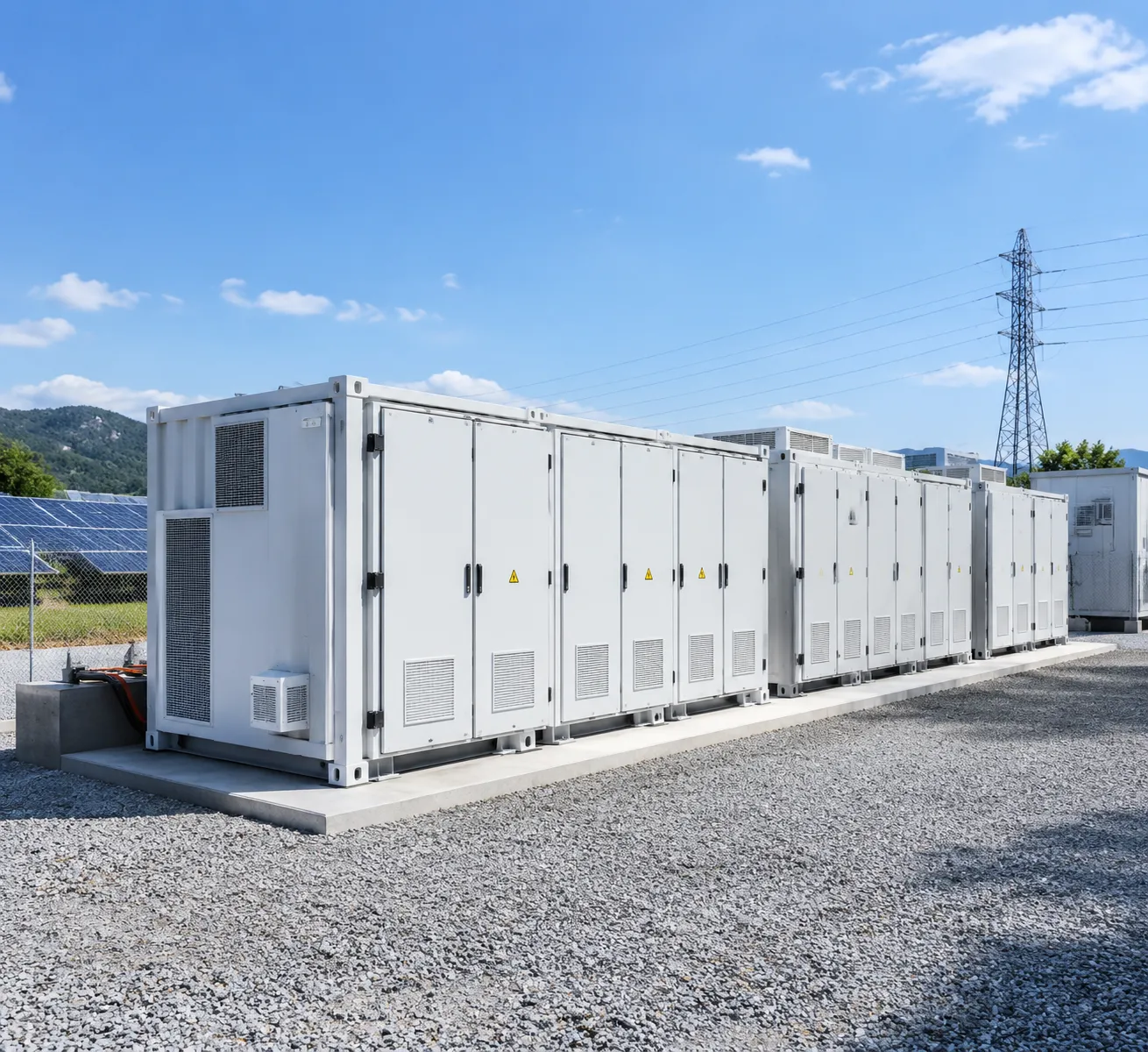
We build each 20ft BESS container to match standard ISO shipping container dimensions (High Cube layout). This structural design keeps logistics simple and fast:
| Specifications | Standard 20ft BESS Container |
|---|---|
| External Dimensions | 20 ft L x 8 ft W x 9.5 ft H (6.06m x 2.44m x 2.90m) |
| Logistics Compatibility | Standard flatbed trucks, rail cars, and shipping vessels |
| Enclosure Rating | Weatherproof steel construction (IP54 / IP55 rated) |
| Deployment Type | Factory pre-assembled plug-and-play setup |
Energy Capacity and Power Ratings
A single MWh battery storage container delivers dense power output on a remarkably small footprint. We balance energy capacity (MWh) and continuous power output (MW) based on your specific grid or site requirements:
- Energy Capacity: Ranging from 2.5 MWh up to 5.0 MWh per container using high-density LFP cells.
- Power Output: Configurable inverter ratings from 0.5 MW up to 2.5 MW.
- Discharge Duration: Engineered for 1-hour, 2-hour, or 4-hour continuous discharge cycles.
Key Technical Features of 20ft BESS Containers
We engineer every 20ft battery energy storage system with heavy-duty components to deliver maximum energy density, fast response times, and total operational reliability in harsh environments.
High-Density LFP Module Racks
- Cell Chemistry: High-grade Lithium Iron Phosphate (LFP) cells provide exceptional thermal stability and zero thermal runaway risk under normal operating conditions.
- Long Cycle Life: Designed for 6,000+ full charge/discharge cycles at 80% Depth of Discharge (DoD).
- Space Efficiency: Modular rack layouts maximize energy capacity, squeezing up to 3.7+ MWh into a single standard ISO footprint.
Thermal Management: Liquid Cooling vs. Air Cooling
| Feature | Liquid Cooling BESS Container | Air Cooling BESS Container |
|---|---|---|
| Temperature Control | Cell-to-cell temperature delta < 3°C | Cell-to-cell temperature delta 5°C–8°C |
| Auxiliary Power Usage | Up to 30% lower energy consumption | Higher parasitic HVAC power draw |
| Capacity Density | Higher MWh capacity per 20ft unit | Lower overall energy density |
| Best Application | High-use, multi-cycle daily operations | Standby backup and lower C-rate applications |
Integrated Fire Detection and Aerosol Suppression
- Early-Warning Detection: Gas sensors, smoke detectors, and thermal imaging monitor battery module integrity around the clock.
- Active Fire Suppression: Automated aerosol or Novec 1230 fire suppression systems extinguish thermal events directly at the module level.
- Structural Containment: Rated fire barriers and pressure relief deflagration panels prevent thermal runaway propagation across adjacent racks.
Smart BMS and Power Conversion System (PCS)
Our integrated commercial lithium battery energy storage system with BMS continuously controls cell balancing, State of Charge (SoC), and State of Health (SoH). Paired with bi-directional Power Conversion Systems (PCS), the system delivers sub-second switching for fast grid stabilization and seamless energy dispatch.
Primary Applications for 20ft Battery Storage Systems
Commercial and Industrial Peak Shaving
High peak demand charges can significantly increase operational costs for commercial facilities. We deploy our containerized units for peak shaving and demand charge management by storing low-cost power during off-peak hours and discharging it when utility rates spike.
- Load Shifting: Automatically smooth out daily facility demand peaks.
- Cost Reduction: Cut monthly utility demand charges without altering production schedules.
- Backup Power: Maintain critical manufacturing processes during short grid outages.
Utility-Scale Grid Regulation and Voltage Support
Modern grids face continuous stability challenges as power flows fluctuate. A 20ft BESS container responds in milliseconds to keep regional power networks balanced and reliable.
- Frequency Regulation: Rapidly inject or absorb active power to hold grid frequency within target limits.
- Voltage Support: Supply reactive power support to prevent localized grid voltage drops.
- Spinning Reserves: Provide instant capacity for grid operators during unexpected plant shutdowns.
Solar and Wind Renewable Energy Integration
Solar and wind power generation naturally fluctuates throughout the day. Integrating a 20ft renewable energy storage container bridges the gap between clean energy production and actual consumer demand.
- Curtailment Prevention: Capture excess solar and wind generation instead of throttling output.
- Ramp-Rate Control: Buffer sharp power drop-offs caused by cloud cover or shifting wind speeds.
- Firm Power Delivery: Dispatch stored clean electricity during peak evening hours.
Microgrid Backup Power and Off-Grid Support
For remote mining sites, island communities, and industrial facilities, uninterrupted power is non-negotiable. Our tailored microgrid energy storage solutions combine with solar arrays, wind turbines, or generators to build resilient local grids.
- Generator Optimization: Lower diesel fuel consumption and engine wear by optimizing generator operating loads.
- Seamless Islanding: Transition instantly to standalone microgrid mode when the main grid fails.
- Off-Grid Reliability: Deliver continuous power to remote infrastructure in harsh outdoor conditions.
Key Advantages of Containerized 20ft Energy Storage
We built our 20ft battery energy storage system to solve the biggest hurdle in project development: long, expensive onsite deployment schedules. By moving engineering and assembly offsite into standard ISO footprints, we deliver a reliable, field-ready power asset that minimizes field labor while maximizing performance.
Plug-and-Play Fast Deployment
Every containerized battery energy storage system leaves our facility fully wired, tested, and ready to commission.
Rapid Installation: Cut onsite setup timelines from several months to just a few days.
Pre-Integrated Hardware: Batteries, thermal management, BMS, and safety controls arrive factory-tested inside a single unit.
Seamless Turnkey Hookup: Interconnect quickly with current utility feeds or combine with active solar-plus-storage solutions for immediate renewable offsetting.
Modular Scalability
Growing your capacity is straightforward when working with a modular energy storage container.
Parallel Interconnection: Link multiple 20ft units together to easily scale up power output and storage capacity.
Phased Upgrades: Expand your system capacity as your power demands grow without having to redesign your foundational electrical infrastructure.
Rugged IP54/IP55 Enclosures
Constructed within heavy-duty steel shipping structures, our BESS units handle extreme environments with ease.
Weatherproof Protection: Sealed IP54/IP55 rated enclosures block out blowing dust, rain, snow, and moisture.
Climate Control Insulation: Integrated thermal insulation keeps interior electronics functioning smoothly in freezing winter conditions or severe summer heatwaves.
Reduced Civil and Installation Costs
Standard dimensions keep logistics simple and reduce upfront capital expenditure.
Standardized Logistics: Standard ISO container sizing lowers shipping fees using off-the-shelf freight transport.
Simplified Pad Prep: Requires straightforward concrete pad foundations rather than complex custom civil engineering work.
Lower Labor Expenses: Minimizing field wiring cuts local labor costs, helping optimize overall project ROI when installing comprehensive factory energy management solutions.
How to Choose the Right 20ft Battery Energy Storage System
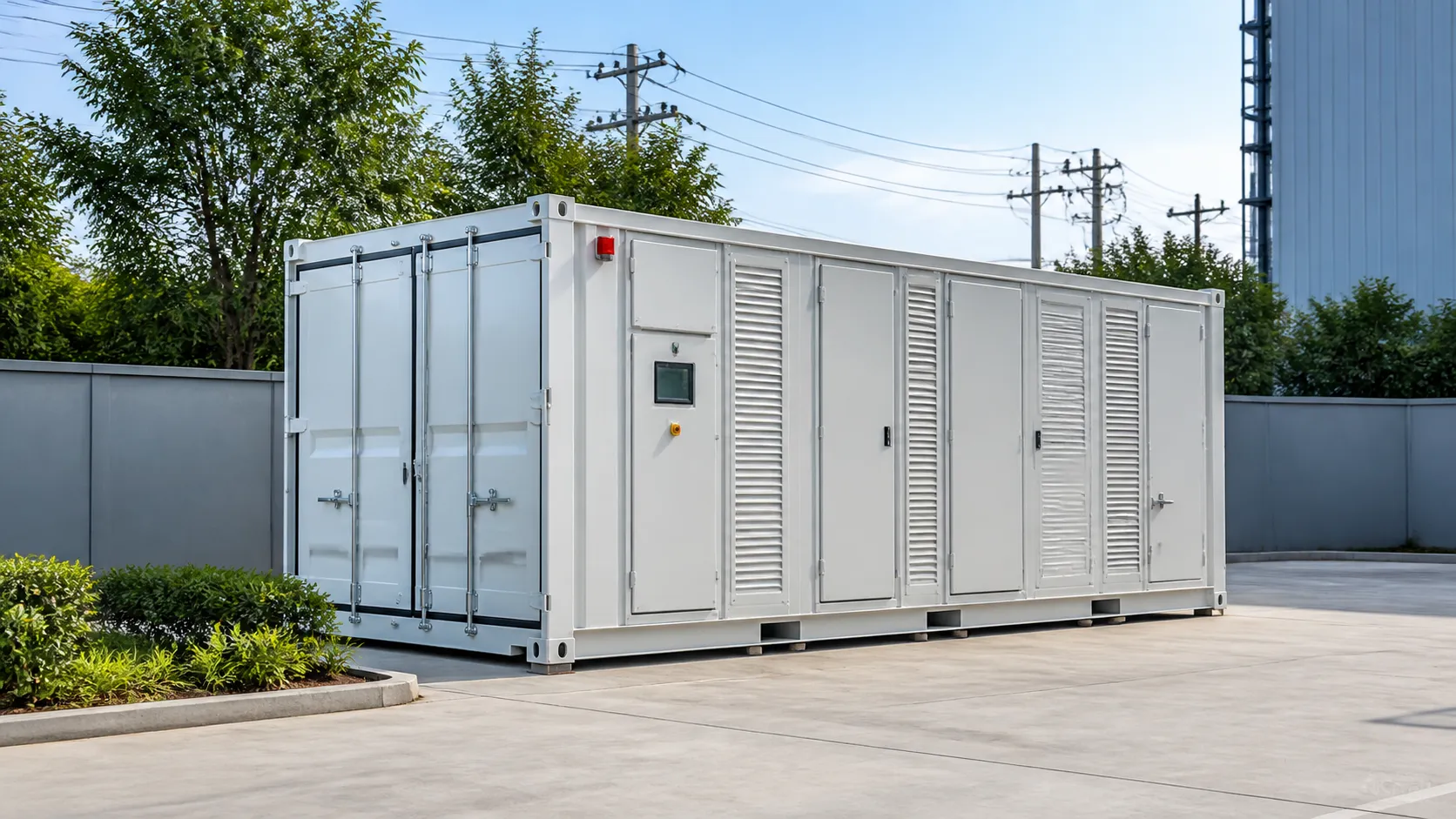
Selecting the right 20ft battery energy storage system comes down to balancing usable energy, safety standards, and long-term operating economics. We always advise looking past raw capacity numbers to evaluate how a containerized system handles your specific daily load profile.
Match Capacity to Discharge Duration
- Power vs. Capacity: Determine whether you need high power output (MW) for short surges or sustained energy capacity (MWh) over multiple hours. A standard 20ft BESS container typically delivers between 2.5 MWh and 5.0 MWh depending on battery cell density.
- Duty Cycle Fit: Short-duration discharge (1–2 hours) suits peak shaving and fast grid support. Longer discharge durations (4+ hours) are best for renewable energy time-shifting and commercial building energy management.
Compare Round-Trip Efficiency and Cycle Life
- Round-Trip Efficiency (RTE): Target an AC-to-AC RTE between 88% and 92%. Higher efficiency minimizes energy loss during daily charge and discharge cycles, directly lowering operating costs.
- Cycle Life: High-density LFP battery storage containers should deliver at least 6,000 to 8,000 cycles at 80% Depth of Discharge (DoD), supporting over 12 to 15 years of continuous daily operation.
Verify Safety Compliance and Standards
Safety certifications are non-negotiable for project permitting and insurance coverage:
UL 1973: Certifies the safety and structural integrity of the battery modules and racks.
UL 9540: Validates the entire integrated system, including the BMS, PCS, and thermal controls, as a UL 9540 certified BESS.
NFPA 855: Mandates installation distances, fire suppression response, and thermal runaway prevention protocols.
Evaluate Warranty and OEM Support Services
- Performance Guarantee: Look for a throughput-based warranty (total MWh delivered) rather than just a simple calendar time limit.
- System Integration: Partner with suppliers offering custom energy storage solutions to ensure the power conversion system (PCS) and controller integrate directly with your local grid codes and monitoring software.
Key Evaluation Criteria for 20ft BESS Containers
| Evaluation Factor | Ideal Target Range | Why It Matters |
|---|---|---|
| Storage Capacity | 3.35 MWh - 5.0 MWh per 20ft unit | Maximizes energy density on a standard ISO footprint |
| Round-Trip Efficiency | ≥ 88% - 90% | Reduces wasted energy and speeds up payback periods |
| Cycle Life Rating | ≥ 6,000 cycles @ 80% DoD | Ensures a longer active lifespan before cell degradation |
| Safety Compliance | UL 9540, UL 1973, NFPA 855 | Streamlines local utility approval and site permitting |
20ft Battery Storage System Site Setup and Operation
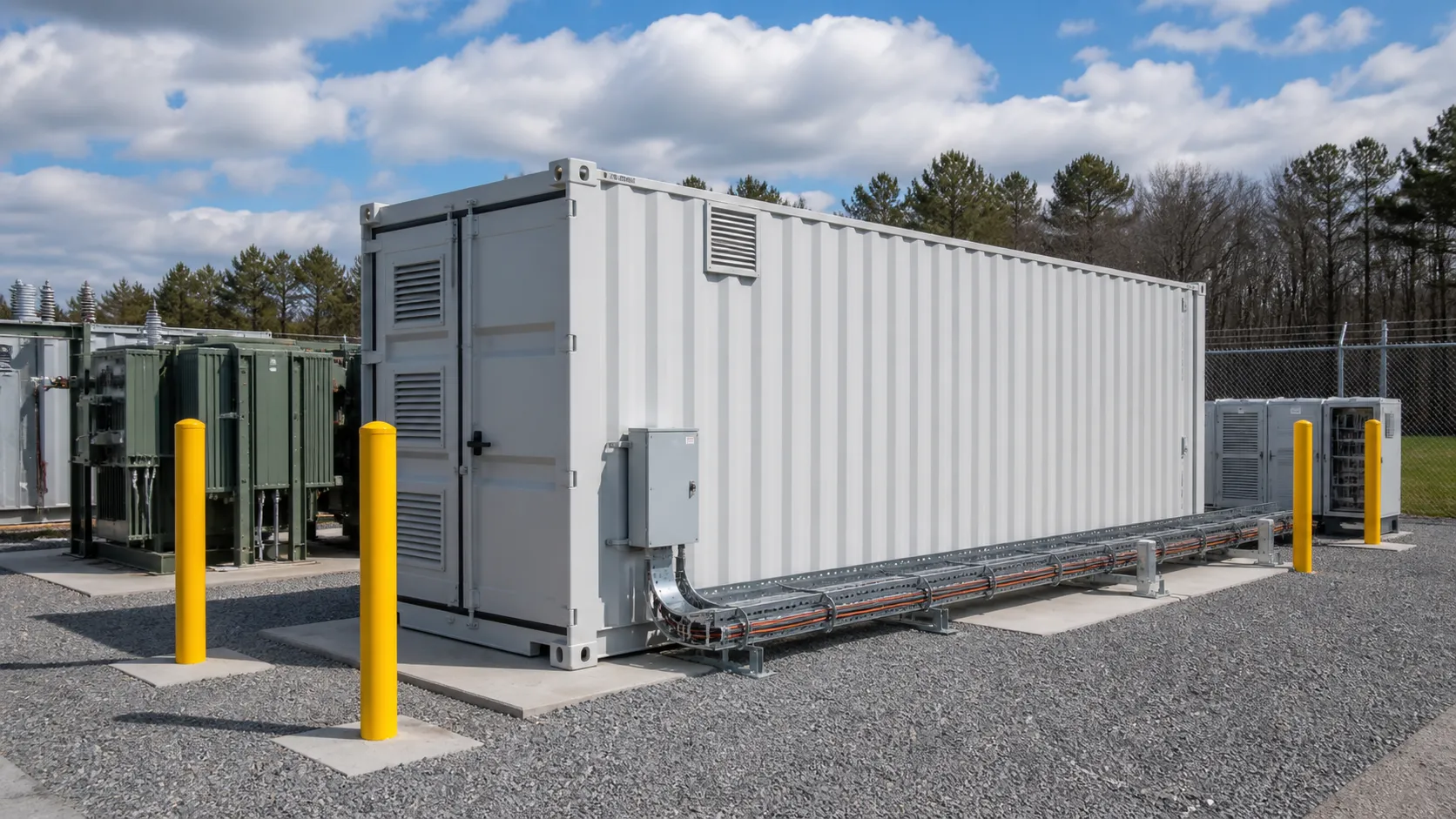
Site Foundation and Grid Connection Standards
Getting a 20ft BESS container site-ready demands reliable civil engineering and strict grid code compliance:
- Foundation Requirements: A level, reinforced concrete slab rated for heavy utility loads (typically up to 30–35 metric tons), complete with adequate site drainage, fire separation buffers, and seismic anchoring.
- Grid Interconnection: Full compliance with utility interconnection standards (including IEEE 1547 and UL 1741). We streamline high-voltage transformer coupling and grid-matching through our end-to-end project delivery services to speed up system commissioning.
Remote Monitoring Tools and SCADA System Integration
Operational success depends on constant visibility and fast control response times.
We connect localized field sensors directly to centralized cloud networks through tailored BMS and EMS integration platforms. Our Supervisory Control and Data Acquisition (SCADA) systems deliver real-time operational management:
Performance Metrics: Live tracking of State of Charge (SoC), State of Health (SoH), and voltage balancing across all module racks.
Automated Dispatch: Instant response for peak shaving, demand management, and frequency regulation signals.
Safety Monitoring: Automated alerts for temperature anomalies, insulation faults, or door sensor triggers.
Preventive Maintenance and Thermal Management Inspections
Structured maintenance schedules keep your containerized battery energy storage system running safely while preserving core asset value.
| Inspection Area | Key Operational Tasks | Frequency |
|---|---|---|
| Thermal Management | Inspect coolant fluid levels, check pump pressure, clean radiator fins, and test HVAC units | Quarterly |
| Electrical Infrastructure | Check PCS power terminals, torque high-voltage busbar bolts, and measure insulation resistance | Semi-Annually |
| Fire Safety Systems | Test aerosol/gas suppression controls, verify smoke/heat sensors, and check emergency stop buttons | Semi-Annually |
| Battery Rack Health | Run automated cell-capacity balancing, analyze BMS diagnostic logs, and perform full discharge tests | Annually |
Frequently Asked Questions About 20ft BESS Containers
How much capacity fits inside a 20ft battery storage container?
Standard 20ft units typically hold between 2 MWh and 5 MWh of total energy capacity. By utilizing high-density LFP cells and advanced thermal layouts, our modern 20ft BESS container designs pack up to 5 MWh into a single standard ISO footprint, maximizing energy density without expanding your physical site footprint. Read our BESS buying guide to determine the exact capacity configuration for your project requirements.
What is the expected lifespan of a 20ft battery energy storage system?
A high-quality 20ft battery energy storage system delivers an operational lifespan of 15 to 20 years. This performance rating translates to roughly 6,000 to 8,000 full charge-discharge cycles before system capacity drops to 70% of its initial rating. Maintaining optimal internal temperatures and performing routine preventative checks ensures maximum longevity.
Why is liquid cooling ideal for 20ft BESS units?
Liquid cooling BESS container designs offer several key performance benefits over traditional air cooling systems:
- Superior Temperature Control: Keeps cell-to-cell temperature variance within ≤ 2.5°C, eliminating thermal hot spots.
- Lower Operational Costs: Reduces internal auxiliary energy consumption by 30% to 40%.
- Higher Power Density: Eliminates bulky air ducts, allowing us to squeeze more MWh battery storage capacity into a single enclosure.
Can a 20ft BESS container operate in extreme hot or cold climates?
Yes. Our containerized battery energy storage system enclosures feature IP54/IP55-rated weatherproofing, heavy thermal insulation, and integrated climate control loops. Whether deployed in desert heat reaching 55°C (131°F) or sub-zero conditions as low as -30°C (-22°F), internal conditions remain stabilized for safe, continuous grid operation. Discover detailed climate testing specs in our latest energy storage articles.