Formula details
Product Details
Overview
250 kW 575 kWh Parallel BESS System Overview
Rising commercial electricity rates and severe demand charges hit operational bottom lines hard. We engineered our 250 kW 575 kWh parallel battery energy storage system as a heavy-duty, plug-and-play solution designed to help commercial and industrial (C&I) facility owners take control of their power costs and secure resilience against grid outages.
Core Technical Specifications
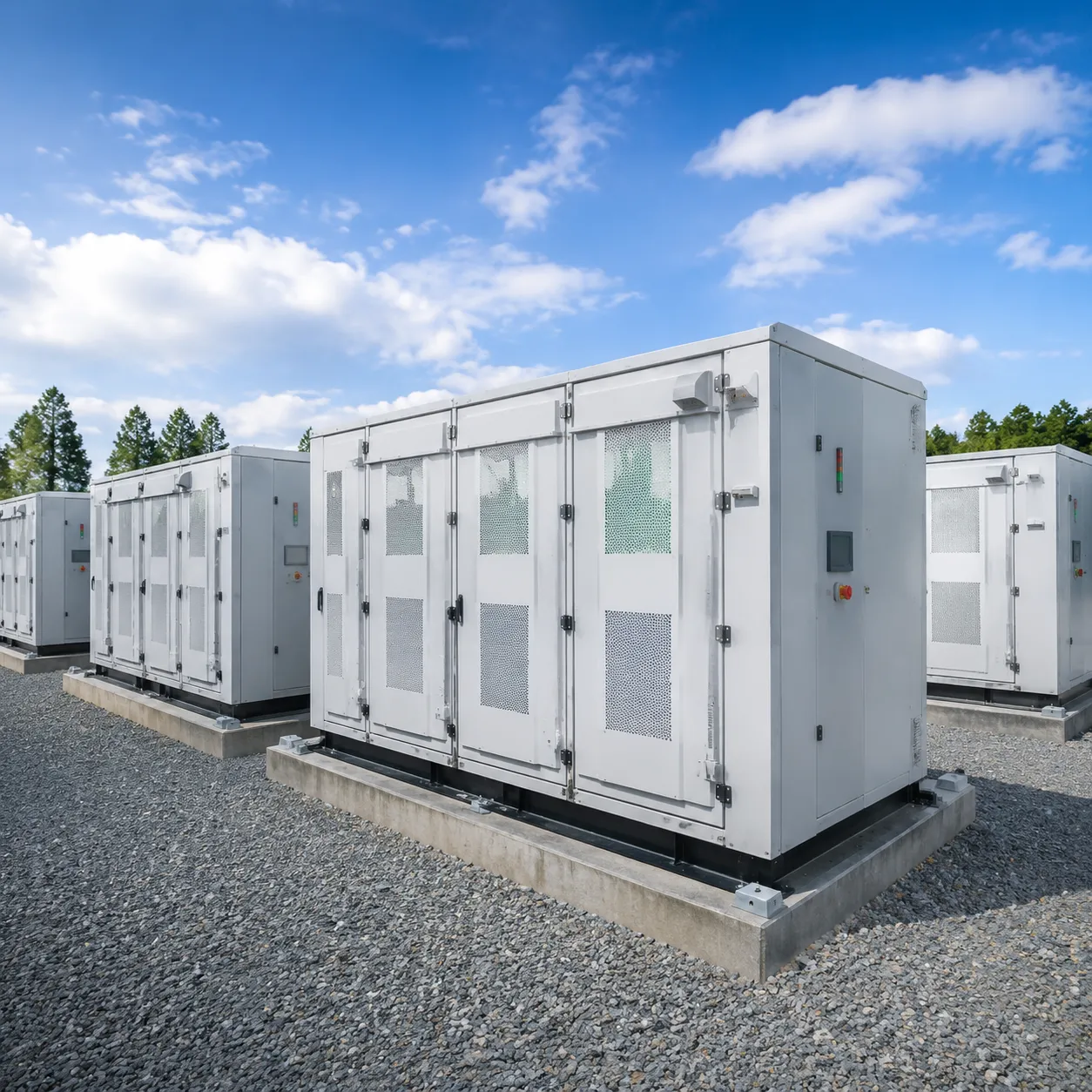
Our system integrates premium Tier-1 lithium iron phosphate (LFP) battery cells with high-efficiency liquid cooling and an integrated Power Conversion System (PCS) into a compact outdoor enclosure.
| Parameter | Specification |
|---|---|
| Rated Power (PCS) | 250 kW |
| Energy Capacity | 575 kWh |
| Cell Chemistry | Lithium Iron Phosphate (LiFePO4) |
| Discharge Duration | ~2.3 Hours at Continuous Full Output |
| Cooling Method | Industrial Liquid Cooling System |
| Parallel Scalability | Multi-unit parallel expansion capable |
| Enclosure Rating | IP55 / NEMA 3R Outdoor Rated |
Modular Architecture & Scalable Parallel Design
A single cabinet provides 250 kW power and 575 kWh storage capacity. For facilities with higher power loads or longer duration requirements, our modular BESS architecture allows seamless parallel connections:
- Flexible Expansion: Link multiple 250 kW / 575 kWh storage cabinets to scale output up to multi-megawatt configurations.
- Plug-and-Play Control: Integrated master-slave control logic ensures unified power distribution across all parallel units.
- Footprint Optimization: Compact footprint maximizes energy density per square foot, minimizing physical space needs on concrete pads.
Commercial & Industrial Use Cases
We tailored this 250 kW commercial BESS to deliver maximum utility savings and power flexibility across various C&I sectors:
- Demand Charge Reduction: Automatically caps power spikes to lower monthly utility demand fees.
- Time-of-Use (TOU) Arbitrage: Stores low-cost electricity off-peak and discharges during expensive peak tariff hours.
- Microgrid Integration: Pairs directly with solar PV arrays and diesel generators to form reliable islanded power systems.
- EV Fleet Charging Support: Buffers local grid constraints when high-power EV chargers operate simultaneously.
Key Hardware Specs and Physical Configuration

By integrating power conversion, battery cells, and HVAC into a unified footprint based on advanced energy storage system architecture, we keep on-site installation quick and straightforward.
250 kW PCS Inverter Rating and Dynamic Output
- Continuous Power Output: 250 kW charging and discharging capacity.
- Grid Compatibility: 3-phase 480V AC standard output (custom voltage options available).
- Peak Conversion Efficiency: > 98.5% efficiency to minimize system energy losses.
- Grid Support Capabilities: Millisecond switching response, reactive power support, and black start capability.
575 kWh High-Density LFP Battery Cabinet Specs
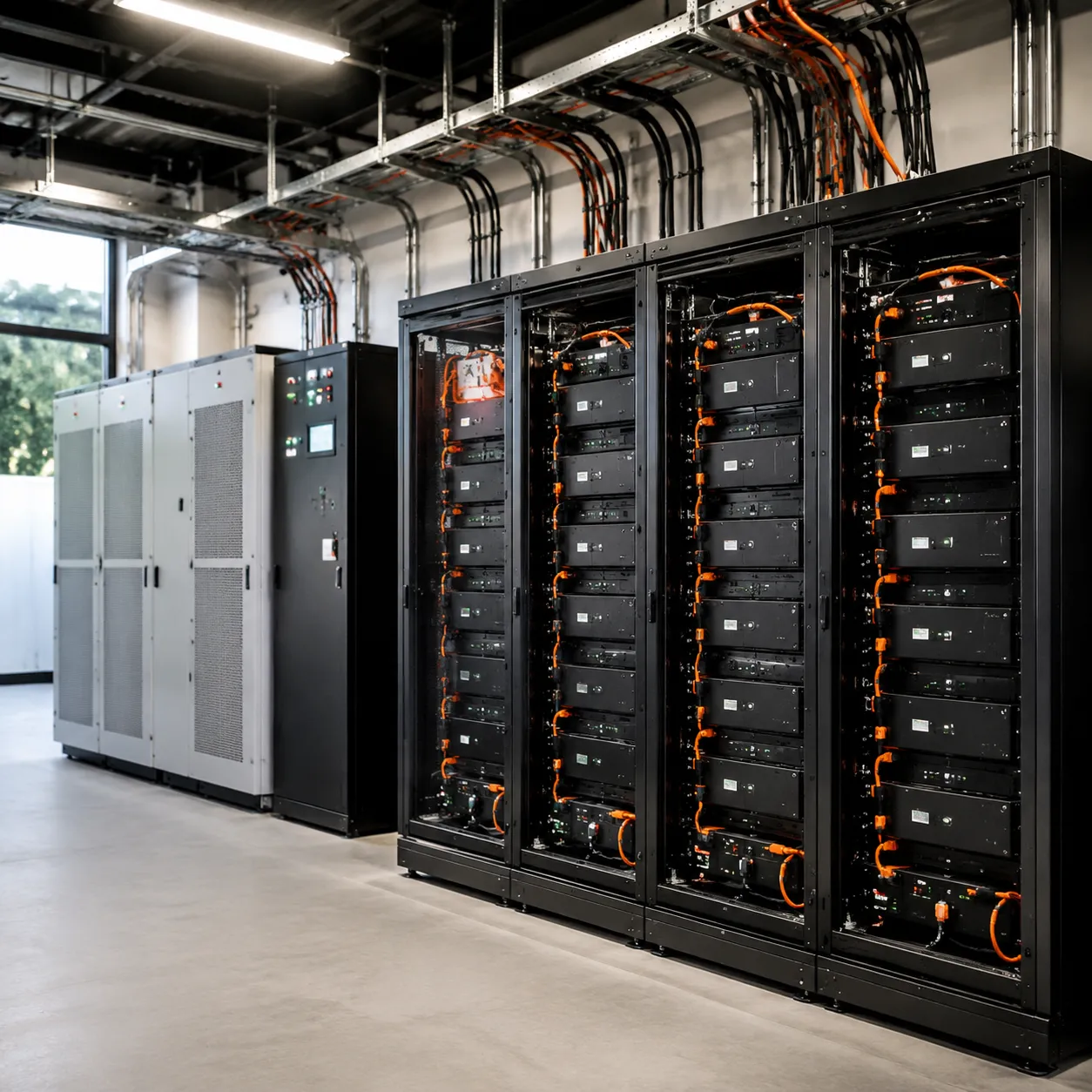
The energy storage block uses a high-density lithium iron phosphate battery system designed for deep daily cycling and long operational life.
| Specification | Technical Parameter |
|---|---|
| System Rated Power | 25 |
How Parallel Expansion Works in Practice
Scaling up energy capacity shouldn't require redesigning your entire electrical infrastructure. When facility demand outgrows a single cabinet, we build flexibility right into the architecture. Deploy## How Parallel Expansion Works in Practice
Scaling up your energy storage shouldn't mean re-engineering your entire facility. We built our 250 kW 575 kWh parallel battery energy storage system to scale seamlessly on demand, giving you flexible power expansion without unnecessary downtime or complex rewiring.
Connecting Multiple 250 kW / 575 kWh Cabinets
When facility power demands grow, you can easily link multiple units together on a common bus. This plug-and-play architecture allows you to scale from a single cabinet up to multi-megawatt configurations. By choosing a modular battery energy storage system for scalable power, you lower installation overhead while keeping the flexibility to increase storage capacity as your site grows.
Master-Slave System Control and Load Sharing
To keep multi-cabinet setups running peak efficiency, our system relies on a smart master-slave control architecture:
- Centralized Coordination: One primary cabinet functions as the master controller, communicating with your site EMS and directing overall charge/discharge schedules.
- Equalized Load Sharing: Power demand is automatically distributed across all connected units, preventing individual cabinet strain and extending battery life.
- Fail-Safe Operation: If a cabinet goes offline for routine maintenance, the master unit instantly recalibrates load sharing across the remaining active units without dropping power.
String-Level Power Balancing and Protection
Parallel battery systems can suffer from circulating currents if cell voltages drift apart over time. We eliminate this issue using localized string-level management:
- Independent String Optimization: Integrated power controls manage each battery string separately, preventing cross-charging between parallel cabinets.
- Automated Fault Isolation: High-speed string protection isolates localized electrical faults immediately, leaving the rest of the array fully operational.
- Real-Time SoC Synchronization: State-of-charge levels continuously equalize across cabinets during active cycles, keeping power delivery predictable and safe.
System Integration and Grid Operation
We design our 250 kW 575 kWh parallel battery energy storage system to integrate smoothly with existing utility feeds, solar arrays, and onsite generators. Whether your facility operates connected to the main grid or requires self-sustaining site power, our equipment adapts dynamically to your real-time load profile.
Grid-Tied vs Off-Grid Emergency Backup Mode
Our grid-tied power conversion system operates in sync with the utility, managing facility power flow while standing by for grid interruptions.
- Grid-Tied Operation: Manages daily peak shaving, load shifting, and solar absorption while keeping your facility synchronized with local electrical lines.
- Seamless Transfer: Automatically switches to off-grid backup mode during grid blackouts in milliseconds, keeping critical plant machinery running smoothly.
- Auto Re-Synchronization: Safely reconnects facility loads to the main utility grid once central power stabilizes, eliminating manual resets.
Solar PV and Diesel Generator Microgrid Coupling
For industrial sites using mixed power sources, our cabinets form the core of a resilient hybrid setup. By integrating robust microgrid energy storage controls, we help facilities balance renewable power with traditional backup generation.
- Solar Integration: Captures surplus solar PV generation during high-yield afternoon hours and dispatches it during peak power pricing windows.
- Genset Efficiency: Runs diesel generators at their optimal load efficiency to recharge the 575 kWh battery cabinets, slashing generator run hours, maintenance, and fuel bills.
Smart BMS and EMS Software Controls
Complete visibility and automatic dispatch come standard through our two-tier digital control architecture:
| Control Layer | System Role | Core Responsibilities |
|---|---|---|
| Battery Management System (BMS) | Hardware Protection | Monitors cell voltage, pack temperature, state of charge (SoC), and active cell balancing. |
| Energy Management System (EMS) | Facility Optimization | Executes peak shaving algorithms, automated TOU scheduling, and remote system telemetry. |
We build our units with standard Modbus TCP, CAN, and IEC 61850 protocol support, allowing fast pairing with your existing building automation and SCADA systems.
Safety Standards and Thermal Protection
We build our 250 kW 575 kWh parallel battery energy storage system to meet the strictest grid and commercial safety regulations worldwide. Safety is built into every layer of our hardware architecture, ensuring robust risk mitigation for every outdoor battery energy storage system we deploy.
UL Certified Thermal Runaway Prevention
- UL 9540 Certification: Validates full system safety for grid integration and C&I deployment.
- UL 9540A Fire Testing: Proves cell-level and module-level containment, ensuring zero thermal runaway propagation between parallel cabinets.
- Real-Time Cell Monitoring: Continuous voltage and temperature sensing catches micro-anomalies early.
Active Suppression and Hazard Isolation
- NFPA 69 Compliance: Deflagration prevention controls maintain safe internal gas ratios.
- Active Aerosol Suppression: Deploys localized fire suppression inside cabinet bays within milliseconds of detection.
- Early Gas Sensing: Works alongside specialized off-gas sensors to detect battery venting prior to thermal events.
Heavy-Duty Outdoor Enclosures
- IP55 / NEMA 3R Rating: Dust-tight and water-resistant casing protects core power components against harsh weather.
- Corrosion Resistance: Heavy-gauge galvanized steel shell handles high humidity and coastal conditions.
- Wide Thermal Operating Range: Liquid-cooling systems maintain optimal cell temperatures from -30°C to 55°C ambient.
Financial ROI and Utility Cost Reduction

Peak Shaving and Demand Charge Mitigation
Demand charges often account for up to 50% of a commercial utility bill. Our system dynamically caps facility power draw during high-demand spikes:
- Automated Spike Clipping: Discharges power instantly when facility loads exceed target thresholds.
- Demand Charge Reduction: Decreases peak kilowatt demand to lock in lower monthly utility tariffs. Implementing targeted peak shaving and load shifting solutions keeps operational overhead predictable.
Time-of-Use (TOU) Load Shifting Strategies
- Off-Peak Charging: We program the battery cabinet to charge from the grid or solar when electricity prices are lowest.
- On-Peak Discharging: The system powers facility loads during expensive peak tariff hours, bypassing high rates entirely.
- Understanding the benefits of peak shaving for lower energy costs lets commercial operators capture maximum arbitrage value daily.
Payback Calculation and Incentives
| Financial Strategy | Operational Impact | Payback Contribution |
|---|---|---|
| Demand Charge Reduction | Lowers monthly peak demand fees by 20% to 40% | Core driver (2-4 year payback) |
| TOU Arbitrage | Avoids peak rate surcharges through daily cycling | Continuous cash flow support |
| Investment Incentives | Clean energy tax credits and local utility rebates | Immediate upfront capex offset |
We help facilities leverage local utility rebates and tax credits to shorten total system payback to 3–5 years while providing high-efficiency energy storage over a 15-year operational lifespan.
250 kW 575 kWh Parallel BESS Installation & Maintenance
Site Preparation & Concrete Pad Requirements
Proper civil foundation design prevents structural settling and ensures efficient cable routing:
- Foundation: Heavy-duty reinforced concrete pad rated for heavy dynamic loads (minimum 4,000 PSI concrete thickness).
- Clearance: Maintain a minimum 3-foot clearance around each cabinet for airflow, thermal management, and easy technician access.
- Conduit Entry: Dedicated bottom-entry conduit stubs aligned with cabinet footprints for DC, AC, and control wiring.
- Environmental Grading: Engineered pad elevation and drainage to keep standing water away from outdoor enclosures.
Commissioning Process & Utility Interconnection
Connecting a multi-cabinet storage array to the local grid demands rigorous testing. We engineer our commercial and industrial energy storage systems for seamless site integration:
- Wiring & Isolation Audits: Verify phase rotation, ground resistance, insulation continuity, and parallel DC string voltages.
- Firmware & BMS Configuration: Sync communication loops, establish master-slave handshakes, and verify dynamic load sharing across all parallel cabinets.
- Grid Interconnection Verification: Validate anti-islanding protection, frequency response, and utility relay trip thresholds.
- Load Testing: Execute full charge/discharge cycle tests under full power capacity to confirm system stability under heavy load.
Routine Maintenance Schedule
Structured preventive maintenance maintains thermal efficiency and safeguards battery lifespan:
| Frequency | Inspection Focus | Operational Tasks |
|---|---|---|
| Monthly | Visual & Environmental Checks | Clean air intakes, inspect liquid coolant loops, check active system alarm logs. |
| Bi-Annually | Thermal & BMS Diagnostics | Test emergency stop (E-stop) circuits, check coolant levels, and review cell balancing metrics on our commercial lithium energy storage system with integrated BMS. |
| Annually | Safety & High-Voltage Audit | Retorque electrical busbars, inspect fire suppression system pressure, calibrate current transformers (CTs). |
Related Sources