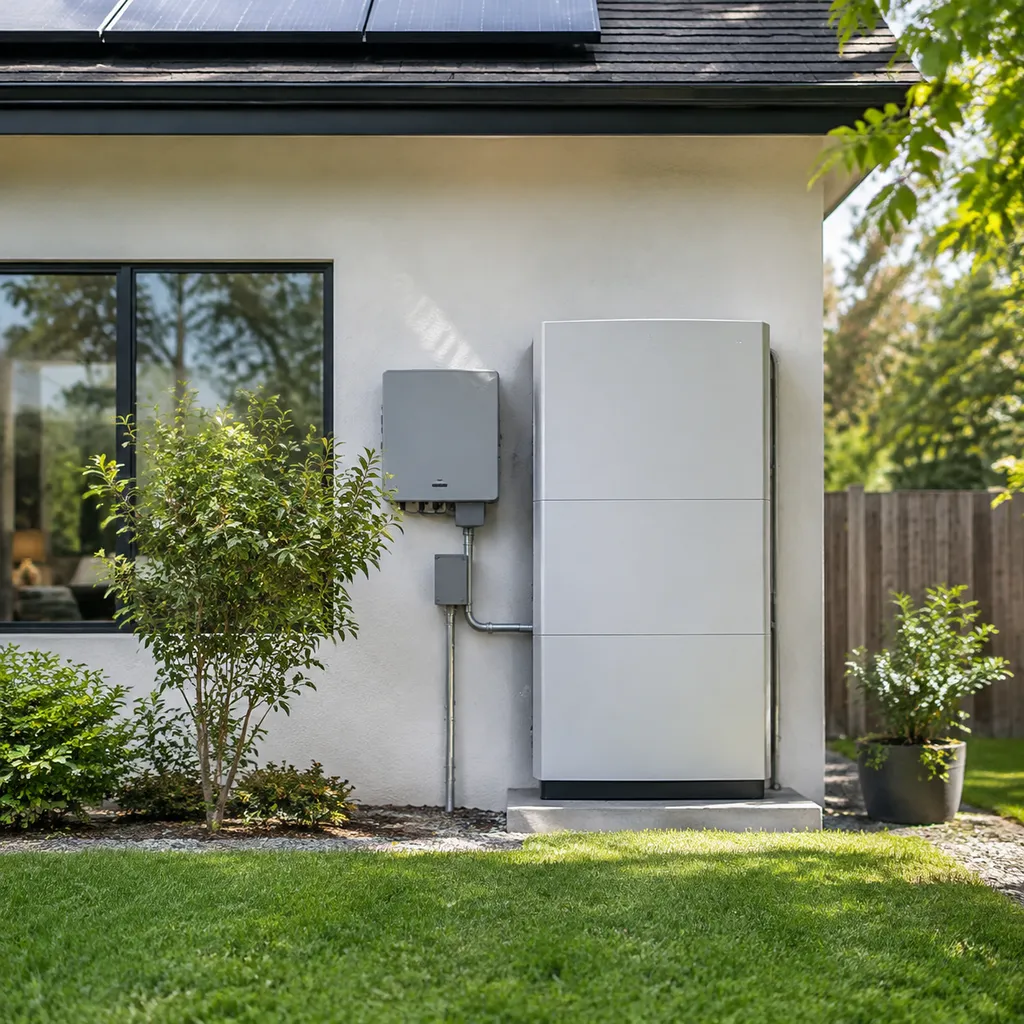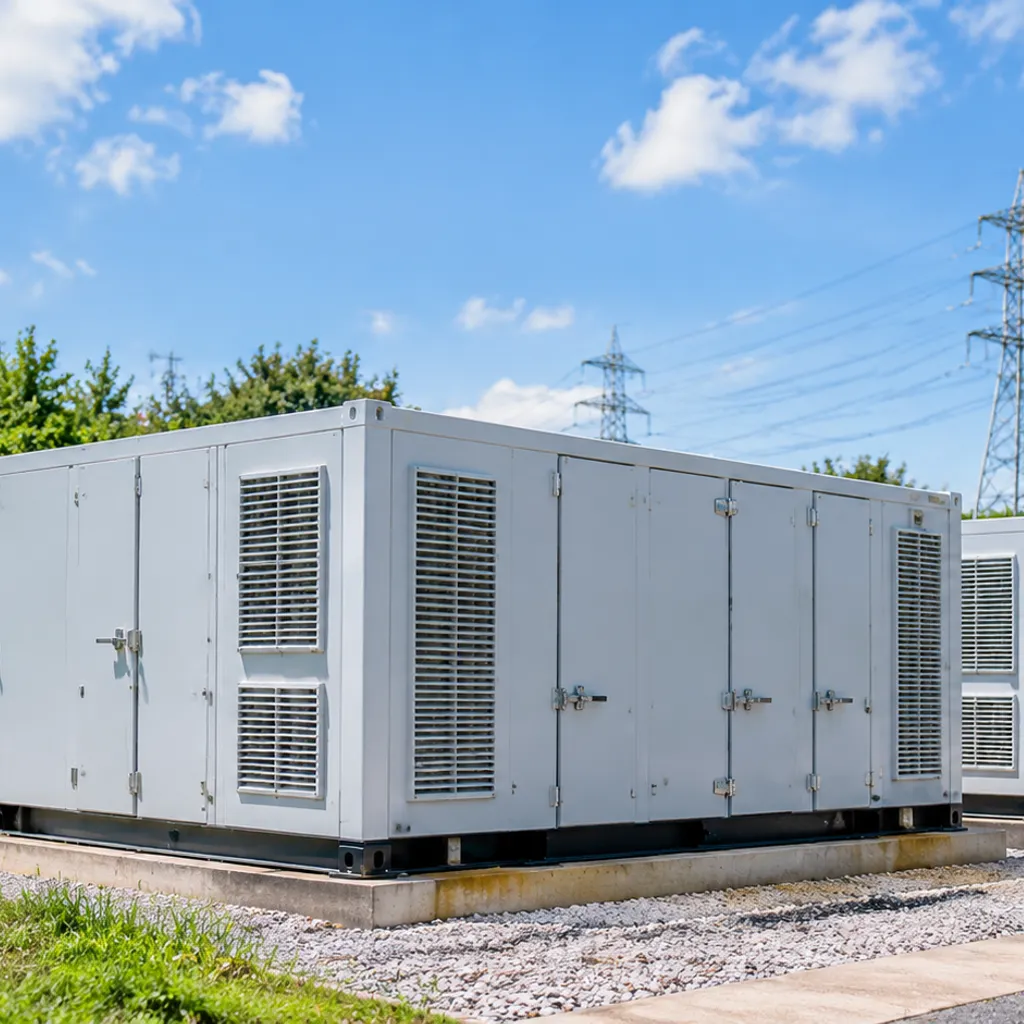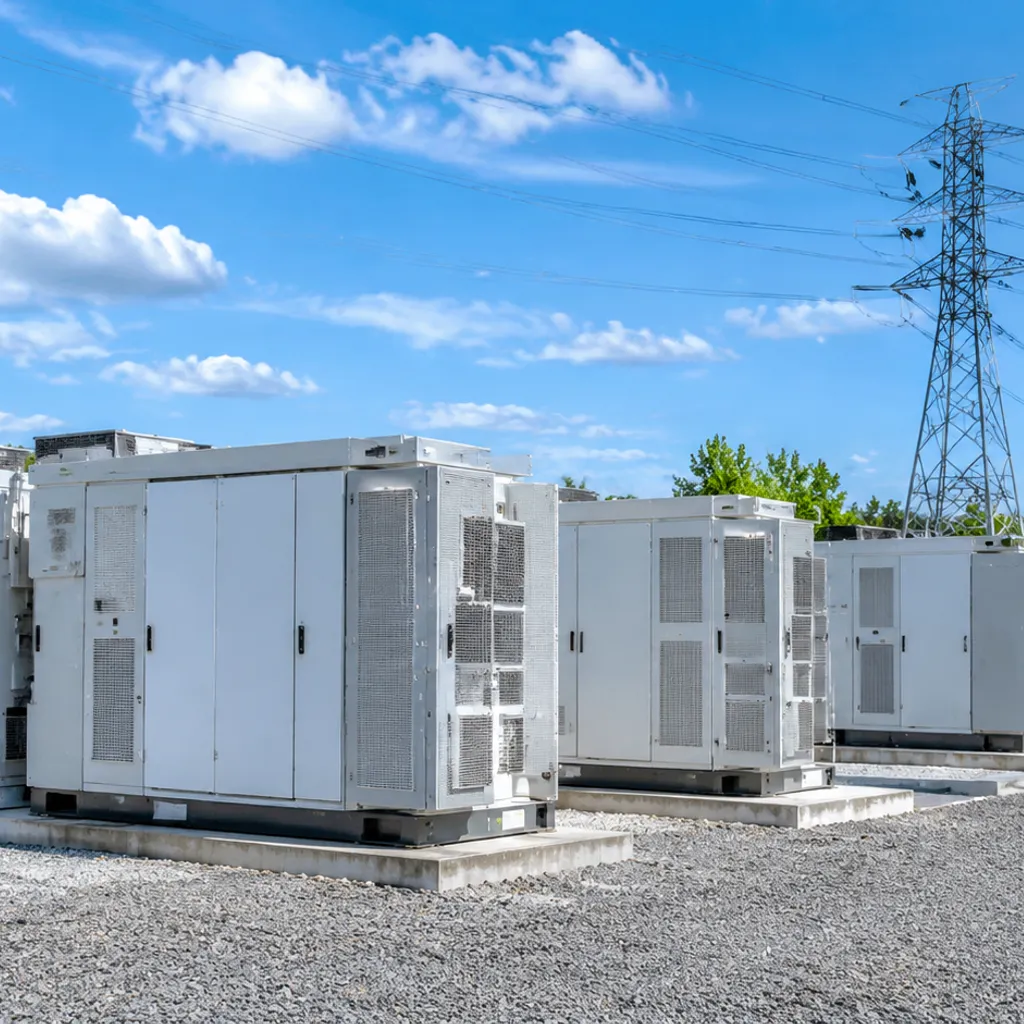

Formula details
Product Details
Overview
How Parallel Scalability Works: Grow From 7 kWh Without Rewiring
Plug-and-Play Capacity Expansion
As household appliances, EV chargers, or commercial equipment increase your daily load, you can connect multiple 5 kW / 7 kWh units in parallel to scale storage smoothly—from 7 kWh to 14 kWh, 21 kWh, and beyond.
- Zero Infrastructure Overhaul: Add new battery modules directly to your existing setup without replacing your inverter or rewiring main distribution panels.
- Matched Power & Capacity: Scaling in parallel boosts both usable energy storage and available output capability to match growing peak demand.
Automated Cell Balancing & SOC Synchronization
Mixing new lithium packs with older ones often triggers dangerous circulating currents and uneven wear. Our proprietary 3-tier Battery Management System (BMS) eliminates that risk automatically:
- Bidirectional Active Balancing: Actively equalizes voltage across cells to prevent capacity bottlenecks and protect long-term pack health.
- Real-Time SOC Synchronization: Monitors State of Charge (SOC) and State of Health (SOH) across every parallel unit so newly added modules integrate cleanly with existing packs.
Flexible Space-Saving Installation
Whether you are outfitting a residential garage, a utility room, or a tight commercial equipment closet, clean physical layout matters. Our modular LiFePO4 battery enclosures support straightforward parallel busbar and communication cabling, keeping installation footprint compact and serviceable for installers.
Real-World Applications & Daily Load Performance
When I size a 5 kw 7 kwh parallel battery energy storage system for a property, the first question I always get is simple: What will this actually run when the grid drops, and how much money will it save me every month? Looking at spec sheets rarely answers that clearly, so let's break down how 5 kW of continuous power and 7 kWh of storage translate into everyday performance across backup, solar self-consumption, and bill reduction.
Uninterrupted Whole-Home & Critical Load Backup (<10ms Failover)
Grid outages rarely happen at convenient times, and even a two-second flicker can reboot routers, interrupt remote work, or trip sensitive medical equipment. Our system delivers a <10ms seamless switchover—fast enough that computers, Wi-Fi routers, and home electronics stay powered without a single blink.
With 5 kW of continuous output and 7 kWh of usable energy per module, a single low-voltage energy storage system for solar backup comfortably handles essential daily circuits during a blackout:
- Refrigeration & Kitchen Essentials: Keeps a standard refrigerator/freezer running continuously (~150W–200W average draw) for well over 24 hours alongside intermittent microwave or coffee maker bursts.
- Connectivity & Home Office: Powers Wi-Fi routers, modems, laptops, and LED lighting across an entire home or small office for days on minimal draw.
- Medical & Critical Devices: Provides reliable, clean backup power for CPAP machines, oxygen concentrators, or security systems overnight.
- Intermittent Heavy Loads: Supports short-cycle sump pumps or small window AC units—and when you parallel two or three 7 kWh units together, you scale both runtime and surge headroom to cover larger central HVAC zones.
Solar Self-Consumption & Off-Grid Independence
If you already have rooftop panels, sending excess midday solar back to the utility for pennies per kilowatt-hour leaves real money on the table. Instead of exporting surplus generation, a 7kWh LiFePO4 battery pack captures that clean energy during peak afternoon sun and discharges it once the sun goes down.
By storing daytime surplus in a lithium battery energy storage system for solar applications, you can achieve 90%+ solar self-consumption. Your evening cooking, lighting, and entertainment run directly off stored solar power, dramatically cutting your reliance on grid imports and keeping your system charging independently during multi-day utility outages.
Time-of-Use (TOU) Peak Shaving & Bill Reduction
Even without solar panels, utility rate structures with steep Time-of-Use (TOU) pricing make battery storage a smart financial tool. Our integrated Energy Management System (EMS) automates daily charge and discharge schedules based on your local utility tariff windows:
| Operating Window | System Action | Financial & Grid Impact |
|---|---|---|
| Off-Peak Hours (Overnight) | Charges the 7 kWh battery bank from the grid at the lowest utility rate | Locks in low-cost energy reserves before morning demand spikes |
| Mid-Peak Hours | Holds charge or supplements solar generation dynamically | Prevents unnecessary battery cycling during moderate tariff periods |
| On-Peak Hours (Late Afternoon / Evening) | Discharges stored energy to power household or commercial loads | Avoids expensive peak utility rates and reduces monthly demand charges |
For light commercial spaces and residences facing punitive evening rates, applying proven <a href="https://percentecenergy.com/what-are-the-benefits-of-peak-shaving-for-lower-energy-costshttps://percentecenergy.com/what-are-the-benefits-of-peak-shaving-for-lower-energy-costs/">peak shaving strategies to lower energy costs turns a 5kW hybrid solar energy storage system into an active bill-cutting asset—delivering consistent daily savings while keeping reserve capacity ready for unexpected blackouts.
Engineering, Battery Chemistry & Multi-Layer Safety
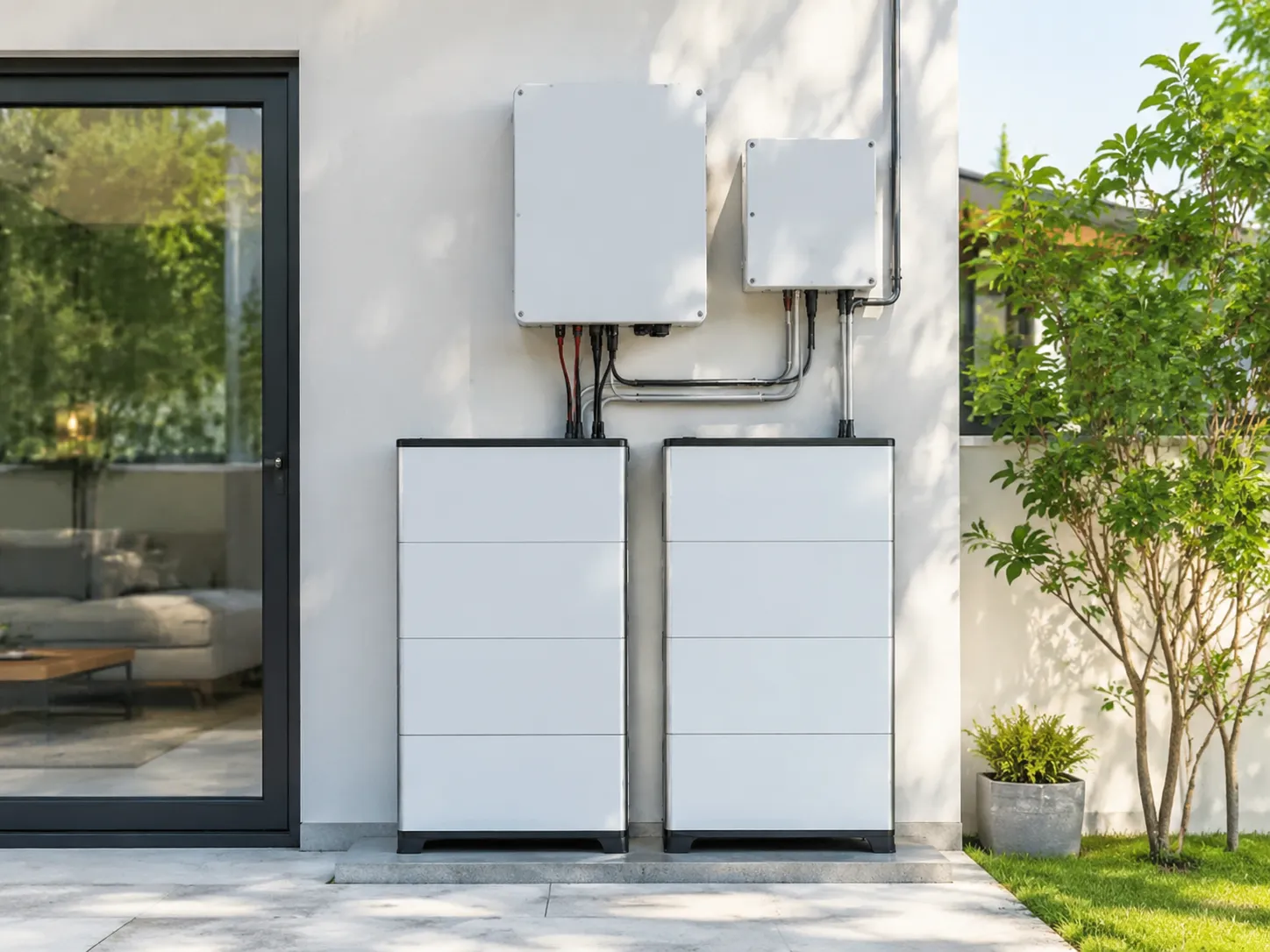
When you put a 5 kw 7 kwh parallel battery energy storage system inside a home, garage, or commercial utility room, safety and lifespan come before everything else. At Percentec Energy, we build our modular lithium iron phosphate battery architecture around industrial-grade protection so you get steady daily cycling without thermal risk.
LiFePO4 (LFP) Chemistry Built for 6,000+ Cycles
We use Lithium Iron Phosphate (LiFePO4) cells rather than volatile cobalt-based chemistries. LFP offers superior thermal stability and handles deep daily cycling without rapid capacity fade.
- 6,000+ Cycle Lifespan: Rated for at least 6,000 cell cycles, giving your 7kWh LiFePO4 battery pack over a decade of reliable daily charge and discharge service.
- Cobalt-Free Thermal Stability: Resists overheating under heavy continuous loads and high ambient temperatures.
- Long-Term Value: Lower degradation means predictable usable capacity year after year. For a closer look at cell durability, see our breakdown of https://percentecenergy.com/lithium-iron-phosphate-battery-https://percentecenergy.com/lithium-iron-phosphate-battery-system-safety-and-cycle-life/">lithium iron phosphate battery system safety and cycle life.
Intelligent 3-Tier BMS & Cloud-Edge EMS Monitoring
A battery pack is only as reliable as the electronics managing it. Every parallel solar battery storage system we engineer combines a self-developed 3-tier Battery Management System (BMS) with cloud-edge Energy Management System (EMS) telemetry.
- Real-Time Cell Telemetry: Tracks voltage, current, State of Charge (SOC), State of Health (SOH), and temperature down to the cell level.
- Bidirectional Active Balancing: Continuously equalizes energy between cells to prevent weak cells from bottlenecking your scalable battery energy storage bank.
- Remote OTA Updates & Predictive Maintenance: Cloud-edge diagnostics catch anomalies early and push Over-The-Air (OTA) firmware improvements without requiring a site visit.
Multi-Layer Protection & International Safety Certifications
Our multi-tier protection architecture guards against overcurrent, overvoltage, short circuits, and early off-gas events, backed by pack-level fire suppression design and smart thermal management. Every system is engineered to meet strict global BESS protection and safety requirements and standards:
- UL 1973 & UL 9540A: Tested for stationary battery safety and thermal runaway fire propagation resistance.
- IEC 62619 & CE: Certified for international industrial and commercial energy storage compliance.
- UN 38.3 & ISO 9001: Verified for safe global transport and manufactured under certified quality management systems.
Inverter Compatibility & System Integration
Hybrid DC-Coupled & AC-Coupled Retrofit Support
Whether you are starting from scratch or upgrading an older solar array, the system adapts to your electrical layout:
- DC-Coupled Hybrid Installations: Pairs directly with compatible 5 kW hybrid solar inverters on new builds, maximizing charging efficiency straight from your rooftop PV panels.
- AC-Coupled Retrofits: Connects alongside existing grid-tied PV inverters so you can add scalable home battery backup without rewiring your solar strings or voiding inverter warranties.
- Seamless Grid & Island Transitions: Works alongside smart power inverter architectures to deliver less than 10ms switchover during grid outages, keeping critical circuits running uninterrupted.
Open Communication Protocols (CAN / Modbus TCP)
Installers and EPC teams hate locked ecosystems that require proprietary gateways just to read basic battery telemetry. Our built-in 3-tier Battery Management System (BMS) speaks standard industrial languages right out of the box:
- Direct Inverter Handshakes: Native CAN support ensures real-time state-of-charge (SOC), voltage, and charge-current limits sync automatically with compatible inverters.
- SCADA & Microgrid Integration: Built-in Modbus TCP and open APIs allow direct connection to third-party energy management platforms, building automation, or an advanced grid-forming inverter battery energy storage system for multi-source orchestration.
- Remote Diagnostics: Cloud-edge telemetry provides installers and facility operators with live cell-level health monitoring and Over-The-Air (OTA) firmware updates without rolling a truck.
Technical Specifications — Percenec Energy 5 kW / 7 kWh Parallel BESS
When I size a 5 kw 7 kwh parallel battery energy storage system for a site, I look straight at the electrical thresholds and safety ratings before anything else. Every unit is engineered around automotive-grade LiFePO4 chemistry and open communication protocols, sharing the same core safety standards and modular DNA as our larger modular battery energy storage system for scalable power.
Because site layouts vary, mechanical dimensions, surge capacity, and maximum parallel unit counts are finalized during our engineering review. Below is the baseline technical profile for the 5kW inverter 7kWh battery configuration.
Electrical & Power Parameters
| Specification | Rating / Value |
|---|---|
| Rated AC Output Power | 5 kW |
| Peak Surge Power | Confirmed per inverter pairing & load profile |
| Nominal Battery Energy | ~7 kWh per module |
| Usable Capacity | High-DoD LiFePO4 architecture (exact kWh per datasheet) |
| Nominal Voltage Architecture | Low-Voltage (LV) 51.2V architecture |
| Round-Trip Efficiency | High-efficiency conversion (verified on project spec sheet) |
| Grid Failover / Transfer Time | Less than 10ms seamless switchover |
Parallel Scalability & Communication
- Parallel Expansion: Built for seamless parallel connection so you can stack storage capacity as energy demands grow without overhauling existing infrastructure. Maximum parallel unit limits depend on site switchgear and engineering design.
- Communication Interfaces: Native support for CAN, RS485, Modbus TCP, and open APIs for direct integration with third-party inverters, SCADA, and EMS platforms.
- Coupling Modes: Supports both DC-coupled hybrid solar setups and AC-coupled retrofits for existing PV installations.
Battery Chemistry, Lifespan & Compliance
| Category | Specification Details |
|---|---|
| Cell Chemistry | Lithium Iron Phosphate (LiFePO4) |
| Cycle Life | 6,000+ cell cycles |
| Operating Temperature Range | Engineered for wide ambient operation (exact range per model datasheet) |
| Cooling Method | Intelligent thermal management (air or liquid cooling options by configuration) |
| Dimensions (W × H × D) & Weight | Provided in final mechanical drawing upon sizing |
| Ingress Protection (IP Rating) | Indoor / outdoor enclosure options (confirmed per installation environment) |
| Safety & Quality Certifications | UL 1973, UL 9540A, IEC 62619, UN 38.3, CE, ISO 9001 |
| Warranty Terms | Backed by 24/7 global O&M support and project-specific warranty agreements |
What’s Included & Turnkey Deployment Support
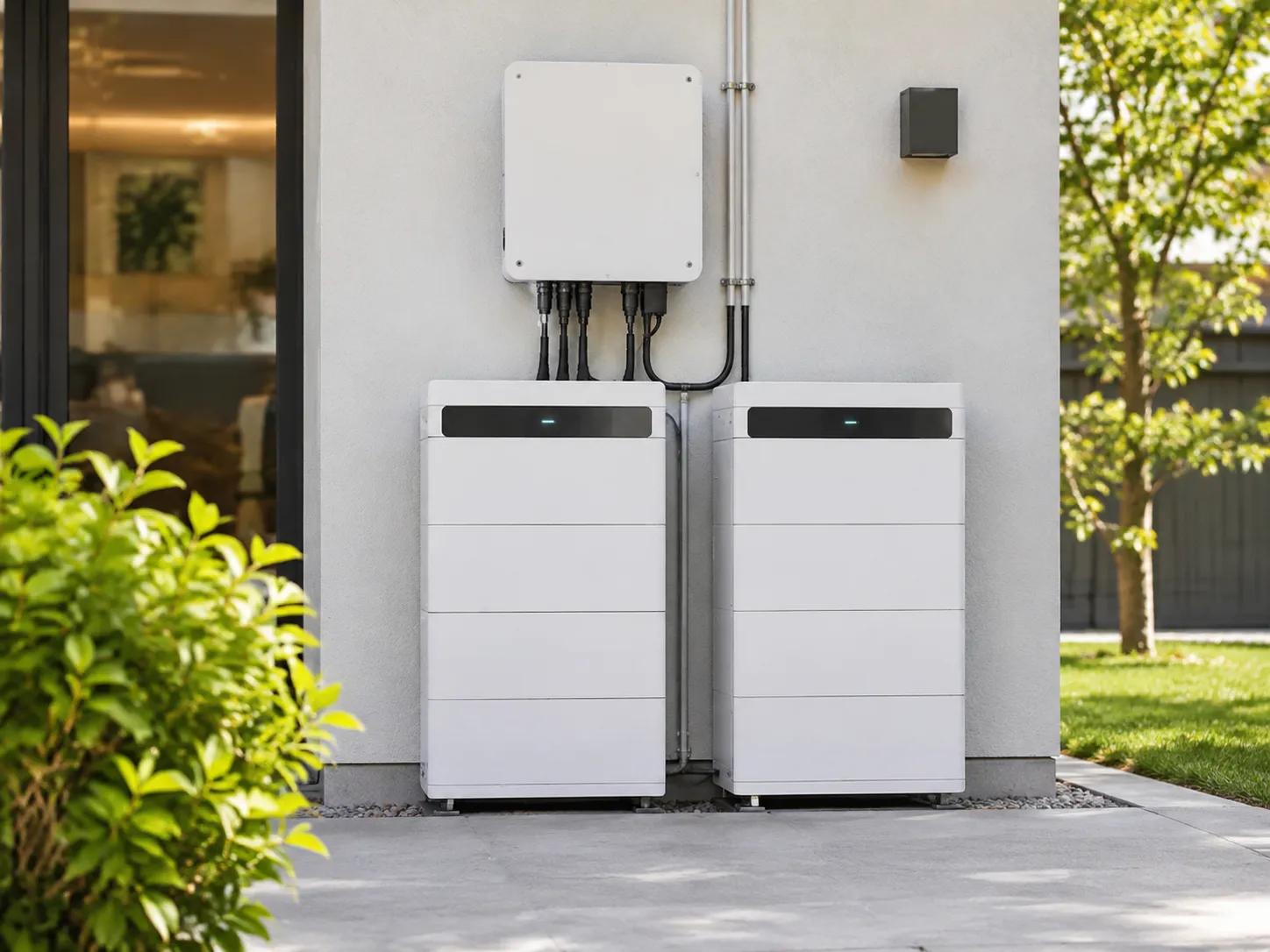
Standard Package Contents for Your 5 kW / 7 kWh Parallel Battery Energy Storage System
When you order a 5 kw 7 kwh parallel battery energy storage system, we ship everything needed to get the hardware mounted, wired, and communicating right out of the box. You do not have to hunt down proprietary connectors or guesswork hardware on-site.
| Component | Purpose & Details |
|---|---|
| LiFePO4 Battery Module(s) | Pre-tested energy storage units built for scalable parallel connection |
| Parallel Power & Comm Cables | High-current DC busbar/power leads plus CAN and Modbus TCP/RS485 data lines |
| Mounting Hardware | Heavy-duty brackets and fasteners for secure wall or rack installation |
| Documentation Pack | Step-by-step user and installer manuals covering wiring diagrams and safety checks |
Percentec Energy Engineering & 24/7 O&M Support
Buying hardware is only half of a reliable storage project—getting the sizing and commissioning right is what protects your return on investment. At Percentec Energy, we back every parallel solar battery storage system with single-source engineering accountability from day one:
- Pre-Sale Load Sizing & ROI Modeling: Our engineers review your daily load profile and peak demand targets to help determine the right initial capacity and expansion path, aligning with proven https://percentecenergy.com/energy-storage-system-architecture-https://percentecenergy.com/energy-storage-system-architecture-and-design-guide/">energy storage system architecture and design best practices.
- Commissioning & Grid Integration Guidance: We support installers during field deployment, inverter protocol handshakes, and system optimization to ensure smooth grid connection and seamless failover performance.
- 24/7 Global Technical Support: Our operations and maintenance team provides round-the-clock remote monitoring diagnostics, over-the-air (OTA) firmware updates, and lifecycle troubleshooting to keep system availability at 99.9%.
Frequently Asked Questions (FAQ)
How many 5 kW / 7 kWh battery units can I connect in parallel?
I engineer our modular battery systems for flexible parallel expansion, allowing you to link multiple units together without overhauling your core electrical infrastructure. Because the exact maximum parallel unit count depends on your specific inverter capacity and site load profile, our engineering team confirms the final configuration during pre-sale system sizing. If you are planning a scalable residential or light-commercial bank, you can also explore our https://percentecenergy.com/product/48v-5kwh-to-5https://percentecenergy.com/product/48v-5kwh-to-50kwh-battery-energy-storage-system/">48V 5kWh to 50kWh battery energy storage system architecture for multi-unit setups.
Can I add more 7 kWh battery modules a year or two after initial installation?
Yes. Our modular architecture is built so you can expand your storage capacity as your energy demands grow, rather than overspending upfront. Our integrated 3-tier Battery Management System (BMS) uses bidirectional active balancing and real-time State of Charge (SOC) synchronization to manage new and existing battery packs safely in parallel. Reach out to our engineers before expanding so we can verify firmware alignment and busbar sizing for your existing setup.
What appliances can a 5 kW / 7 kWh battery system run during a power outage?
With a less than 10ms switchover time, the system transitions to backup power so fast that sensitive electronics never reboot. A 5 kW continuous output handles essential daily loads simultaneously—such as refrigerators, LED lighting, Wi-Fi routers, computers, and small kitchen appliances—while 7 kWh of storage keeps those core circuits running through overnight outages. Heavy inductive loads like central air conditioners or electric water heaters require a custom load analysis to determine exact runtime.
Is the Percentec Energy 7 kWh battery compatible with third-party 5 kW hybrid inverters?
Yes. I designed our energy storage systems around open communication standards so installers are never locked into a single hardware ecosystem. The battery BMS communicates seamlessly with our Smart Power Inverters as well as third-party hybrid inverters, SCADA platforms, and microgrid controllers via Modbus TCP, CAN, and open APIs.
How long does it take to recharge the 7 kWh battery from solar panels or the grid?
Recharge time depends on your solar array output, inverter charge rating, and the battery's remaining State of Charge (SOC). Under normal daytime conditions with a matched 5 kW hybrid inverter and adequate rooftop PV generation, the battery bank typically recharges within a few hours of peak sunlight, helping you achieve 90%+ solar self-consumption. Grid charging speed is configurable through our Energy Management System (EMS) to match off-peak utility tariff windows.
What warranty and safety certifications come with the system?
Every battery module is built with high-stability Lithium Iron Phosphate (LiFePO4) cells rated for 6,000 or more cycles and backed by our 24/7 global technical support and O&M team. For international deployment and permitting compliance, our battery systems meet strict global safety and quality standards:
UL 1973 & UL 9540A (Stationary battery safety and thermal runaway fire propagation testing)
IEC 62619 & CE (International industrial lithium safety and European conformity)
UN 38.3 & ISO 9001 (Safe transport testing and certified quality management)