Formula details
Product Details
Overview
UL Certification Standards for Battery Energy Storage Systems
Permitting grid-scale and commercial storage projects comes down to one critical hurdle: AHJ (Authority Having Jurisdiction) sign-off. When battery energy storage system suppliers lack rigorous, documented UL certifications, projects face redesigns, stalled interconnections, and inflated insurance premiums. We build our equipment around full-spectrum safety compliance, validating every layer from bare cell chemistry to the utility interconnection interface.
UL 9540 System Safety Certification for Complete BESS Units
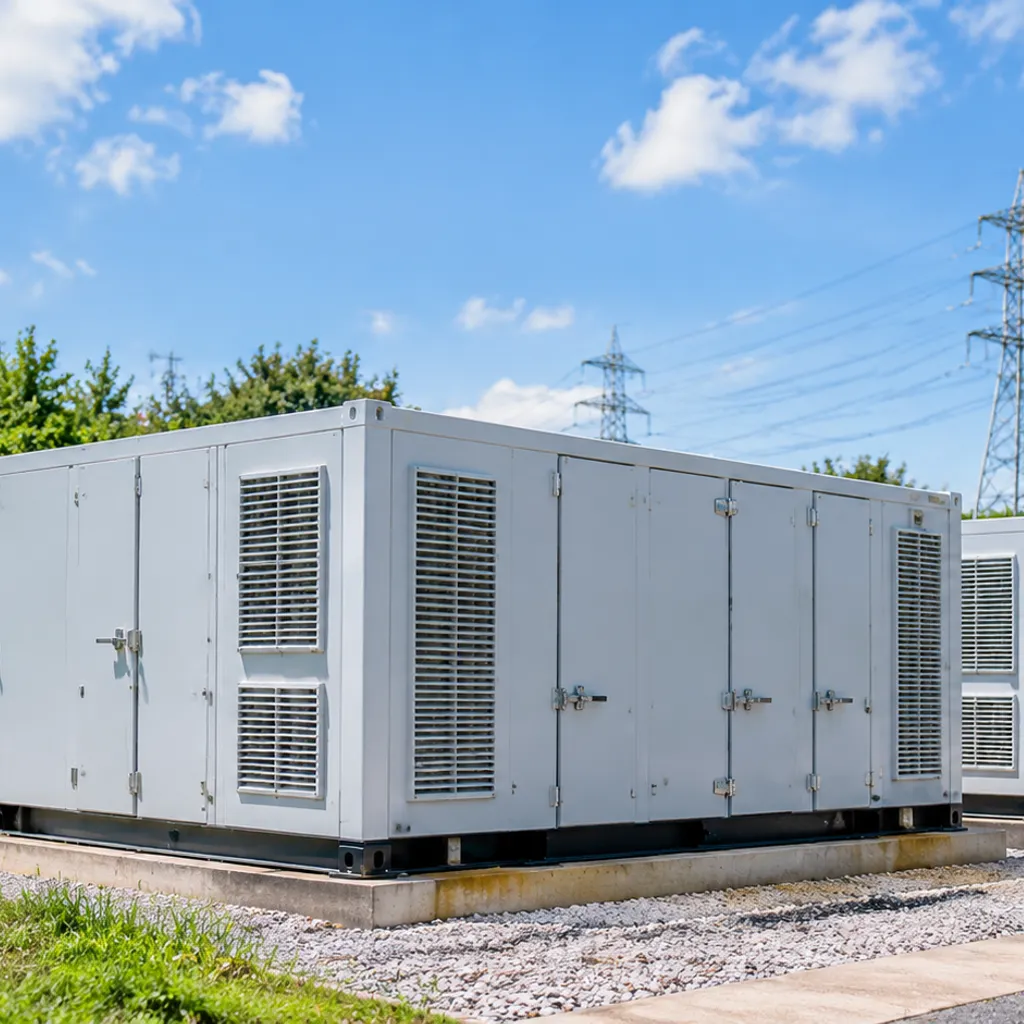
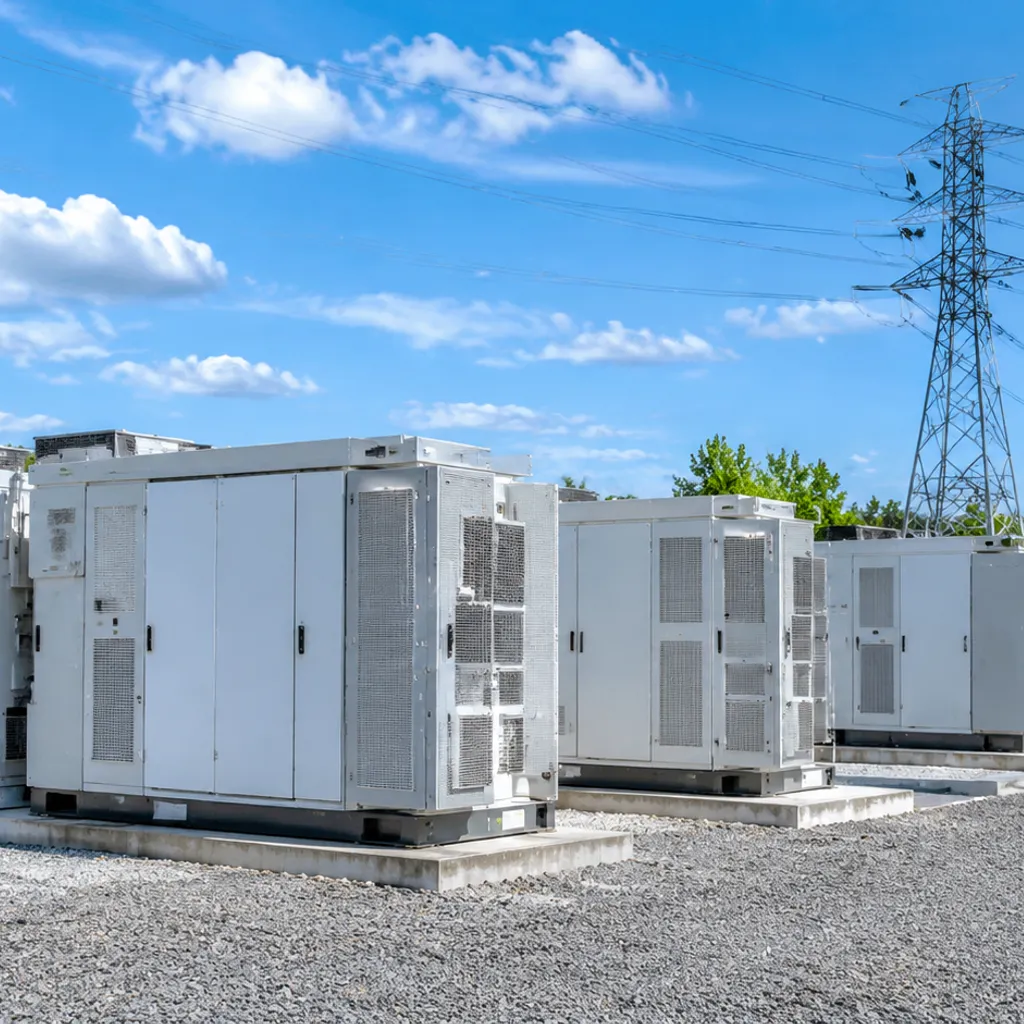
UL 9540 is the benchmark system-level safety standard for battery energy storage systems (BESS). Rather than evaluating components in isolation, this standard reviews the entire integrated equipment package as a unified, operating unit:
- Integrated Architecture: Evaluates the interaction between the battery packs, battery management system (BMS), power conversion system (PCS), liquid cooling loops, and structural enclosures.
- Safety Interlocks: Validates automatic emergency shutdown sequences, loss-of-coolant handling, high-voltage disconnects, and isolation monitoring.
- Field Deployment Ready: A certified UL 9540 system fast-tracks local building and electrical code approvals, eliminating the need for expensive, time-consuming on-site field evaluations.
UL 1973 Compliance for Stationary Battery Packs and Modules
Before building a complete container, the energy core must pass UL 1973. This standard validates the safety of stationary battery packs and modules under severe electrical, mechanical, and thermal abuse.
- Abuse Tolerances: Packs undergo short-circuit, overcharge, over-discharge, drop, impact, and high-ambient temperature testing without venting or igniting.
- BMS Redundancy: Audits hardware and firmware fail-safes to ensure secondary and tertiary protections execute if primary sensors fail.
- Environmental Integrity: Validates corrosion resistance, seal integrity, and operational resilience across wide operating temperatures.
UL 9540A Thermal Runaway Fire Propagation Test Reporting
UL 9540A is not a simple pass/fail certification; it is an exhaustive fire test method that generates actionable data for fire marshals and AHJs. We use full-scale UL 9540A testing to document exactly how our equipment behaves in the event of thermal runaway:
- Four-Tier Testing Process: Data collection occurs at the Cell, Module, Unit, and Installation levels to measure heat release rates (HRR), off-gas composition, and deflagration risks.
- Flame Propagation Prevention: Confirms that a thermal event triggered in an individual cell does not propagate across the module or migrate to adjacent racks.
- Siting Footprint Optimization: Solid UL 9540A test reports give local fire departments the empirical data needed to approve reduced unit-to-unit spacing and zero-lot-line setback waivers.
UL 1741 SB Grid Interconnection and NFPA 855 Installation Standards
Safety extends beyond fire suppression; storage hardware must safely couple with the utility grid and comply with regional installation codes.
| Standard | Focus Area | Critical Compliance Requirement |
|---|---|---|
| UL 1741 SB | Inverter & PCS Interconnection | Smart inverter grid support, voltage/frequency ride-through, and IEEE 1547-2018 compliance for front-of-the-meter and microgrid stability. |
| NFPA 855 | Installation & Asset Siting | Enforces maximum 50 kWh lead-in caps for unlisted modules, maximum 600 kWh unit groupings, and structural 3-foot (0.9 m) boundary spacing based on UL 9540A results. |
| NFPA 68 / 69 | Deflagration & Explosion Relief | Passive burst panels and engineered venting systems configured to exhaust combustible off-gases safely away from emergency personnel. |
Deploying fully certified equipment allows our partners to cut weeks off municipal approval cycles, satisfy utility interconnection mandates, and secure competitive financing and underwriting terms from day one.
How to Vet Battery Energy Storage System Suppliers with UL Certification
Verifying Third-Party Testing Credentials and Certifications
A vendor's self-declaration of compliance is never enough for commercial deployment. We require verified documentation issued directly by a Nationally Recognized Testing Laboratory (NRTL) such as UL Solutions, Intertek (ETL), or CSA Group.
- Check the NRTL Directory: Always cross-reference the manufacturer’s certificate file number in the public online directory of the issuing test lab.
- Confirm the Standard Edition: Ensure listings reflect current safety editions, covering full UL 9540 certified energy storage system builds rather than solely the battery cells under UL 1973.
- Review Full Test Reports: Obtain the complete, unredacted UL 9540A thermal runaway test reports, which detail cell-level, module-level, and unit-level fire propagation data.
Navigating AHJ Permitting and Local Fire Codes
Authorities Having Jurisdiction (AHJs) and local fire marshals will halt unauthorized installations if equipment lacks clear safety engineering. Compliance with NFPA 855 and local fire codes relies on exact documentation proving that setbacks, deflagration venting, and water supply calculations conform to tested performance. We supply comprehensive submittal packages—including emergency response plans (ERPs) and hazardous mitigation analyses (HMAs)—so your local inspectors get precisely what they demand without back-and-forth revisions.
Assessing Bankability, Tier-1 Status, and Insurance Qualification
Securing debt financing and insurability demands a proven manufacturing pedigree. Top-tier underwriters look for balance sheet resilience and rigorous product quality control.
| Vetting Criteria | High-Risk Supplier Profile | Bankable Energy Storage System Supplier Profile |
|---|---|---|
| Testing Scope | Partial cell testing; no full enclosure report | Full UL 9540 system listing and complete UL 9540A unit reports |
| Insurability | Non-standard components; high carrier deductibles | Underwritten by global insurance carriers; approved loss prevention data |
| Field Track Record | < 100 MWh deployed; limited operational data | Multi-gigawatt-hour operational footprint with verified uptime metrics |
| Warranty Backing | Small balance sheet; unrated parent firm | Investment-grade financial backing with parent-company guarantees |
Turnkey Hardware Supply vs. Multi-Vendor Integration Risks
Piecing together a BESS from multiple vendors creates finger-pointing when technical faults emerge. Sourcing inverters from one provider, racks from another, and an off-the-shelf energy management system introduces severe integration risks during site commissioning.
Choosing a dedicated turnkey BESS integration model minimizes project liability. When we supply fully integrated containerized systems, our engineering team manages the complete hardware and software stack. This streamlined approach simplifies battery energy storage EPC procurement and contractor scopes, aligning power conversion, battery management, and fire safety systems under a single accountable warranty.
Core Hardware Architecture and Engineering Specifications
When evaluating battery energy storage system suppliers UL certification credentials are only part of the equation; the physical hardware design dictates your long-term operating costs and uptime. We build our systems to eliminate the thermal, mechanical, and electrical headaches that EPCs and project developers face in utility and commercial deployments.
LFP Chemistry for Safety and Cycle Life
We standardize exclusively on tier-1 prismatic Lithium Iron Phosphate (LFP) cells. Compared to conventional NMC chemistries, LFP eliminates the risk of rapid oxygen release during severe stress events. Our cells deliver an exceptionally stable lifecycle, maintaining high capacity retention across thousands of standard duty cycles. Learn more about how cell chemistry dictates project longevity in our guide to lithium iron phosphate battery system safety and cycle life.
Modular Containerized and Walk-in Enclosures
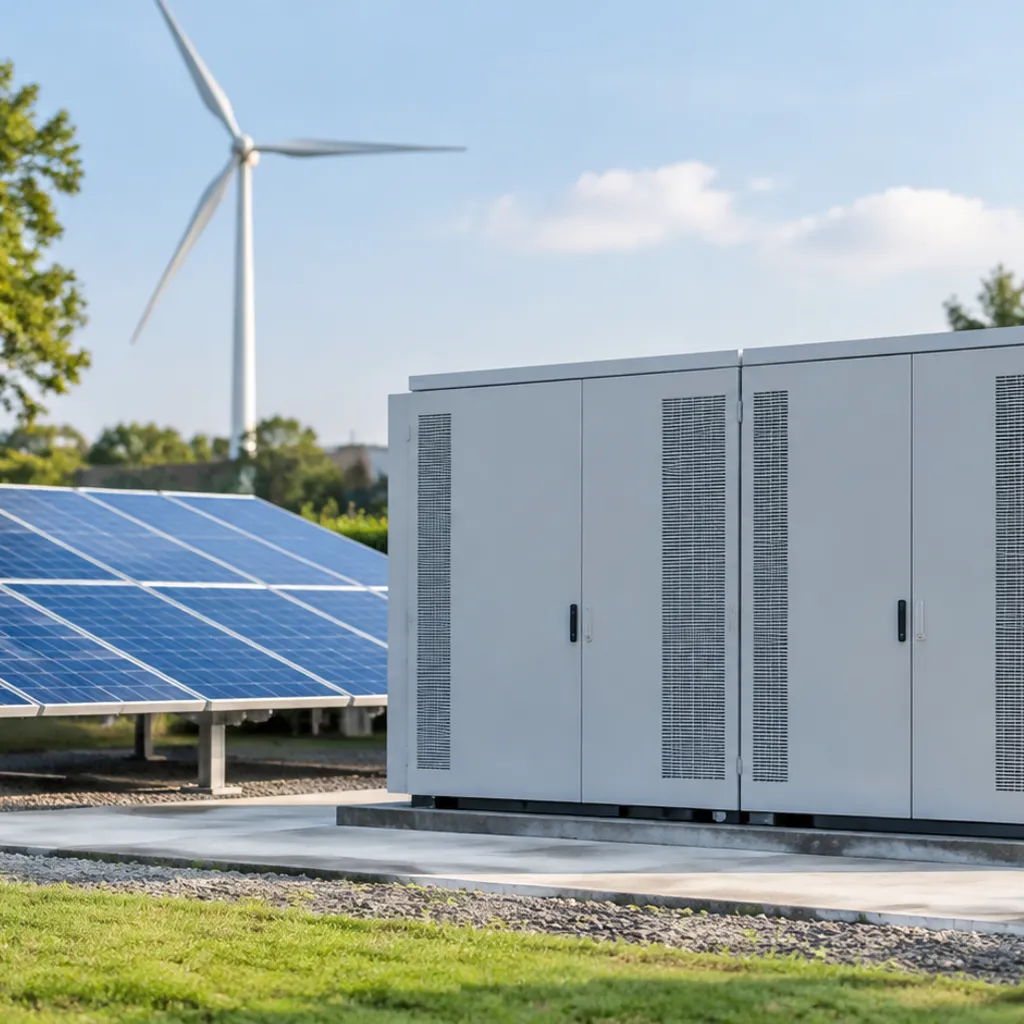
We package our hardware into pre-engineered, factory-assembled enclosures designed for harsh outdoor environments. Whether you need compact modular footprints for space-constrained industrial sites or ISO-standard layouts for multi-megawatt setups, our configurations cut civil engineering costs and speed up on-site interconnection. For large solar-plus-storage or grid-firming projects, we supply dedicated utility-scale battery storage containers for solar and wind ready for rapid crane placement.
Closed-Loop Liquid Cooling Thermal Management
Air cooling cannot maintain uniform temperatures across multi-MWh deployments. We utilize closed-loop liquid cooling plates routed across each module to keep cell-to-cell temperature deltas under 3°C.
- Uniform heat extraction: Prevents hot spots that accelerate battery degradation.
- Parasitic load reduction: Draws up to 20% less auxiliary power than traditional HVAC-chilled air systems.
- Extended operating ranges: Delivers full output from -30°C to 55°C ambient conditions.
System Specifications and Performance Metrics
Our high-voltage DC architectures optimize round-trip efficiency while providing flexible duration profiles ranging from 0.5C rapid-dispatch grid stabilization to 0.25C long-duration energy shifting.
| Engineering Parameter | Standard Specification |
|---|---|
| Cell Chemistry | Prismatic Lithium Iron Phosphate (LiFePO4) |
| DC Bus Voltage Range | 1000V DC to 1500V DC |
| C-Rate Configurations | 0.25C (4-Hour), 0.5C (2-Hour), 1.0C (1-Hour) |
| Round-Trip Efficiency (RTE) | ≥ 88% to 92% (AC to AC system-level) |
| Enclosure Ingress Rating | NEMA 3R / NEMA 4X (IP55 to IP66 outdoor rated) |
| Cooling Architecture | Closed-loop liquid cooling with variable-speed pumps |
| Cycle Life Design | 6,000 to 8,000 cycles @ 80% DoD, 25°C |
Multi-Tiered Safety Systems and Thermal Runaway Prevention
Thermal runaway is the single biggest risk factor for facility managers, EPCs, and local authorities having jurisdiction (AHJs). As leading battery energy storage system suppliers with UL certification, we build defense-in-depth safety directly into our enclosure architecture. Rather than relying on a single failsafe, our platforms stop thermal incidents before they start, strictly aligning with rigorous BESS protection and safety requirements standards across every layer of the installation.
Three-Level BMS Cell and Rack Protection
Our smart battery management system (BMS) operates across three distinct hardware tiers to prevent overvoltage, deep discharge, short circuits, and localized hotspots:
- Cell-Level Monitoring (BMU): Dedicated sensors track voltage and surface temperature for every individual cell, catching micro-deviations before they escalate.
- Rack-Level Control (RBMS): Manages strings of modules, balances charge states dynamically, and executes localized contactor disconnects in milliseconds if an anomaly appears.
- System-Level Master (SBMS): Coordinates with the central power conversion system (PCS) and plant controller, enforcing global operating limits and executing emergency stops (E-stops) automatically.
Early Gas Detection for Off-Gas Indicators
Fires do not happen instantaneously. Battery cells vent precursor gases minutes before surface temperatures spike into uncontrolled thermal runaway.
| Sensor Type | Target Gas / Metric | Response Time | Action Triggered |
|---|---|---|---|
| Off-Gas Detection | Volatile Organic Compounds (VOCs) | < 5 seconds | Warning alert, HVAC ramp-up |
| Hydrogen (H2) Sensors | Flammable gas concentration | < 3 seconds | String isolation, rack shutdown |
| Carbon Monoxide (CO) | Incomplete combustion byproducts | < 5 seconds | Full system trip, alarm dispatched |
Automated Fire Suppression: Clean Agents and Aerosols
When thresholds cross critical safety margins, our integrated fire suppression systems engage instantly. We equip our enclosures with automated clean agent flooding systems (such as Novec 1230 / FK-5-1-12) or condensed aerosol units. These agents flood the protected zones within ten seconds, cutting thermal reactions at the molecular level without water damage or conductive residue. For secondary defense, integrated dry-pipe water deluge systems provide continuous cooling if external fire services connect to the manifold.
NFPA 68 and NFPA 69 Deflagration Venting
To safeguard personnel and adjacent assets, physical containment must account for overpressure risks. Our enclosures incorporate deflagration mitigation built to NFPA 68 and NFPA 69 specifications:
- Pressure Relief Panels: Calibrated mechanical burst panels vent explosive overpressures upward away from maintenance walkways and surrounding equipment.
- Exhaust Ventilation: Spark-proof ventilation exhausts accumulated combustible gases, preventing flammable mixtures from reaching the lower flammability limit (LFL).
- Structural Blast Attenuation: Reinforced steel outer walls retain integrity during a worst-case cell venting event, satisfying fire marshals and accelerating your site approvals.
Application Profiles and System Sizing Options
Scalable BESS Use Cases
- Behind-the-Meter (C&I): We help businesses lower operational costs through peak shaving and demand charge management, effectively flattening load profiles.
- Front-of-the-Meter: Our utility-scale storage enables capacity firming, frequency regulation, and seamless integration for solar-plus-storage projects.
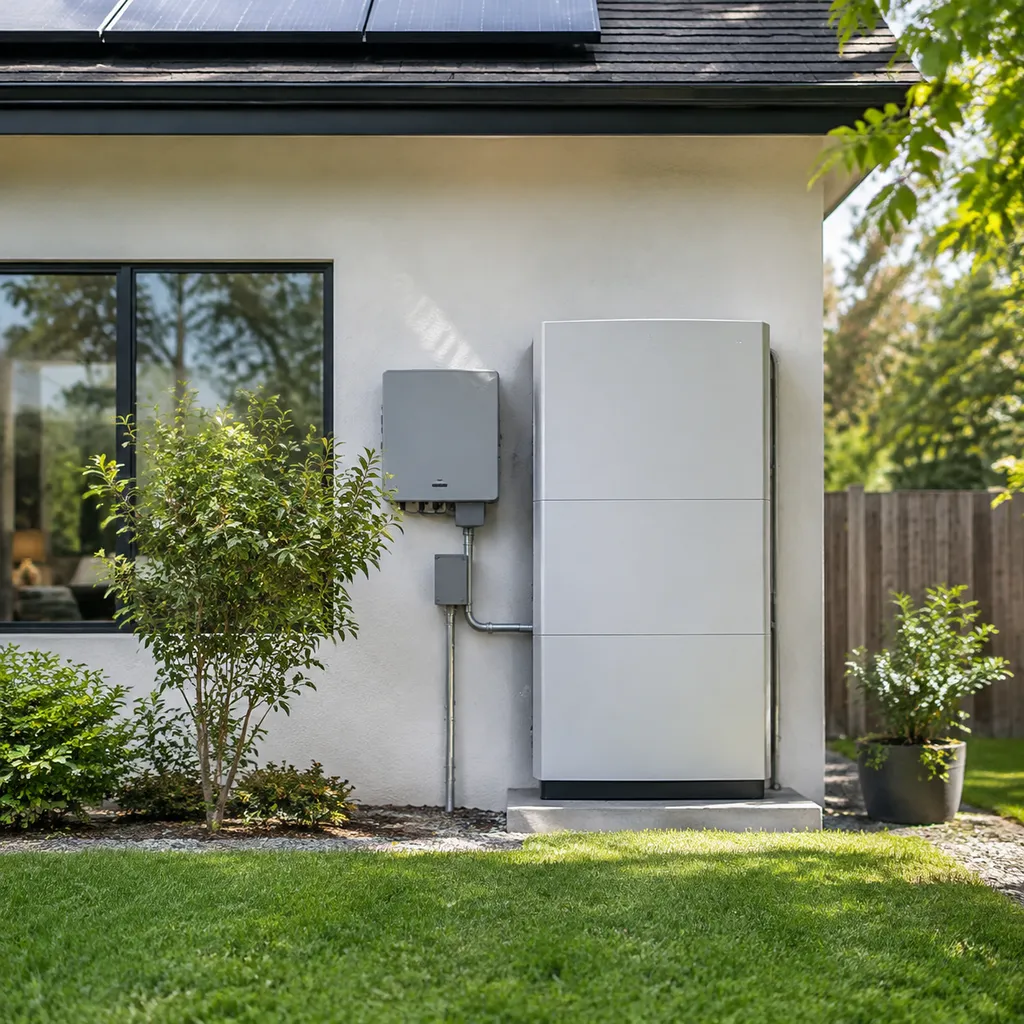
- Microgrids: We support resilience requirements including black start, islanding, and autonomous site power management.
Typical System Sizing Matrix
| Application Type | Primary Objective | Energy/Power Focus |
|---|---|---|
| C&I Peak Shaving | Cost Reduction | High Power / Medium Energy |
| Solar-Plus-Storage | Renewable Firming | Balanced Energy & Power |
| Utility Grid Services | Ancillary Services | High Power / Rapid Response |
| Microgrid Integration | Resilience | High Energy / Long Duration |
Our modular architecture ensures that whether you need to manage a facility's peak loads or provide critical grid-forming capabilities, the system footprint and capacity are right-sized for your specific project goals.
EPC Integration, Commissioning, and Warranty Assurance
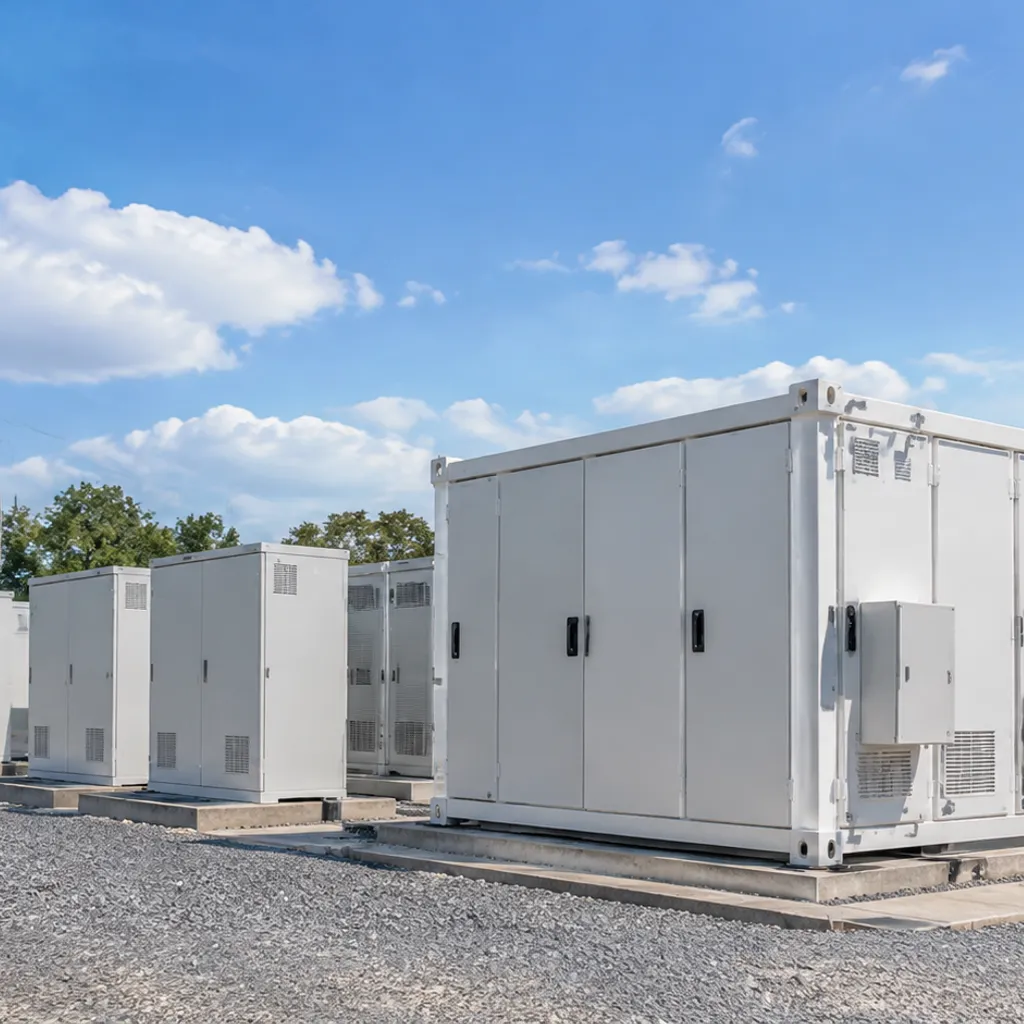
Project delays and integration failures happen when suppliers dump hardware on-site without engineering support. As a turnkey battery energy storage system supplier with UL certification, we eliminate the friction between hardware delivery and grid interconnection. We work directly with your engineering and construction teams, delivering pre-certified packages that breeze through permitting and utility sign-offs. Navigating the roles between a BESS integrator vs EPC contractor vs equipment supplier is simple when you have end-to-end technical backing from the factory floor to commercial operation.
Technical Submittals, SLDs, and Arc Flash Studies
We supply complete, stamped engineering submittal packages upfront. This eliminates guesswork for local AHJs and utility review boards:
- Single-Line Diagrams (SLD): Full three-line and single-line schematics covering DC bus layouts, inverter coupling, and medium-voltage transformer connections. You can evaluate our complete baseline layout in our battery energy storage system architecture diagram documentation.
- Arc Flash & Short Circuit Studies: NFPA 70E-compliant fault analyses and trip coordination curves calculated specifically for our containerized enclosures.
- Structural and Seismic Calculations: Stamped foundation loading data and anchoring calculations for wind, snow, and high seismic zones.
Factory Acceptance Testing (FAT) and Commissioning
Every UL 9540 certified unit undergoes rigorous multi-point validation before leaving our manufacturing facility, slashing on-site commissioning time to a matter of days.
| Phase | Milestone Scope | Validation Focus |
|---|---|---|
| FAT (Factory) | Hardware & Communications | BMS-to-PCS handshake, thermal loop pressurization, emergency stop logic, and high-voltage insulation tests. |
| SAT (On-Site) | Mechanical & Electrical Interconnect | Torque checks, coolant fluid top-off, field wiring point-to-point verification, and grounding continuity. |
| Grid Sync | Hot Commissioning | Utility protection relay testing, automated black-start ramp rates, power factor control, and full-power charge/discharge cycles. |
Long-Term Warranties and Performance Guarantees
We stand behind our field-proven hardware with bankable coverage built to satisfy lenders, tax-equity investors, and facility owners:
- 10- to 15-Year Performance Warranties: Linear degradation coverage ensuring your battery racks retain contractually committed capacity thresholds over their entire operational lifespan.
- Throughput Guarantees: Multi-megawatt-hour energy throughput warranties matched directly to your asset's duty cycles—whether performing daily peak shaving or multi-cycle microgrid balancing.
- Component-Level Backing: Direct passthrough warranties covering our UL 1973 battery modules, power conversion systems (PCS), and liquid-cooling chillers.
Predictive O&M, 24/7 NOC Monitoring, and Spare Parts
Keeping your asset generating revenue requires real-time oversight and rapid field response. Our global service infrastructure includes:
- 24/7 Network Operations Center (NOC): Continuous telemetry tracking cell-level voltages, module temperatures, off-gas sensors, and round-trip efficiency (RTE).
- Predictive AI Diagnostics: Early-fault detection flags abnormal cell impedance shifts or thermal delta variations days before a fault triggers a downtime event.
- Critical Spare Parts Hubs: Regional warehouse depots stocked with swappable BMS boards, liquid cooling pumps, contactors, and spare modules to guarantee strict mean time to repair (MTTR) service-level agreements.
Frequently Asked Questions About UL-Certified BESS
Evaluating energy storage hardware requires clarity on regulatory compliance, real-world fire testing, and regional safety mandates. As battery energy storage system suppliers with UL certification, we provide clear answers to common compliance and deployment inquiries.
What is the difference between UL 9540 and UL 9540A?
UL 9540 is a product safety standard, while UL 9540A is a standardized test method:
| Attribute | UL 9540 Certification | UL 9540A Test Method |
|---|---|---|
| Nature | System-level safety certification | Destructive fire test method |
| Outcome | Pass/Fail safety standard mark | Detailed technical data report |
| Scope | Complete system: BMS, PCS, enclosure, software | Thermal runaway behavior across 4 stages |
| Focus | Electrical, mechanical, and functional safety | Flammability limits, heat release rate, and off-gassing |
UL 9540 evaluates the complete functional safety of the paired battery, power conversion system (PCS), and controls. UL 9540A forces thermal runaway at the cell, module, unit, and installation levels to measure flame spread, venting volume, and gas composition under worst-case failures.
Why do AHJs and fire marshals require NFPA 855 compliance?
Authorities Having Jurisdiction (AHJs) and local fire departments enforce NFPA 855 to prevent catastrophic structural fires and protect emergency personnel. NFPA 855 dictates:
- Separation Distances: 3-foot minimum spacing between outdoor enclosures and nearby structures unless reduced clearances are justified by UL 9540A testing.
- Energy Capacity Limits: Threshold caps on maximum allowable quantities (MAQ) of energy stored per fire compartment.
- Fire Protection Integration: Dedicated integration between ventilation, early smoke/gas detection, deflagration venting, and water-supply infrastructure.
Without third-party test validation matching NFPA 855 requirements, local officials routinely reject installation permits for any commercial or industrial facility battery energy storage system.
Can non-certified battery systems pass municipal permitting in North America?
In virtually all North American jurisdictions, non-certified battery storage cannot pass municipal building, electrical, and fire plan reviews. Current iterations of the International Fire Code (IFC Section 1207) and National Electrical Code (NEC Article 706) explicitly require field-evaluated or factory-listed systems carrying UL 9540 marks.
Attempting to permit unlisted equipment triggers mandatory field evaluation by a Nationally Recognized Testing Laboratory (NRTL). This adds significant engineering costs, causes prolonged interconnection delays, and risks complete permit denial by local fire marshals.
How do UL certifications impact project financing and insurance rates?
Comprehensive certifications directly influence the bankability and operational expenses of stationary storage assets:
- Non-Recourse Debt Availability: Institutional lenders and tax-equity partners require UL 9540 and UL 1973 listings before closing capital facilities.
- Underwriter Acceptance: Global insurance carriers mandate certified hardware and full UL 9540A test reports before issuing property casualty or business interruption policies.
- Premium Reduction: Validated thermal runaway mitigation directly reduces annual insurance premiums and required indemnity reserves.
- Interconnection Approvals: Utilities require UL 1741 SB and compliant system listings to execute standard grid-interconnection agreements without custom review penalties.