
Formula details
Product Details
Overview
Core Residential & Light-Commercial Applications
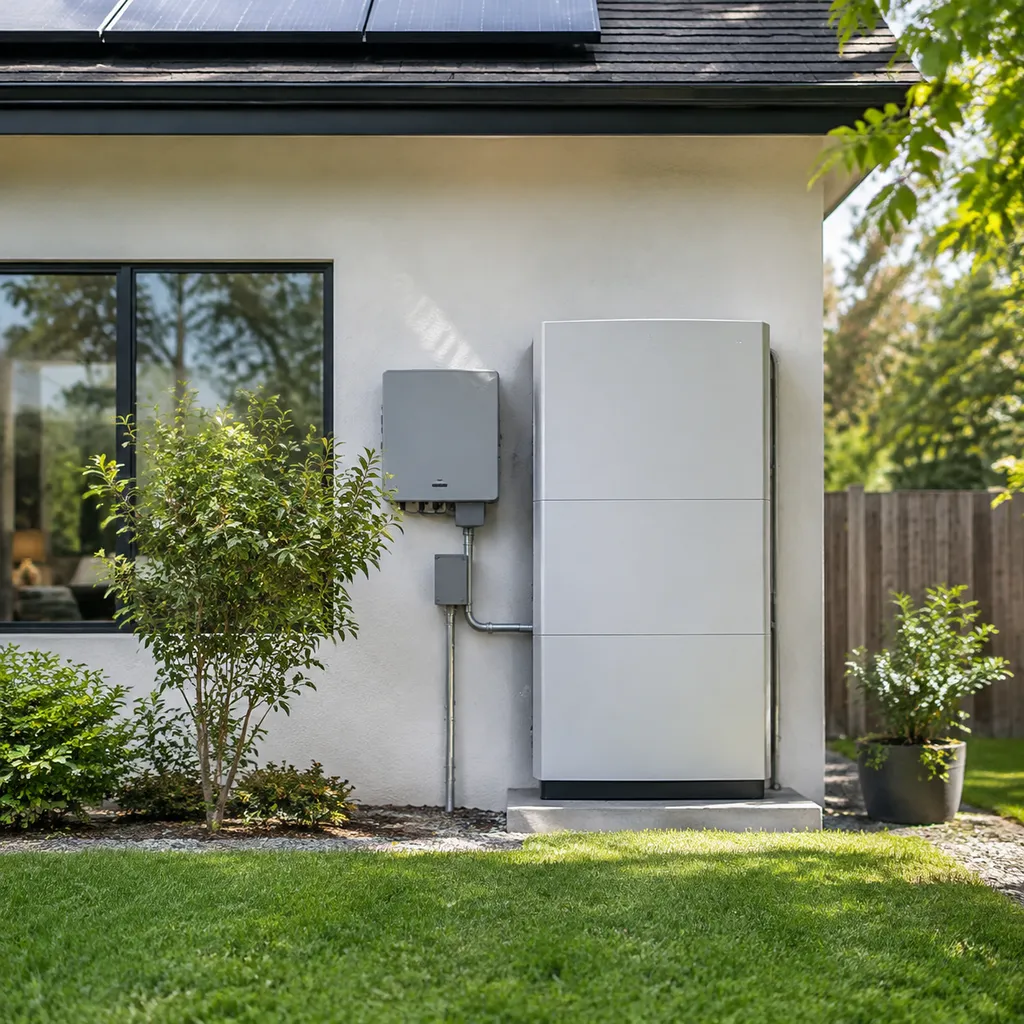
Homeowners and electrical installers often ask the same practical question before investing in energy storage: Will a 10kWh battery actually lower monthly utility bills and keep essential appliances running without a flicker during a blackout? We engineered our 10kWh Lithium Ion Battery Storage System around our proven commercial and industrial architecture to solve those exact daily power challenges.
Whether deployed in a single-family home or a light-commercial facility, a 400V Lithium Battery Energy Storage System delivers four core operational advantages:
- Solar Self-Consumption Optimization: Exporting excess daytime solar power back to the grid often yields minimal feed-in credits. Our 10kWh Solar Battery Storage System captures surplus rooftop PV generation during peak sunlight hours and stores it for evening use, helping properties achieve 90%+ solar self-consumption instead of losing energy value to grid export.
- Time-of-Use (TOU) Bill Reduction: Utility rate structures increasingly penalize evening electricity demand. Through intelligent Energy Management System (EMS) scheduling, our Residential Battery Energy Storage System automates peak shaving and tariff arbitrage—charging when grid electricity rates are lowest and discharging during expensive peak utility windows to cut monthly power bills.
- Uninterrupted Home Backup Power: Standard backup generators take several seconds to spin up, leaving computers, Wi-Fi routers, and medical equipment vulnerable to abrupt shutdowns. Built with millisecond EMS dispatch response, our 10kWh Home Battery Storage System executes automatic grid-failover in less than 10ms. Sensitive home office electronics, refrigeration, and climate control systems stay powered seamlessly when the utility grid drops.
- EV Charging & High-Load Buffering: Heavy household appliances and electric vehicle chargers place sudden strain on residential electrical panels. By operating on a High Voltage Lithium Battery Storage System architecture, the battery provides stable high-voltage DC discharge to buffer high-draw loads and support EV charging without overloading main distribution circuits.
| Application Scenario | Core System Mechanism | Practical Benefit for Homeowners & Installers |
|---|---|---|
| Solar + Storage Integration | Captures surplus daytime rooftop PV output | Reaches 90%+ solar self-consumption and minimizes low-value grid exports |
| Time-of-Use Arbitrage | Automated off-peak charging and peak-rate discharging | Lowers monthly utility bills through scheduled peak shaving |
| Emergency Grid Backup | Automatic switchover in less than 10ms | Zero-interruption power for critical loads, refrigeration, and home offices |
| High-Load & EV Buffering | High-voltage 400V DC discharge support | Smoothly handles inductive household loads and EV charging peaks |
Why Choose a 400V Lithium Battery Energy Storage System?
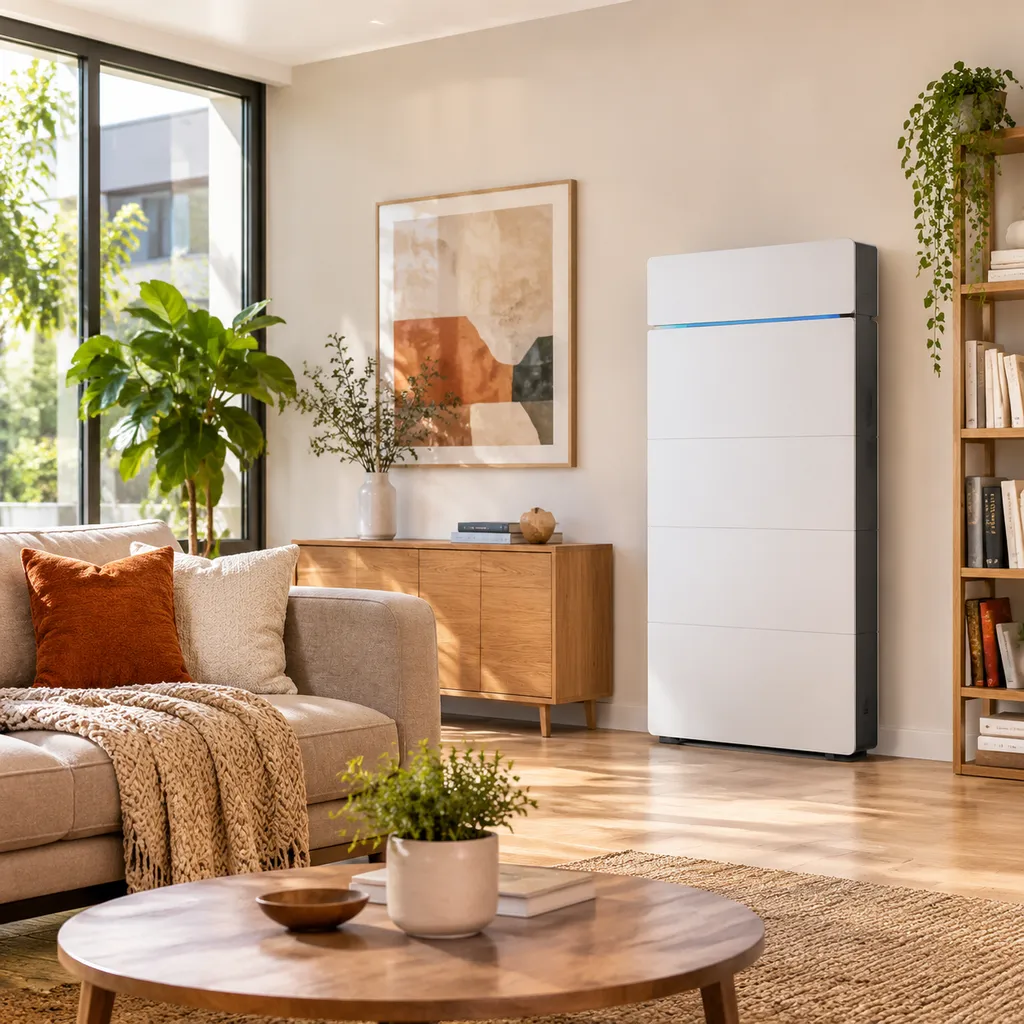
When we help homeowners and solar installers size a 10kWh home battery storage system, one of the first decisions is choosing between legacy 48V low-voltage units and a modern 400V lithium battery energy storage system.
For high-demand homes running heat pumps, central HVAC, or EV chargers, stepping up to a high voltage lithium battery storage system removes the electrical bottlenecks of older battery banks. We built our 10kWh solar battery storage system on a 400V DC architecture for four practical reasons:
- Higher Round-Trip Efficiency & Lower Thermal Loss: Operating at a nominal 400V DC drastically lowers operating current compared to 48V systems delivering the same power. Less current means less resistive heat loss in your wires and inverter, leaving more usable solar energy for your home.
- Streamlined Installation & Reduced Cabling: Lower current draw allows installers to use thinner, lighter DC conductors instead of thick, heavy-gauge copper cables. That cuts installation time and gives you a cleaner, more compact wall-mounted or floor-standing setup.
- Broad Hybrid Inverter Compatibility: We integrate native CAN, Modbus TCP, and open API communication interfaces directly into the battery management system. This ensures smooth plug-and-play pairing with mainstream high-voltage hybrid inverters and third-party energy management platforms.
- Modular Parallel Scalability: Household power needs rarely stay static. You can start with a single 10kWh lithium ion battery storage system today and add parallel modules later as you add electric vehicles or electrify appliances—without ripping out your core power conversion hardware.
400V High-Voltage vs. Legacy 48V Architecture
| Feature | 400V High Voltage Home Energy Storage Battery | Legacy 48V Low-Voltage Battery |
|---|---|---|
| Operating Current | Low current draw for equivalent kW output | High current draw requiring heavy-duty conductors |
| Thermal & Line Losses | Minimal resistive heat loss; higher system efficiency | Higher heat generation under heavy household loads |
| Cabling & Footprint | Thinner DC cables; cleaner wall or floor installation | Bulky, expensive wiring and larger busbar setups |
| Inverter Integration | Direct high-voltage DC coupling via CAN / Modbus TCP | Requires step-up conversion stages inside the inverter |
| Expansion Flexibility | Modular parallel expansion without replacing inverters | Often limited by busbar current and inverter caps |
If you are planning a new installation or comparing hardware configurations, our battery energy storage system advantages and setup guide breaks down how voltage architecture impacts long-term system performance and layout planning.
Multi-Tier Safety Engineering and Intelligent BMS for Your 10kWh Home Battery Storage System
Putting a high voltage lithium battery storage system inside your garage or on an exterior wall brings up one immediate question: is it safe around my family and home? We built our 10kWh home battery storage system using the exact same commercial-grade protection architecture proven across our utility and industrial deployments, giving homeowners and installers verifiable peace of mind.
- Intrinsic LiFePO4 Cell Stability: We use high-stability Lithium Iron Phosphate (LFP) battery cells engineered for thermal stability and rated for 6,000 or more charge and discharge cycles. Unlike volatile chemistries, LFP resists thermal overheating while delivering over a decade of daily residential cycling.
- 3-Tier Proprietary BMS & Bidirectional Active Balancing: Our Battery Management System tracks State of Charge (SOC), State of Health (SOH), voltage, and temperature down to the individual cell level in real time. Bidirectional active balancing redistributes energy across cells automatically, preventing cell drift and protecting usable capacity over years of heavy use.
- Multi-Layer Fire & Thermal Protection: Every 400V lithium battery energy storage system integrates early off-gas detection, pack-level targeted suppression safeguards, and precision thermal management—backed by UL 9540A and UL 1973 safety standards for dependable indoor or outdoor operation.
- Cloud-Edge Monitoring & OTA Updates: You get real-time energy tracking and remote diagnostics right from your phone or computer, while Over-The-Air (OTA) firmware upgrades keep your residential battery energy storage system optimized with 24/7 engineering support behind it.
Technical Specifications — Percentec Energy 10kWh 400V Residential ESS
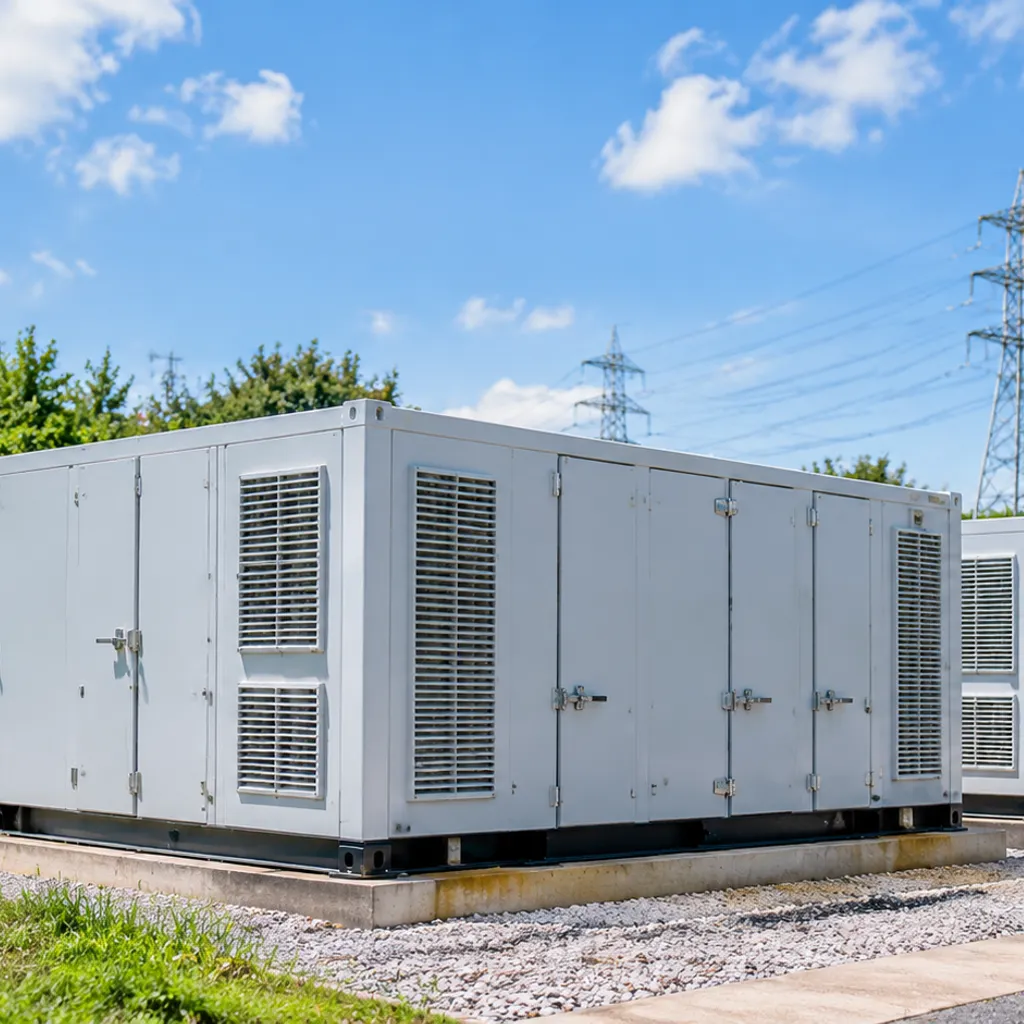
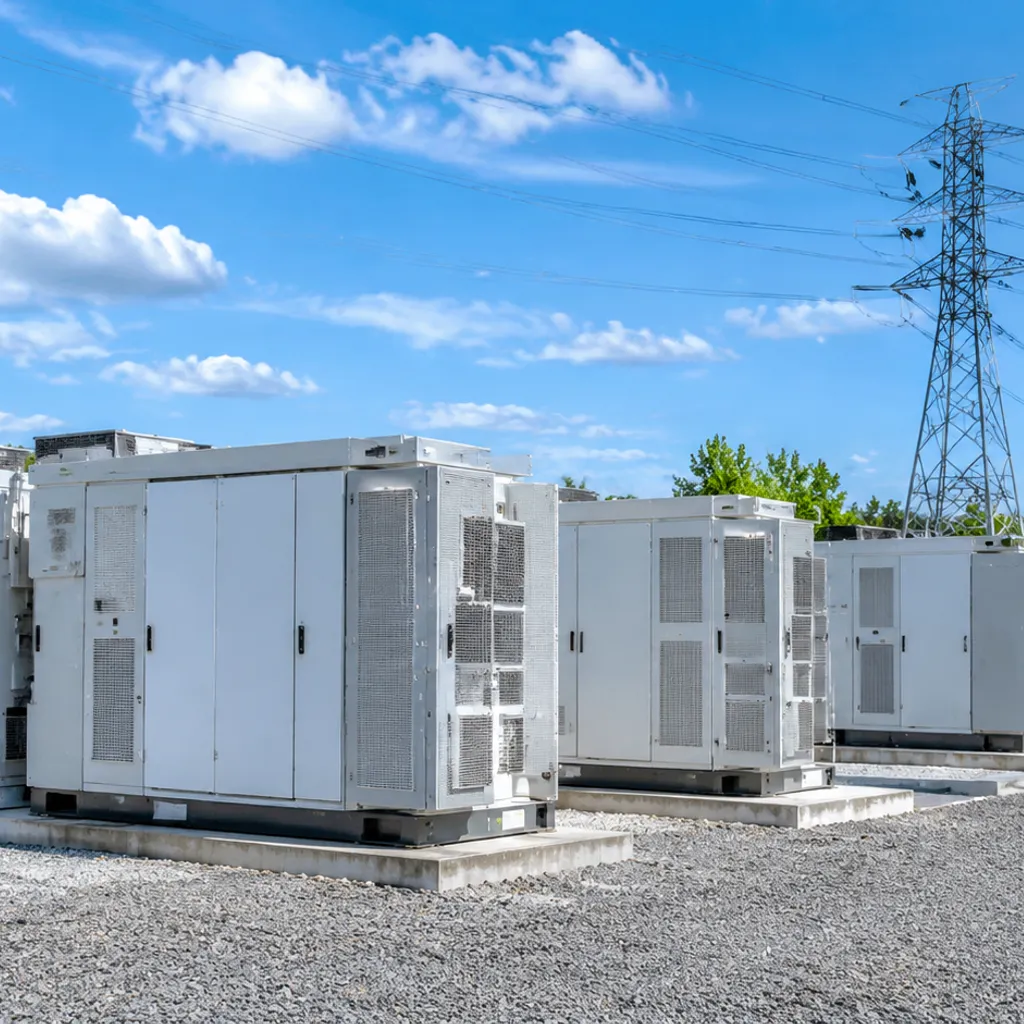
When we size a 10kWh home battery storage system for a client or installer, clear numbers matter more than sales talk. Below is the technical baseline for our 400V lithium battery energy storage system, bringing the same core safety, communication interfaces, and cycle durability found in our high-voltage energy storage cabinets into a compact residential footprint.
Because exact voltage windows, continuous power ratings, and enclosure dimensions vary depending on regional grid codes and inverter pairings, we confirm final project specifications during pre-sales load sizing.
| Parameter Category | Specification Item | System Rating / Standard |
|---|---|---|
| Electrical & Performance | Nominal Energy Capacity | 10kWh Class (Modular parallel expansion supported) |
| Nominal Architecture | ~400V DC High-Voltage Architecture (Exact voltage window confirmed per inverter pairing) | |
| Continuous & Peak Power (kW) | Sized per project load profile and hybrid inverter rating | |
| Depth of Discharge (DoD) & Efficiency | Engineered for high round-trip efficiency (Exact % verified at FAT) | |
| Battery & Lifecycle | Cell Chemistry | LiFePO4 (Lithium Iron Phosphate) |
| Cycle Life | ≥ 6,000 cycles | |
| Grid Switchover Time | Less than 10ms seamless backup transfer | |
| Mechanical & Environmental | Mounting Configurations | Wall-mounted or floor-standing enclosure options |
| Thermal Management | Active smart cooling & temperature regulation | |
| IP Rating, Dimensions & Weight | Confirmed per indoor/outdoor site specification | |
| Communication & Compliance | Communication Interfaces | CAN, Modbus TCP, RS485, Open APIs (OTA firmware updates supported) |
| Safety & Quality Certifications | UL 9540A, UL 1973, IEC 62619, CE, UN 38.3, ISO 9001 |
Key Takeaways for System Sizing & Integration
- Verified Lifecycle & Fast Failover: Built on LiFePO4 cells rated for ≥ 6,000 cycles, this 10kWh solar battery storage system switches to backup power in less than 10ms during a grid outage—keeping sensitive electronics and essential loads online without a flicker.
- Open Protocol Compatibility: Native CAN, Modbus TCP, and open API support lets installers integrate the battery directly with compatible high-voltage hybrid inverters and third-party energy management platforms.
- Engineering-Verified Configuration: Request a custom load assessment to receive the exact datasheet values—including continuous kW output, IP protection rating, physical dimensions, and voltage window—matched to your local utility requirements.
System Integration & Turnkey Support for Installers & Homeowners
Compatible System Topologies
We design every 400V Lithium Battery Energy Storage System for clean integration across standard global residential and light-commercial electrical architectures:
- DC-Coupled Solar + Storage: Connect rooftop PV arrays directly through a compatible high-voltage hybrid inverter to maximize energy harvest and minimize conversion losses.
- Hybrid Inverter Pairing: Native CAN, Modbus TCP, and open API interfaces let installers pair our 10kWh Solar Battery Storage System with leading third-party hybrid inverters without custom middleware. (If your project calls for a lower DC bus architecture, we also manufacture a low-voltage energy storage system for solar backup to match different site requirements.)
- Critical Load Backup Subpanel: Isolate essential circuits—such as refrigeration, lighting, networking gear, and medical devices—for extended runtime during prolonged grid outages.
- Whole-Home Backup Configurations: Scale capacity in parallel to back up main residential distribution panels, handling heavy household loads seamlessly.
End-to-End Quality Assurance
We bring the same disciplined engineering standards used across our 500+ MWh of global commercial deployments directly to your High Voltage Home Energy Storage Battery:
- ISO 9001 Manufacturing Standards: Every battery pack is built in our automated facility in Dongtai, Jiangsu, under strict ISO 9001 quality management protocols.
- Factory Acceptance Testing (FAT): Before any unit ships, it passes rigorous automated FAT diagnostics verifying cell balance, BMS telemetry, insulation resistance, and safety cutoffs.
- Pre-Sales Sizing & Post-Sales Commissioning: Our engineering team reviews your household load profile upfront to confirm accurate sizing, then backs your installer with commissioning guidance and 24/7 global technical support.
Frequently Asked Questions (FAQ)
Homeowners and installers often ask the same practical questions before sizing a system or committing to a quote. Here are straightforward answers based on our engineering specs and field experience.
How long can a 10kWh home battery storage system power an average house?
Runtime depends entirely on which circuits you back up and how you manage heavy inductive loads like HVAC units or electric water heaters.
- Essential Loads Backup: Running a refrigerator, LED lighting, Wi-Fi router, and home office gear typically uses minimal continuous power, allowing a 10kWh Home Battery Storage System to carry critical circuits overnight or through extended utility outages.
- Whole-Home Backup: Running central air conditioning or electric dryers drains capacity much faster. For whole-home coverage, we recommend pairing the battery with smart load shedding or expanding capacity.
What is the difference between a 400V high-voltage battery and a 48V solar battery?
Operating at a higher DC voltage reduces current draw for the same power output, which changes how the entire system performs and installs.
| Feature | 400V High-Voltage Battery | Legacy 48V Low-Voltage Battery |
|---|---|---|
| Operating Current | Lower current draw | Higher current draw |
| Thermal Loss & Efficiency | Higher round-trip efficiency with lower resistive heat loss | Higher heat generation under heavy loads |
| DC Cabling | Thinner, lighter DC conductors | Thick, heavy-gauge copper cables |
| Inverter Pairing | Direct match for modern high-voltage hybrid inverters | Requires step-up conversion stages |
Can I expand my 10kWh lithium battery system if my energy needs increase?
Yes. We engineered our architecture around modular battery energy storage systems for scalable power so you do not have to replace your core inverter or wiring later. You can add battery modules in parallel as household consumption grows—such as when adding an EV charger or heat pump—subject to your specific inverter's maximum parallel string limits.
Which hybrid inverters are compatible with Percentec Energy’s 400V battery?
Our 400V Lithium Battery Energy Storage System communicates via standard CAN, Modbus TCP, and open API protocols. This allows seamless integration with our Smart Power Inverters as well as mainstream third-party high-voltage hybrid inverters and energy management platforms. Before installation, our engineering team verifies protocol matching for your exact inverter model.
What safety certifications does this residential battery energy storage system hold?
We build our residential and commercial storage lines to meet strict international safety and manufacturing standards:
- UL 9540A & UL 1973: Thermal runaway fire propagation testing and stationary battery safety compliance.
- IEC 62619 & CE: International safety requirements for industrial and residential lithium-ion cells and packs.
- UN 38.3 & ISO 9001: Certified safe transport testing and verified quality management across our manufacturing facility.
How fast does backup power activate during a utility grid outage?
Switchover happens in less than 10ms (milliseconds). When the utility grid drops, our BMS and inverter detect the voltage loss and isolate from the grid automatically—fast enough that computers, Wi-Fi routers, and sensitive household electronics stay powered without rebooting.