The Critical Role of Battery Energy Storage in Alice Springs
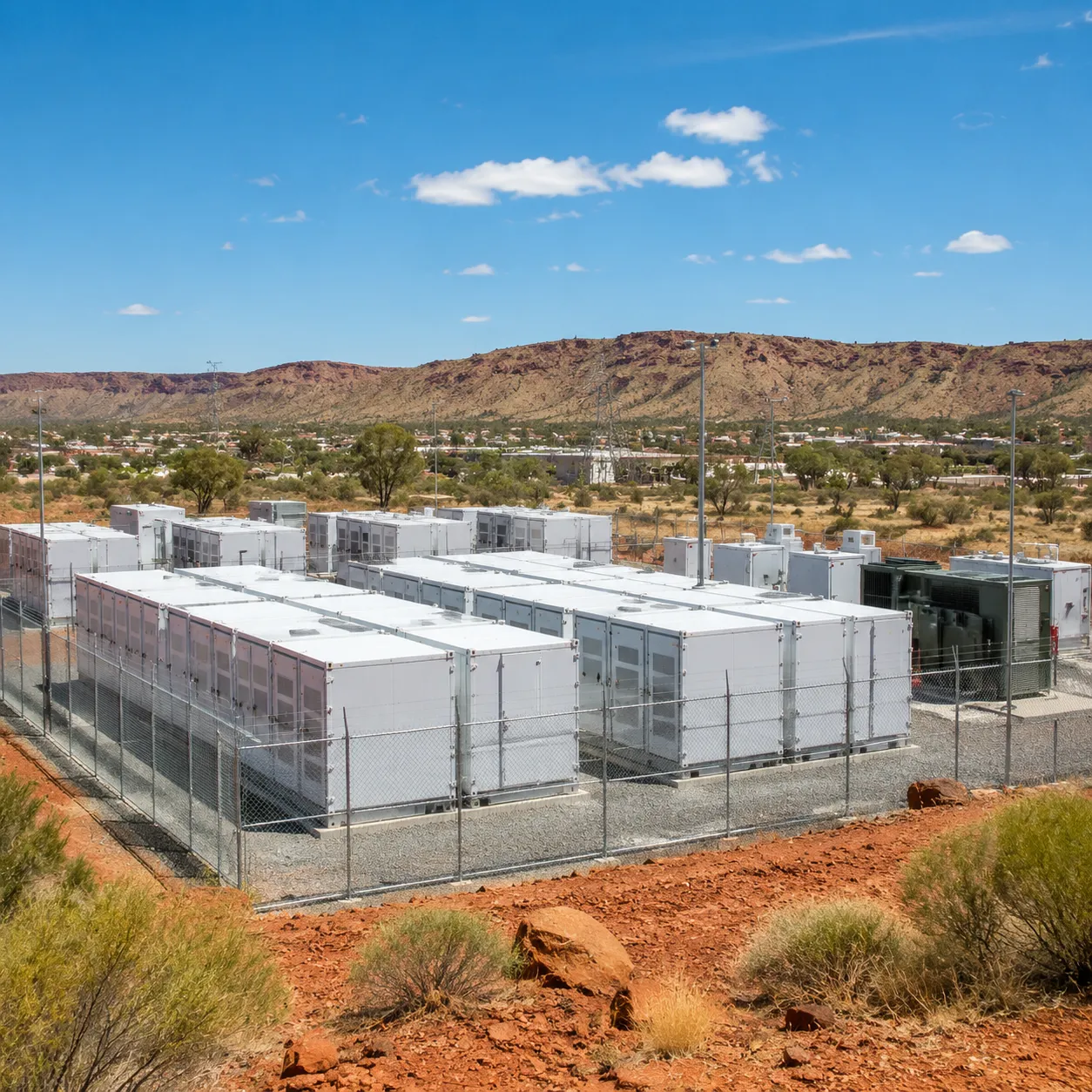
The Alice Springs power system represents one of the most demanding electrical environments in Australia: an isolated radial grid operating entirely without regional interconnections. In such self-contained networks, localized grid firming is a necessity. Without external transmission links to absorb sudden power disturbances, any fluctuation in generation or load threatens system frequency and overall grid stability.
Managing High PV Penetration and Solar Intermittency
Rapid adoption of rooftop solar PV and utility-scale solar generation across the Northern Territory introduces extreme supply volatility into the local power network. Severe cloud cover events cause rapid generation drops, risking cascading circuit trips and widespread outages. Deploying a dedicated alice springs battery energy storage system mitigates these risks by delivering real-time frequency stabilization and rapid power injection to balance renewable intermittency.
| Operational Performance | Legacy Gas Spinning Reserve | Percenec Energy BESS Solution |
|---|---|---|
| Response Speed | Slow thermal ramping (seconds to minutes) | Sub-second dispatch (<10 milliseconds) |
| Fuel Burn & Efficiency | Continuous idle fuel consumption | Zero idle fuel burn |
| Emissions Profile | Ongoing CO2 and thermal output | Zero direct operational emissions |
| Grid Stabilization | Constrained frequency ramp rates | Dynamic synthetic inertia and FCAS delivery |
Transitioning from Gas Turbines to Battery Energy Storage
Historically, grid operators relied on gas turbines running continuously as spinning reserves to guarantee dynamic capacity. Replacing thermal spinning reserves with utility and C&I battery systems fundamentally upgrades network operations:
- Eliminating Spinning Reserve Fuel Burn: BESS units hold standby capacity without consuming natural gas or diesel fuel, driving down operational costs.
- Drastic Carbon Emissions Reduction: Replacing gas-fired spinning capacity directly cuts greenhouse gas emissions and reduces plant wear-and-tear.
- Instantaneous Ramp Capability: Advanced energy storage bi-directional inverters adjust power output within milliseconds to counteract sudden solar drops.
Percenec Energy Grid-Ready Positioning
At Percenec Energy, we engineer heavy-duty, high-availability battery storage solutions engineered specifically for isolated networks and harsh off-grid applications. Our heavy-duty BESS technology delivers robust grid-firming, peak capacity, and automated power quality management, enabling utilities and industrial power users to achieve reliable, continuous power across extreme operating environments.
Alice Springs Battery Energy Storage System: Harsh Desert Engineering
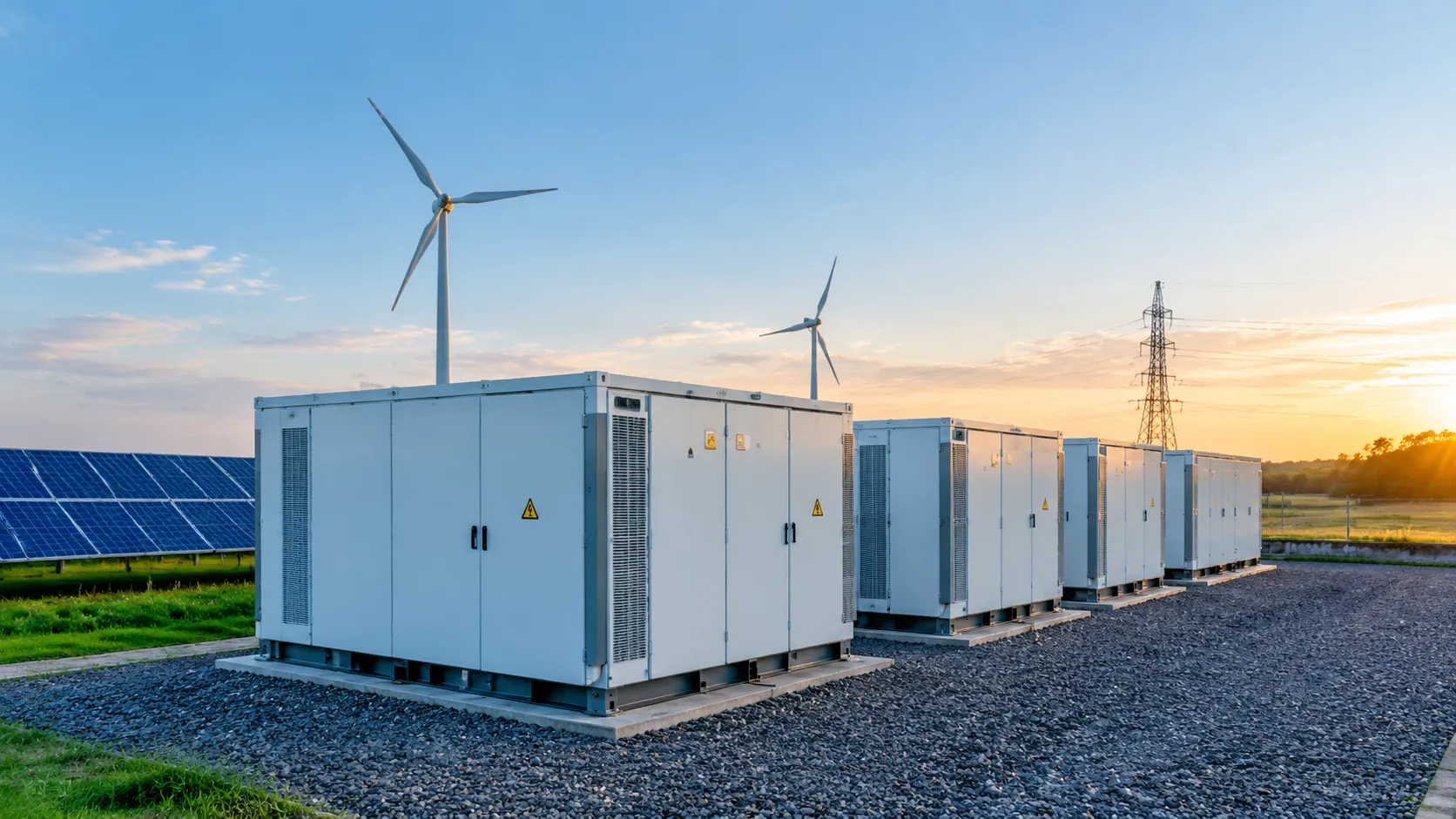
We engineer every alice springs battery energy storage system to withstand the severe climate conditions of the Northern Territory. Deploying grid storage in isolated desert regions demands specialized thermal management, high-grade enclosure protection, and multi-layered safety mechanisms.
| Component | Technical Standard | Operational Benefit |
|---|---|---|
| Thermal Management | Closed-loop Liquid Cooling | Maintains cell uniformity in >45°C ambient heat |
| Cell Chemistry | High-Density LiFePO4 | Delivers ≥6,000 cycles with high thermal stability |
| Fire Suppression | Off-gas Detection + Aerosol Units | Instant early-stage warning and targeted suppression |
| Enclosure Rating | IP55 / NEMA 3R Heavy-Duty | Total protection against desert sand, dust, and rain |
Extreme Environmental Protection Features
- Advanced Liquid Cooling: Our active liquid thermal management maintains uniform cell-to-cell temperatures during peak summer heat waves (>45°C ambient), preventing localized hot spots and capacity fading.
- High-Safety Cell Chemistry: By utilizing LFP cells, we optimize lithium iron phosphate battery system safety and cycle life to deliver over 6,000 cycles under heavy daily charge and discharge regimes.
- Multi-Layer Fire Safety: Integrated off-gas sensors detect chemical venting at the cell level within milliseconds, triggering pack-level aerosol suppression before thermal runaway can spread.
- Ruggedized Weatherproof Enclosures: Our outdoor battery energy storage system with LiFePO4 battery containers feature IP55/NEMA 3R seals to stop dust and sand ingress from compromising high-voltage power conversion hardware.
Key Applications for the Alice Springs Battery Energy Storage System
Frequency Control Ancillary Services (FCAS)
- Sub-10ms response time: Delivers instant real-power injection or absorption to handle rapid frequency shifts.
- Virtual inertia: Replaces conventional thermal spinning reserves to keep isolated network frequencies within safe operating limits.
- Solar damping: Neutralizes severe voltage and frequency swings caused by sudden cloud cover over utility-scale PV plants.
Commercial & Industrial Peak Shaving
- Up to 35% tariff reduction: Automatically discharges stored energy during expensive peak demand windows.
- Optimized capacity fees: Blunts demand charge spikes to lower monthly utility bills for industrial facilities.
- Explore how local enterprises capture long-term financial yield through the benefits of peak shaving for lower energy costs.
Solar-Plus-Storage Maximization
- >90% solar self-consumption: Stores excess daytime PV generation for high-demand evening cycles.
- Curtailment prevention: Captures energy that would otherwise be curtailed by local network operators during over-generation periods.
Islanded Microgrid Capability
- Uninterrupted power supply (UPS): Provides immediate backup power to critical facilities during central grid outages.
- Black-start performance: Re-energizes site microgrids autonomously without relying on external feeder voltage.
- Deployment of engineered microgrid energy storage solutions guarantees operational resilience for remote commercial sites.
Alice Springs Battery Energy Storage System Hardware & Architecture
Review our comprehensive energy storage system architecture and design guide for complete system topology details.
Modular Containerized BESS Units
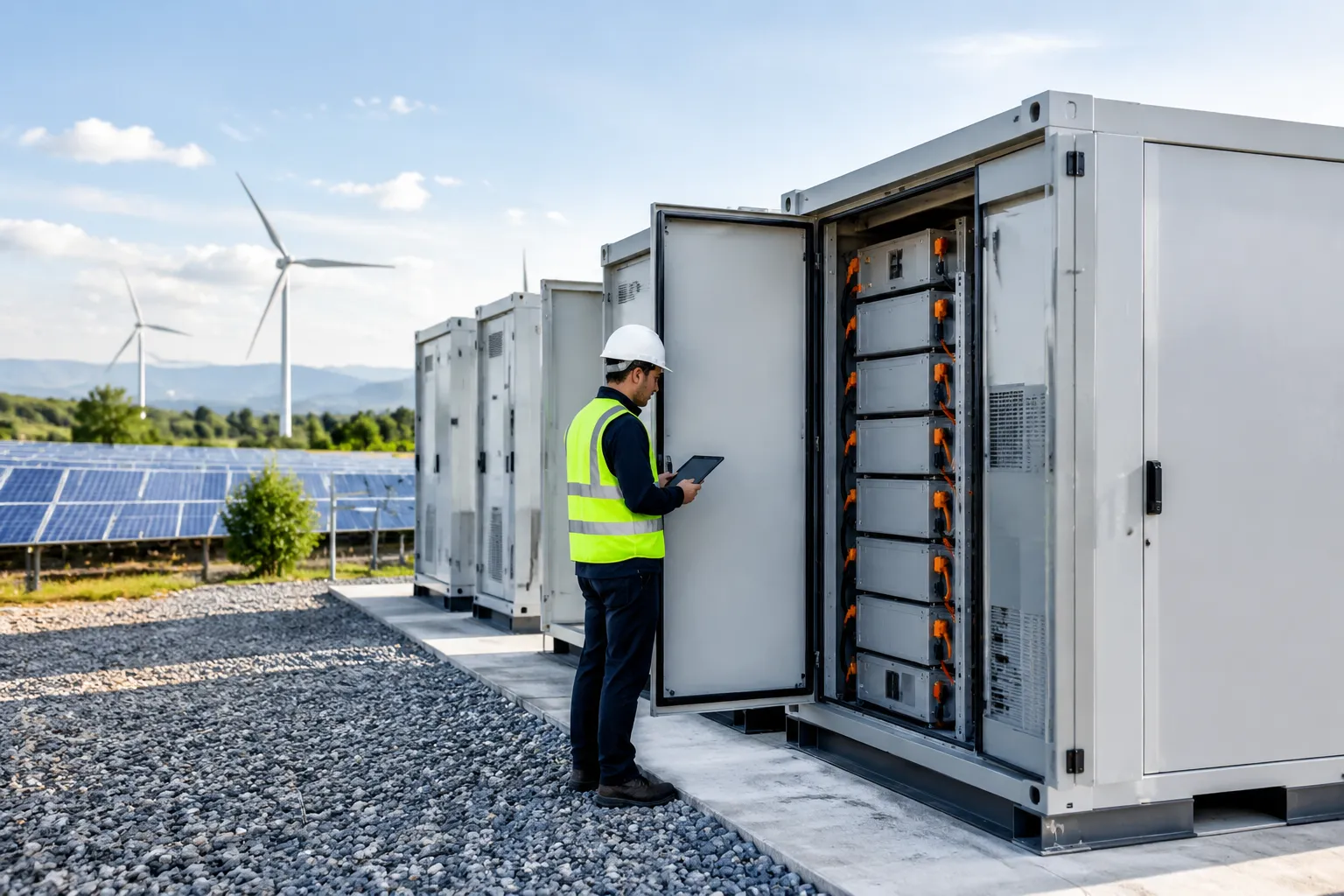
We deploy standard 20ft and 40ft ISO shipping container configurations delivering up to 5MWh of battery storage capacity per unit. Engineered for quick site integration in extreme desert conditions, our plug-and-play modular battery energy storage system for scalable power allows utility and industrial operations to expand footprint capacity seamlessly as load demands grow.
Smart Power Conversion Systems (PCS)
Our bi-directional power conversion systems deliver exceptional conversion efficiency and sub-second response times needed for fragile remote networks. Key operational features include:
- Grid Synchronization: Fast-acting voltage and frequency matching to stabilize localized grid fluctuations.
- Black-Start Capability: Independent self-excitation and voltage building to restart facility loads following a complete grid outage.
- Dynamic Inertia Emulation: Synthetic inertia injection to reinforce weak, high-PV-penetration network lines.
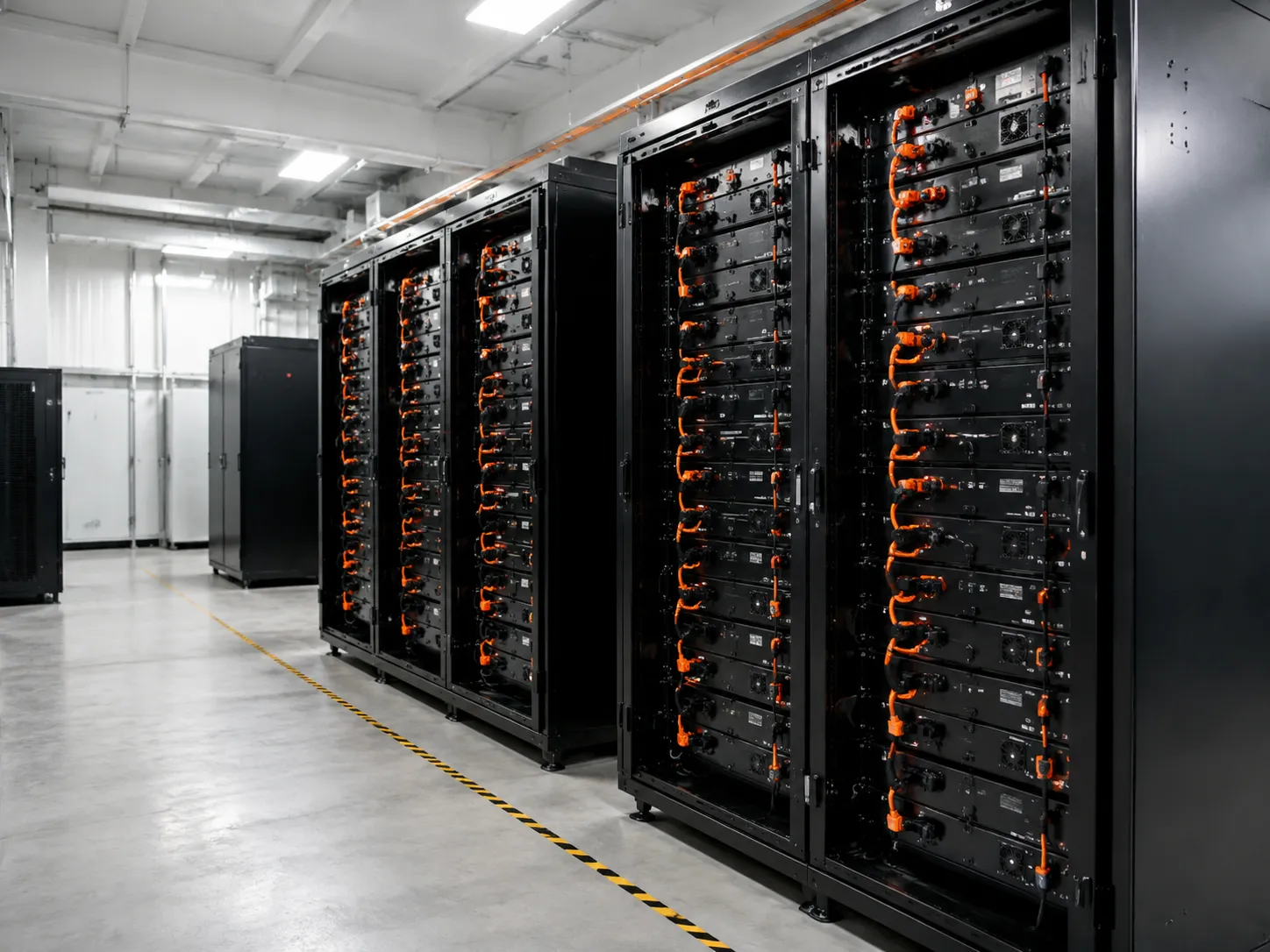
3-Tier BMS Architecture
To guarantee battery safety, cell balance, and long operational life, our proprietary battery management system operates across three coordinated control layers:
- Tier 1 (Module Level): Continuous monitoring of cell voltage and temperature with active state-of-charge (SOC) balancing.
- Tier 2 (Rack Level): String-level current management, automated circuit protection, and localized thermal controls.
- Tier 3 (System Master): System-wide telemetry aggregation, predictive health diagnostics, and direct supervisory integration.
Proprietary Software, EMS & Microgrid Control
Deploying an alice springs battery energy storage system requires intelligent control software to manage isolated grid volatility, sudden solar drops, and extreme climate conditions. We engineer our software stack from the ground up to deliver sub-second control, cloud-edge synchronization, and maximum financial yield.
AI-Driven Energy Management System (EMS)
Our intelligent EMS combines edge execution with cloud analytics to optimize daily battery dispatch:
- Automated Economic Dispatch: Dynamically calculates charge and discharge cycles based on real-time generation profiles and tariff structures.
- Energy Arbitrage & Load Forecasting: Predictive algorithms forecast site loads and weather trends to execute precise peak shaving using our factory energy management solution for real-time monitoring.
- Autonomous Grid Firming: Automatically switches operational modes to stabilize local power during unexpected grid frequency deviations.
Protocol Interoperability & Microgrid Controller System
A high-performance microgrid controller system must integrate smoothly into existing industrial and utility architectures without custom protocol converters:
- Universal Protocol Support: Native compatibility with Modbus TCP, CAN bus, and open REST APIs.
- Direct SCADA Handshake: Instant connectivity to site supervisory networks for real-time telemetry, remote dispatch, and status reporting.
- Fast Response Switching: Sub-second control signaling ensures tight integration with site generators and solar inverters.
24/7 Remote Operations & Maintenance (O&M)
To ensure uninterrupted service in challenging environment settings, our remote monitoring infrastructure tracks every system metric around the clock:
- 99.9% Operational Availability: Continuous global telemetry monitors system health, preventing unplanned outages.
- Predictive Diagnostics: Machine learning models detect cell temperature anomalies, state-of-charge drift, and inverter faults before failures occur.
- Over-the-Air (OTA) Updates: Firmware patches and control algorithm upgrades deploy remotely without interrupting site power delivery.
Financial Economics and ROI Analysis
Capital Cost Optimization
Over-specifying battery capacity inflates upfront costs without delivering proportional returns. We analyze your site’s exact consumption profile to right-size both power rating (MW) and energy capacity (MWh).
- Tariff Alignment: Battery sizing matches high-rate tariff windows to avoid steep network charges.
- Load Matching: System capacity offsets peak operational demand without paying for unneeded reserve capacity.
- Capex Efficiency: Right-sizing equipment controls initial expenditure while leaving modular expansion paths open.
To evaluate equipment lifecycle expenses alongside capital outlay, review our guide on LFP battery energy storage system cost and lifespan.
Payback Metrics and Financial Yield
Commercial and industrial energy storage projects in isolated grids typically reach full capital payback within 3 to 5 years. We achieve this by stacking multiple revenue and cost-reduction streams.
| Financial Driver | Operational Mechanism | Bottom-Line Impact |
|---|---|---|
| Peak Shaving | Discharging BESS during peak demand windows | Cuts monthly demand charges by up to 35% |
| Solar Arbitrage | Storing daytime excess solar for night operations | Replaces expensive grid power imports |
| FCAS Revenue | Providing sub-second grid stabilization services | Unlocks ancillary market payments |
| Fuel Displacement | Offloading spinning reserve from gas turbines | Decreases fuel burn and engine wear |
Percenec Energy BESS Evaluation Model
We eliminate guesswork from asset procurement through our custom financial evaluation model. By integrating our engineered commercial lithium battery energy storage system into your site strategy, we help secure funding and maximize project returns.
- Bankable ROI Projections: Cash-flow analysis built on actual site interval data and localized tariff structures.
- Grant Capture: Identification and integration of local Northern Territory clean energy grants and subsidies.
- Tax Write-Off Strategy: Financial structuring aligned with asset depreciation schedules to optimize net tax liability.
Compliance and Grid Integration for Alice Springs BESS
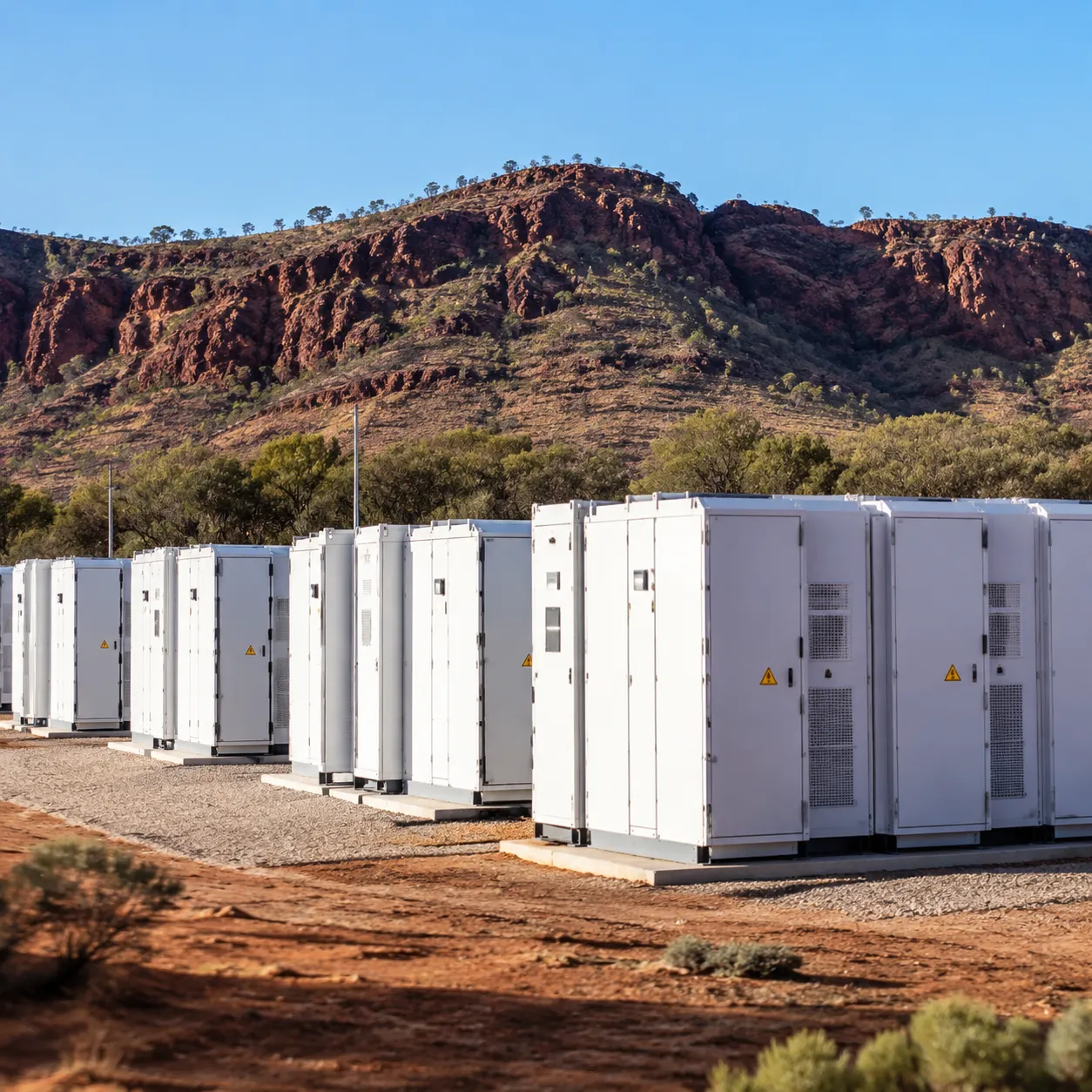
Global Safety Certifications
Our battery energy storage assets undergo rigorous testing to ensure risk mitigation and reliable long-term performance, backed by our international quality certifications.
| Certification | Technical Scope & Compliance |
|---|---|
| UL 9540A & UL 1973 | Large-scale thermal runaway fire propagation testing and battery pack safety certification. |
| IEC 62619 | Industrial safety standards for secondary lithium cells and module assemblies. |
| UN 38.3 & CE | Safe transport testing for lithium batteries and European health, safety, and environmental protection compliance. |
| ISO 9001 | Quality management system compliance across all manufacturing processes. |
Northern Territory Grid Alignment
Operating within the isolated Alice Springs grid requires strict technical alignment with the NT System Controller and local utilities.
- NT Generator Technical Code: Full technical compliance with local connection codes, voltage regulation, and power quality requirements.
- Autonomous Grid Support: Microsecond control loops designed to meet active power response standards for localized grid firming.
- Utility Connection Readiness: Pre-configured protection schemes that streamline utility approval and reduce commissioning delays.
Turnkey Execution for Alice Springs Battery Energy Storage System
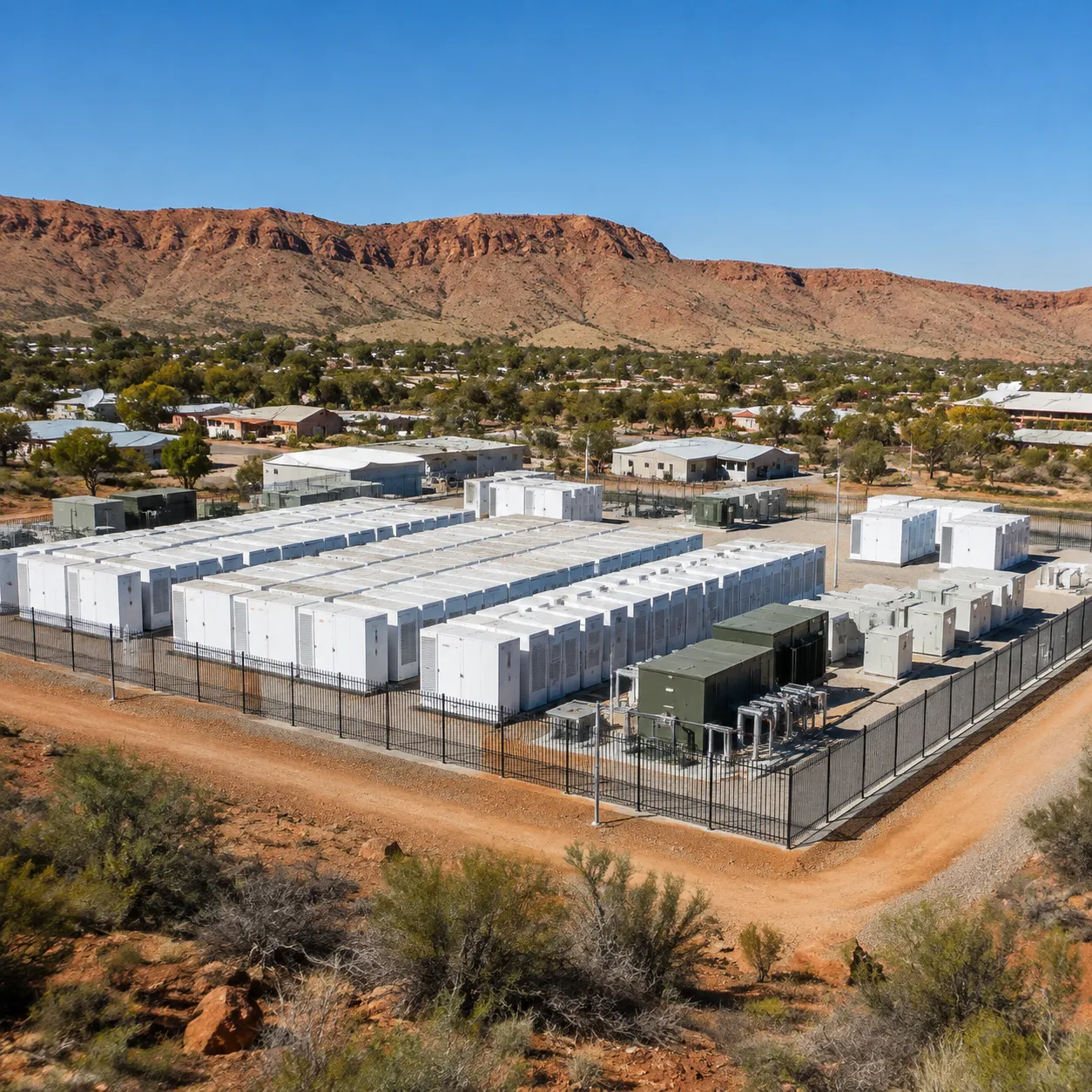
Deploying a utility or commercial Alice Springs battery energy storage system requires precision engineering, strict local compliance, and field-tested execution. Our end-to-end turnkey project delivery framework mitigates operational risk and accelerates grid connection in remote, high-temperature environments.
Phase 1: Site Feasibility & Load Profile Analysis
- Power Audit: We conduct in-depth electrical audits to map localized load profiles, peak tariff windows, and grid feeder constraints.
- Capacity Sizing: Accurate modeling of battery storage capacity MWh to balance peak shaving efficiency with capital expenditure.
Phase 2: Custom Engineering & Simulation
- System Modeling: Development of detailed single-line diagrams, short-circuit calculations, and financial yield projections.
- Tailored Architecture: Deploying purpose-built enclosure and control architectures via our custom energy storage solutions engineered specifically for harsh desert operation.
Phase 3: Automated Manufacturing & Factory Acceptance Testing (FAT)
- Precision Assembly: Standardized manufacturing using high-grade lithium iron phosphate (LiFePO4) battery packs and integrated liquid cooling loops.
- Rigorous FAT: Full-power factory simulation and automated safety testing to ensure zero-defect delivery to the site.
Phase 4: On-Site Integration & Commissioning
- Grid Connection: Seamless mechanical and high-voltage electrical hookup aligned with Northern Territory power grid standards.
- Control Synchronization: Rapid commissioning of the microgrid controller, power conversion systems (PCS), and local SCADA networks.
Phase 5: Lifecycle Service Guarantee
- 24/7 Operations: Remote telemetry monitoring to maintain peak thermal health, state-of-charge balance, and asset uptime.
- Long-Term Support: Structured preventative maintenance agreements ensuring guaranteed system performance and high operational yield over the asset lifespan.
Frequently Asked Questions: Alice Springs Battery Energy Storage System
How does liquid-cooled BESS outperform air-cooled systems in Alice Springs heat?
In ambient temperatures exceeding 45°C, air-cooled systems suffer from excessive parasitic energy loss and uneven heat distribution across battery racks. Our 5MWh liquid-cooled battery energy storage system maintains tight cell-to-cell temperature uniformity within 2.5°C. This active thermal management liquid cooling prevents thermal throttling, lowers auxiliary power consumption by up to 30%, and drastically extends overall system lifecycle in harsh desert conditions.
Can C&I battery systems integrate directly into existing commercial solar arrays?
Yes. We deploy flexible AC-coupled and DC-coupled architectures designed to interface directly with existing commercial PV arrays. Utilizing our modular 40ft containerized battery storage system, facilities can retrofit their infrastructure without replacing working inverters. This optimization boosts solar self-consumption above 90% while delivering automated peak shaving to curb expensive demand tariffs.
What communication protocols connect Percenec Energy EMS to local SCADA systems?
Our proprietary Energy Management System (EMS) offers native interoperability with standard industrial control frameworks:
Modbus TCP / RTU: Direct communication with facility power meters and hardware.
DNP3 & IEC 60870-5-104: Seamless utility-scale integration with Northern Territory power grid operators.
CAN bus & Open REST APIs: Custom data streams for real-time SCADA telemetry, automated economic dispatch, and Frequency Control Ancillary Services (FCAS) sub-second triggering.
What are the primary safety measures preventing thermal runaway in large battery installations?
We engineer a multi-layered defense system fully compliant with UL 9540A energy storage safety standards:
Cell Selection: Deploying high-density, inherently stable Lithium Iron Phosphate (LiFePO4) chemistry.
Early Off-Gas Detection: Advanced sensors monitor for trace hydrogen and volatile organic compounds (VOCs) to identify abnormal cell behavior before thermal events occur.
Targeted Suppression: Automated, pack-level aerosol fire suppression system units trigger localized isolation instantly.
Enclosure Integrity: Heavy-duty IP55 / NEMA 3R rated structural containment designed to withstand extreme dust, sand, and heat.
Related Sources
- https://esdnews.com.au/pacific-energy-inks-battery-deal-with-territory-generation/
- https://ampcontrolgroup.com/solutions/battery-energy-storage-systems
- https://www.powerwater.com.au/developers/power/technical-code-and-planning-criteria
- https://percentecenergy.com/products/battery-energy-storage-systems/