Formula details
Product Details
Overview
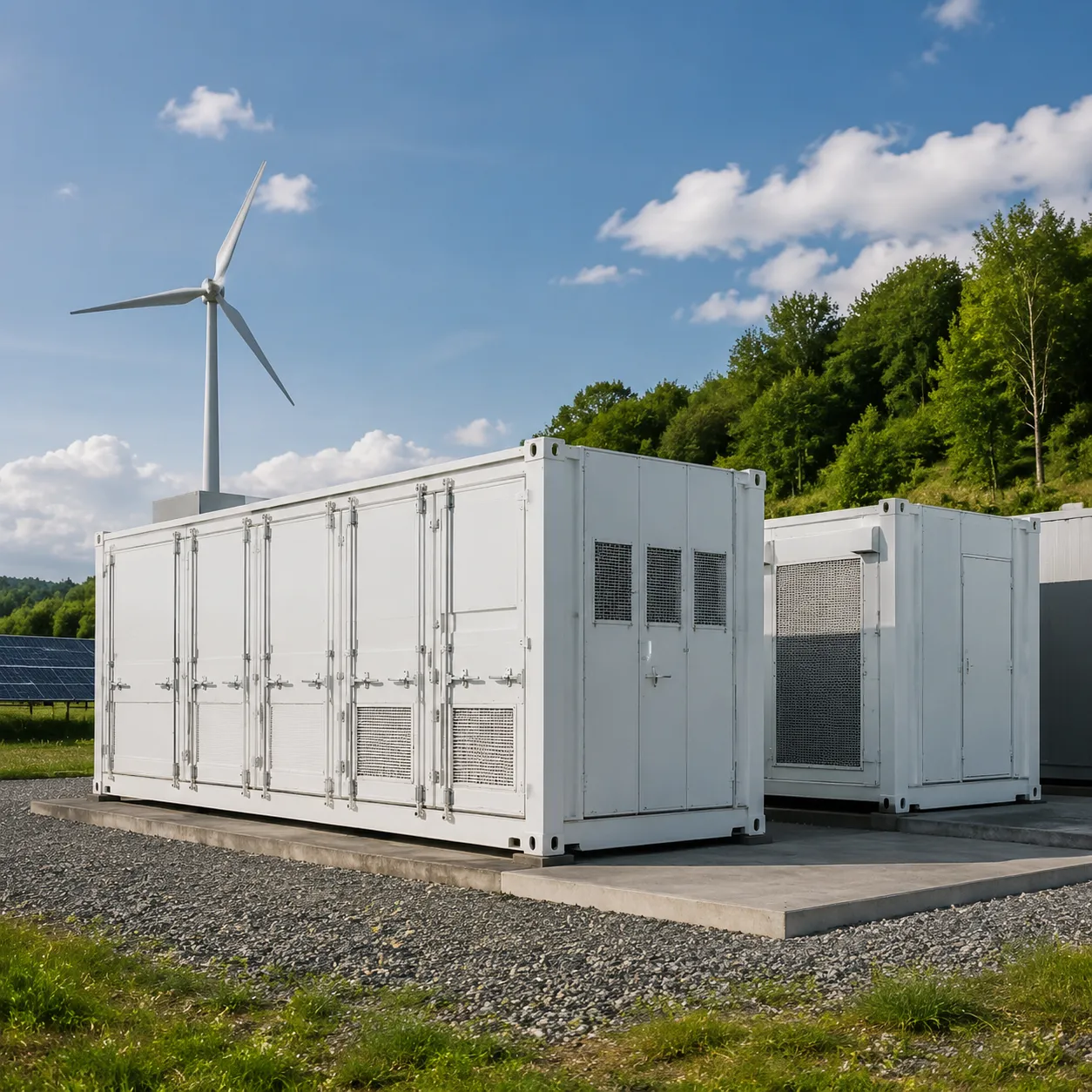
What Is a 5 MWh Battery Energy Storage System?
Key Components of a 5MWh Containerized BESS
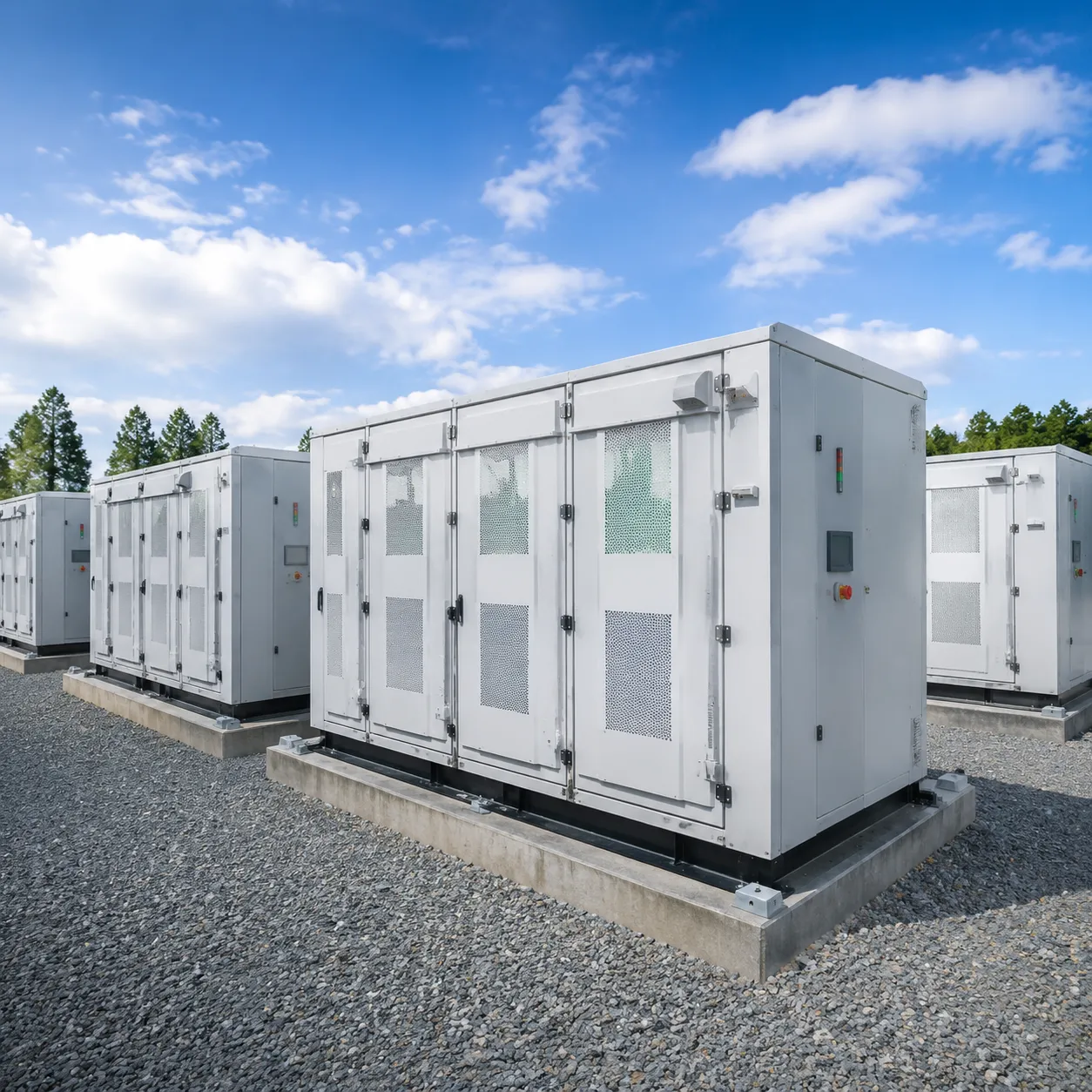
Our containerized battery energy storage solution integrates all operational subsystems into a single ISO-certified enclosure for seamless grid connection:
- LiFePO4 Battery Racks: High-density lithium iron phosphate battery cells providing long cycle life and superior thermal stability.
- Battery Management System (BMS): Multi-tier battery management system monitoring cell voltage, state of charge (SoC), and system health in real time.
- Power Conversion System (PCS): Bidirectional power conversion system for precise AC/DC energy conversion and dynamic power control.
- Energy Management System (EMS): Smart automated software that executes peak shaving, solar smoothing, and microgrid controls.
- Thermal Management: Closed-loop liquid cooling thermal management keeping temperature uniform across all modules.
- Safety Systems: Integrated multi-stage fire suppression and gas detection units.
5MWh BESS Specifications
| Parameter | Core Technical Specification |
|---|---|
| Nominal Energy Capacity | 5.0 MWh (5,000 kWh) |
| Battery Chemistry | Lithium Iron Phosphate (LiFePO4) |
| Nominal DC Voltage | 1000V – 1500V DC |
| Physical Footprint | Standard 20 ft or 40 ft ISO High Cube Container |
| Enclosure Rating | IP54 / NEMA 3R outdoor modular unit |
| Thermal System | Liquid cooling system |
| Primary Applications | Grid scale battery storage, peak shaving, microgrid backup |
Key Features of Our 5 MWh BESS Container
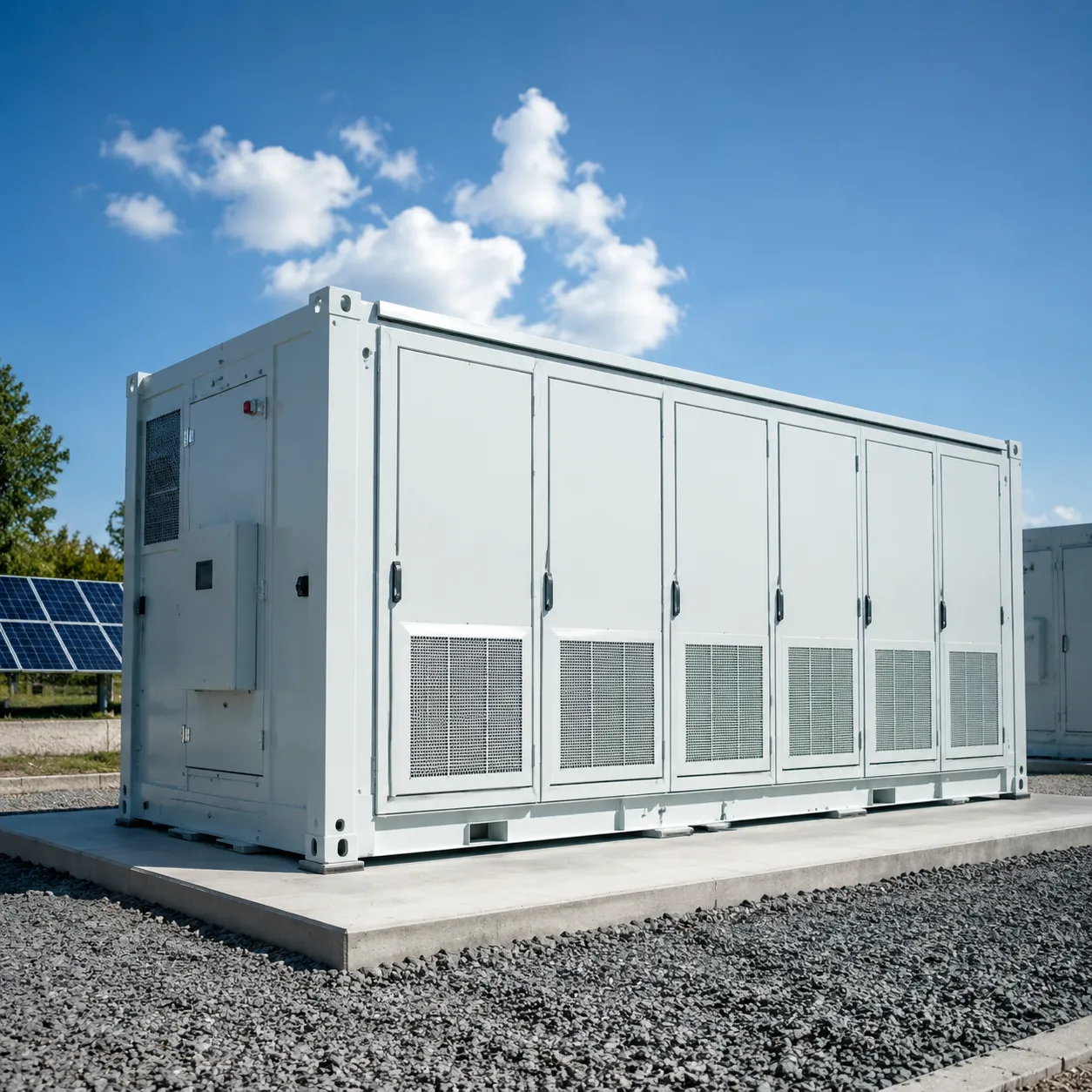
We engineered our 5 MWh battery energy storage system to pack high power density, smart automated controls, and complete fire protection into a standard turnkey enclosure.
| Feature | Key Spec | Primary Benefit |
|---|---|---|
| Cell Tech | High-density LiFePO4 | Long operational lifespan and high thermal stability |
| Cooling System | Liquid cooling thermal management | Keeps cell temperature delta $le$ 3°C to boost efficiency |
| Controls | Integrated BMS & EMS | Auto-balances cells and optimizes real-time power dispatch |
| Safety Compliance | Multi-layer fire mitigation | Full UL 9540A certification for thermal runaway safety |
High-Density LiFePO4 Cell Technology
Our enclosure uses advanced lithium iron phosphate battery system safety and cycle life design principles. High-density LiFePO4 chemistry allows us to fit massive energy storage into a smaller physical footprint while delivering thousands of reliable deep discharge cycles.
Advanced Liquid Cooling Thermal Management
Liquid cooling actively removes heat directly at the module level. This approach maintains uniform temperatures across all cells, reduces parasitic auxiliary power draw, and significantly extends system life compared to conventional air-cooled designs.
Smart BMS and EMS Controls
Integrated smart BMS units monitor voltage, current, and cell balance in real time. Coupled with our onboard Energy Management System (EMS), the container automatically responds to grid signals, optimizes charge/discharge schedules, and prevents cell degradation.
Multi-Layer Fire Protection and UL 9540A Safety
Safety is integrated directly into the system architecture:
Module-level protection: Thermal barriers prevent heat transfer between adjacent cells.
Active detection: Continuous gas and smoke sensors trigger early warning alerts.
Targeted suppression: Integrated aerosol and water sprinkler connections provide immediate fire control.
Certified compliance: Tested rigorously to meet strict UL 9540A grid-safety standards.
Primary Applications for a 5 MWh Battery Energy Storage System
Our 5 MWh battery energy storage system provides heavy-duty power management for utilities, industrial sites, and large commercial operations.
Peak Shaving and Demand Charge Reduction
Electricity rates spike during high-demand hours, creating massive utility costs for energy-intensive enterprises. We engineer our 5 MWh BESS container to charge during cheap off-peak hours and discharge when tariff rates hit their highest points.
Lower Operational Expenses: Directly slashes peak demand charges on monthly utility bills.
Load Curve Smoothing: Eliminates sharp demand spikes caused by heavy machinery startup.
Solar and Wind Renewable Integration
Intermittent generation limits the true value of renewable energy installations. Integrating utility scale battery storage containers for solar and wind bridges the gap between generation peak times and consumption demand.
Energy Time-Shifting: Stores solar generation midday for use during evening peak hours.
Curtailment Avoidance: Prevents wasted generation when the local grid cannot accept solar or wind output.
Grid Stabilization and Frequency Regulation
Utility operators need instant, reliable resources to keep regional grids balanced at precise voltage and frequency standards.
Sub-Second Dispatch: Injects or absorbs active power within milliseconds of a grid frequency swing.
Non-Wires Alternatives: Defer expensive distribution and transmission line upgrades.
Microgrid Support and Industrial Backup Power
For remote facilities and critical manufacturing hubs, our unit acts as a resilient backbone for off-grid power or emergency power supply. Pair the container with local resources to form robust commercial and industrial backup power setups.
Seamless Islanding: Transitions off-grid instantly during utility blackouts to stop expensive line downtime.
Gen-Set Hybridization: Reduces runtime and fuel consumption on diesel generators.
System Cost and ROI
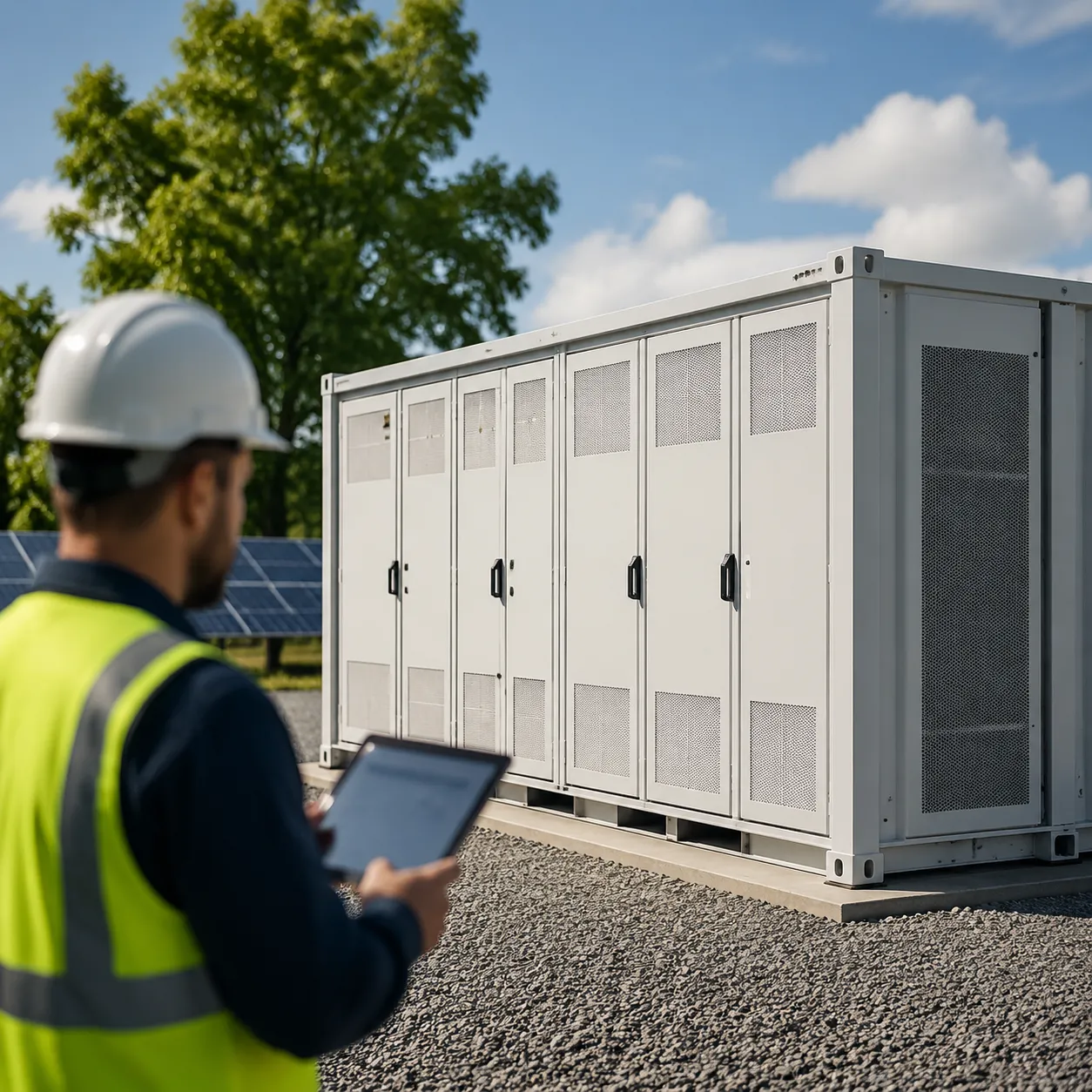
Deploying a 5 mwh battery energy storage system involves upfront capital expenditure, but the long-term operational savings yield a compelling return on investment. By cutting peak demand charges, storing cheap off-peak energy, and participating in grid revenue programs, operators offset initial CapEx within a typical payback window of 4 to 7 years.
Round-Trip Efficiency and Cycle Life
System performance directly drives financial returns. We optimize our 5MWh BESS for maximum energy throughput and minimal lifetime degradation.
- Round-Trip Efficiency (RTE): Delivering an 88% to 92% system-level RTE, our setup minimizes energy loss during charge-discharge cycles to maximize daily power yields.
- Cycle Life: Built for 6,000 to 8,000+ cycles at 80% Depth of Discharge (DoD), providing reliable daily energy shifting for 15+ years.
- Levelized Cost of Storage (LCOS): High round-trip efficiency combined with high cycle longevity drastically lowers your total per-kWh storage costs over time.
To evaluate detailed payback models and lifetime metrics, review our LFP battery energy storage system guide on safety, cost, and lifespan.
Warranty Coverage and Minimal Maintenance
We protect your investment and keep operating expenses (OpEx) low through automated monitoring and heavy-duty components:
- 10-Year Warranty: Comprehensive factory coverage guaranteeing baseline capacity retention and performance thresholds.
- Low Maintenance Design: Closed-loop liquid cooling reduces mechanical stress, while automated BMS telemetry handles predictive maintenance remotely, eliminating frequent manual site checks.
Installation, Site Prep, and Grid Connection
Deploying a 5 mwh battery energy storage system requires precise site engineering, seamless grid integration, and strict regulatory adherence. As a leading bess company for utility-scale turnkey storage systems, we streamline every phase of deployment to minimize onsite installation downtime and ensure long-term operational stability.
Footprint & Site Preparation
Our containerized battery energy storage unit fits into a standard ISO high-cube enclosure, maximizing energy density while keeping the physical footprint minimal.
| Requirement Parameter | Standard Specification | Key Consideration |
|---|---|---|
| Physical Dimensions | 20 ft or 40 ft ISO high-cube container | High-density layout minimizes land usage |
| Foundation Pad | Heavy-duty reinforced concrete slab | Must support 35–40 metric tons safely |
| Perimeter Clearance | 1.5–3 meters surrounding space | Ensures proper airflow and emergency access |
| Site Drainage | Sloped grading and containment bays | Prevents standing water near electrical components |
Power Conversion System (PCS) Integration
To transfer stored power efficiently to your facility or the broader grid, our setup integrates a high-efficiency bi-directional power conversion system (PCS). Whether you are expanding microgrid infrastructure or deploying a scalable battery energy storage system for utilities, our pre-engineered architecture simplifies hookups.
- Bi-Directional PCS Inverters: Manages rapid AC-to-DC charging and DC-to-AC discharging with higher than 98% efficiency.
- Medium-Voltage Step-Up Transformer: Matches utility interconnect voltages (such as 13.8 kV up to 35 kV).
- Control Synchronization: Coordinates real-time response between the battery management system (BMS) and energy management controls.
Permitting, Safety Compliance, and Commissioning
We support every installation through full regulatory compliance and final grid interconnection:
- Permitting & Utility Agreements: We assist with local zoning approvals, environmental assessments, and grid interconnection filings.
- Safety Certifications: Full adherence to UL 9540A, NFPA 855 fire safety, and IEEE grid performance standards.
- Commissioning & Testing: Complete site acceptance testing (SAT), thermal checkouts, load testing, and emergency shutdown validation before project handoff.
Frequently Asked Questions About 5 MWh BESS
Space Requirements for 5 MWh BESS Container
Our high-density 5 MWh battery energy storage system fits inside a standard 20-foot enclosure. Compared to older multi-container setups, this high-density layout cuts the overall land footprint by nearly 50%. You can explore the exact physical dimensions in our 20ft liquid-cooled 5MWh BESS container details. Make sure to allow an extra 1.5 to 2 meters around the container perimeter for safety clearances and routine maintenance access.
Lifespan and Cycle Count
Powered by premium lithium iron phosphate battery cells, our 5 MWh systems deliver 6,000 to 8,000 cycles at 80% Depth of Discharge (DoD). Under normal daily charge and discharge routines for peak shaving or renewable integration, you can count on a functional service life of 15 to 20 years with minimal capacity fade.
Liquid Cooling vs Air Cooling Comparison
| Feature | Liquid Cooling Thermal Management | Traditional Air Cooling |
|---|---|---|
| Temperature Uniformity | Maintains cell temperature variance < 3°C | Temperature variance often exceeds 8°C |
| Footprint Efficiency | Fits 5 MWh capacity into a 20ft footprint | Requires a 40ft container for 5 MWh |
| Auxiliary Power Draw | Up to 30% lower auxiliary energy consumption | Higher HVAC energy demand |
| Lifespan Extension | Extends overall battery cell life by up to 20% | Faster cell degradation in hot climates |
For complete thermal and electrical control metrics, review our detailed BESS container specifications.
Paralleling Multiple 5 MWh BESS Units
Yes, our 5MWh BESS units feature a modular architecture designed for seamless expansion. You can connect multiple containerized systems in parallel on the DC or AC side via the power conversion system (PCS) to scale total capacity up to hundreds of megawatt-hours for grid-scale energy storage projects.