What is a Battery Energy Storage System (BESS)?
A battery energy storage system (BESS) acts as the vital bridge between intermittent power generation and daily energy consumption. By capturing electricity when production is high or costs are low, BESS transforms volatile energy sources into a stable, reliable asset ready for use exactly when needed. Understanding the battery energy storage system BESS working principle is essential for any enterprise looking to master energy autonomy.
At its core, a BESS functions as a sophisticated buffer. It effectively mitigates the gap between renewable energy supply—such as solar or wind—and real-time grid demand. By converting excess energy into stored chemical potential, these systems provide a seamless transition that optimizes power usage, reduces utility costs, and ensures operational continuity. Whether you are scaling for industrial utility or commercial resilience, knowing battery energy storage system how it works allows you to leverage stored power as a strategic financial and operational tool.
The Core Working Principle of BESS
Understanding the battery energy storage system BESS working principle is essential for grasping how we stabilize modern power grids. At its core, the process relies on three distinct operational phases that allow energy to move fluidly between the grid and a facility:
- The Charging Phase: When demand is low, the system draws AC electricity from the grid. A power conversion system then converts this AC power into DC, which is safely stored within the chemical structure of the battery cells.
- The Storage Phase: During this state, the system actively tracks the state-of-health (SoH) and state-of-charge (SoC). This constant monitoring ensures the system is ready to deploy energy immediately when needed, maintaining optimal performance throughout its operational life.
- The Discharging Phase: When power demand spikes or renewable generation drops, the system performs the reverse operation. It converts the stored DC back into AC electricity, providing reliable power back to the grid or directly to your site.
By mastering this battery energy storage system how it works cycle, we can effectively manage power flows, ensuring that energy is captured when it is cheap and abundant and released when it is most valuable. This bidirectional energy movement is the foundation for our grid-connected battery energy storage system, which provides the flexibility required for stable commercial and industrial operations.
Essential Components of a BESS

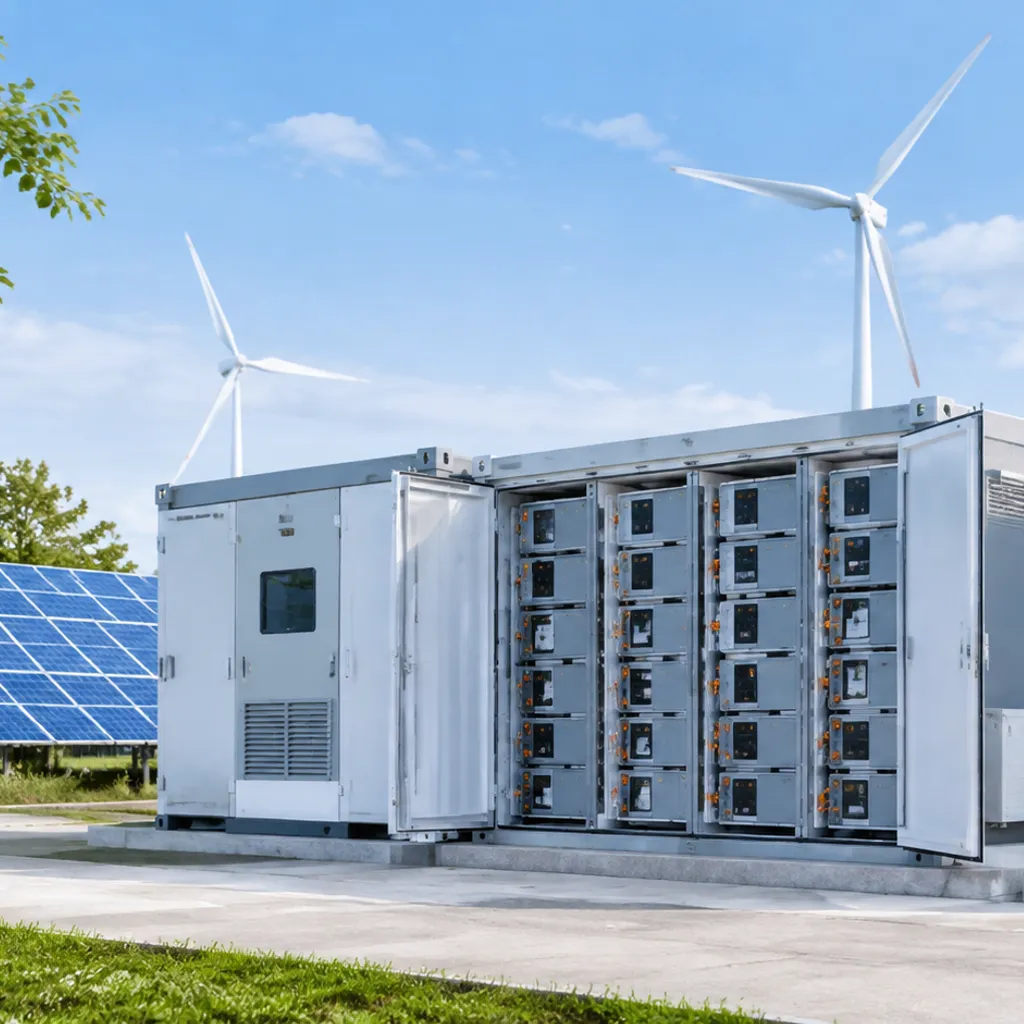
To understand the battery energy storage system BESS working principle, one must look at the four core pillars that enable reliable power management. These components work in harmony to ensure energy is stored efficiently and released safely whenever needed.
- Battery Modules: We prioritize high-performance cells, specifically utilizing LFP (Lithium Iron Phosphate) technology. These modules are chosen for their superior thermal stability and extended cycle life, which you can explore further in our guide on lithium iron phosphate battery system safety and cycle life.
- Power Conversion System (PCS): This serves as the brain of the power flow, utilizing bi-directional inverter technology. The PCS converts AC grid electricity into DC for storage and seamlessly switches to convert that DC back into AC for site usage or grid injection.
- Battery Management System (BMS): This is critical for operational longevity. The BMS actively monitors every cell, ensuring precise cell balancing and strict temperature regulation to prevent overcharging or degradation.
- Energy Management System (EMS): The EMS acts as the software commander, optimizing dispatch and economic efficiency. By analyzing real-time data, it determines when to store or discharge energy based on utility prices and demand patterns, often integrated within our commercial and industrial backup power systems.
By integrating these robust components, a battery energy storage system how it works solution becomes a dependable asset for any facility seeking energy independence and grid stability.
Why BESS Is Crucial for Grid Reliability
Enhancing Grid Stability
- Peak Shaving and Load Shifting: We use storage to capture energy when demand is low and release it during peak hours. This relieves stress on grid infrastructure and optimizes electricity costs.
- Frequency Regulation: Our systems provide near-instantaneous response to frequency deviations, maintaining grid equilibrium and preventing blackouts.
- Managing Intermittency: As we integrate more solar and wind, battery energy storage system how it works becomes essential for smoothing out the volatility of renewable sources, ensuring power is available when the sun isn't shining or the wind isn't blowing.
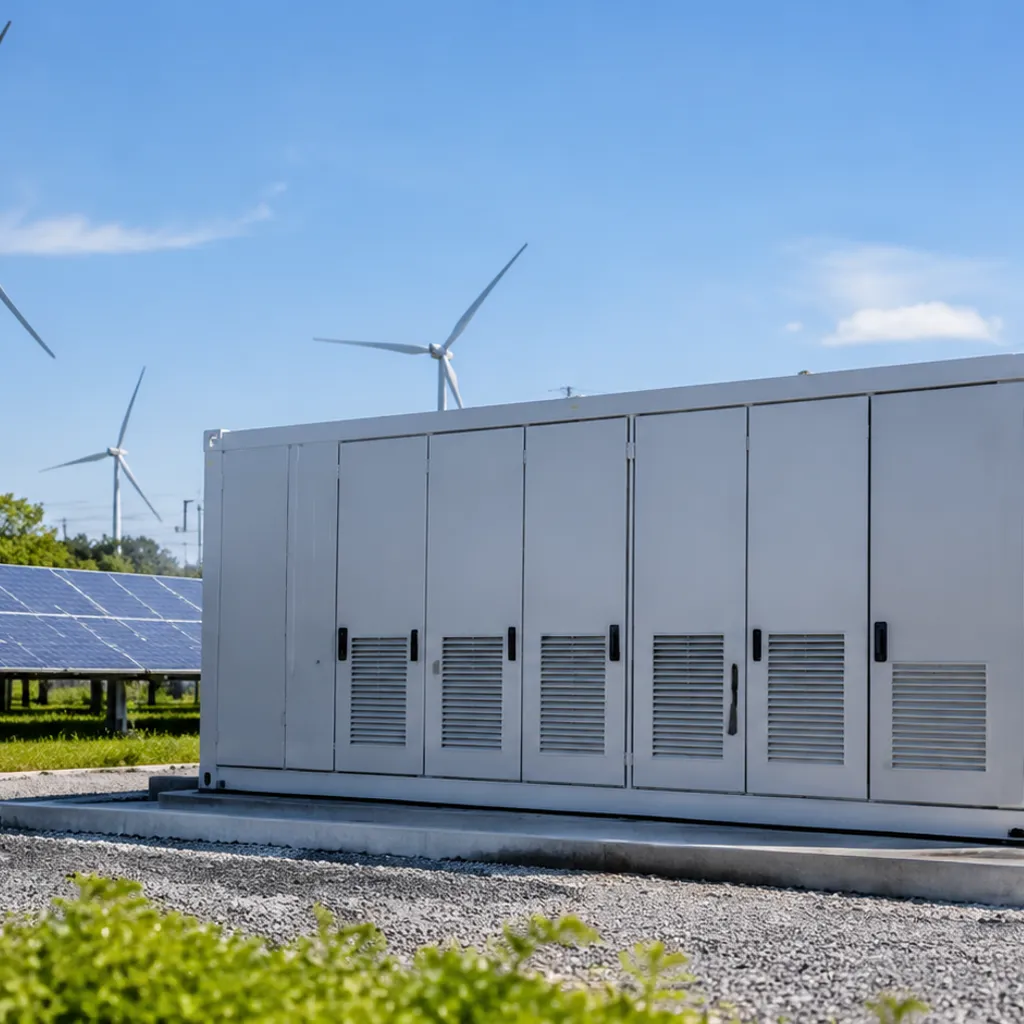
By deploying utility-scale battery storage containers, we transform unpredictable renewable generation into a dispatchable, reliable asset. This level of control is what allows modern facilities to maintain operational continuity while supporting the broader energy transition.
Technical Metrics for BESS Performance
Key Performance Indicators
System value is primarily driven by how efficiently energy is captured and released. Round-trip efficiency is the gold standard here, representing the percentage of energy recovered compared to what was originally put into the system. High-quality installations prioritize thermal management and integrated safety protocols to maximize the LFP battery energy storage system lifespan.
| Metric | Importance |
|---|---|
| Depth of Discharge (DoD) | Defines the usable capacity before the battery requires a recharge. |
| Round-Trip Efficiency | Measures energy loss during the charge and discharge cycle. |
| Thermal Management | Regulates operating temperatures to prevent degradation and fire risks. |
| Cycle Life | The total number of cycles a battery can undergo before capacity drops below a set threshold. |
Operational Reliability
Understanding battery energy storage system how it works involves looking at the safety-first design. We implement rigorous thermal management and monitoring to maintain stability across varying climate conditions. By optimizing the Depth of Discharge (DoD), we ensure that our storage solutions provide consistent energy availability while protecting the long-term integrity of the battery chemistry. Robust safety protocols and active cooling systems are essential for protecting assets in commercial and industrial settings.
FAQs About Battery Energy Storage
Understanding the practical application of these systems is vital for businesses looking to integrate renewable energy. Here are the answers to the most common questions regarding the battery energy storage system BESS working principle and general deployment.
- How long does a typical BESS installation last?
Most high-quality systems, such as our factory-direct LiFePO4 BESS solutions, are designed for a service life of 10 to 20 years. Longevity depends heavily on the depth of discharge and regular maintenance of the battery modules. - Can a battery energy storage system operate entirely off-grid?
Yes, BESS units are frequently deployed as off-grid energy storage systems to provide independent power. By managing load demand and solar input, these systems can function autonomously in remote or unstable grid environments. - Is BESS technology safe for commercial and industrial properties?
Modern BESS units prioritize safety through multi-layered Battery Management Systems (BMS). By continuously monitoring thermal conditions and cell balancing, these systems prevent overheating and ensure stable operation, making them a standard choice for grid-scale and commercial energy storage applications.
- How long does a typical BESS installation last?