Formula details
Product Details
Overview
Choose the Right Commercial Energy Storage Configuration
Selecting the optimal commercial ess solar energy storage system battery solution requires aligning your site load profile with the correct equipment architecture.
Available Modular Cabinet and Containerized System Formats
We provide two primary physical formats for commercial and industrial installations, ensuring seamless deployment across diverse site footprints:
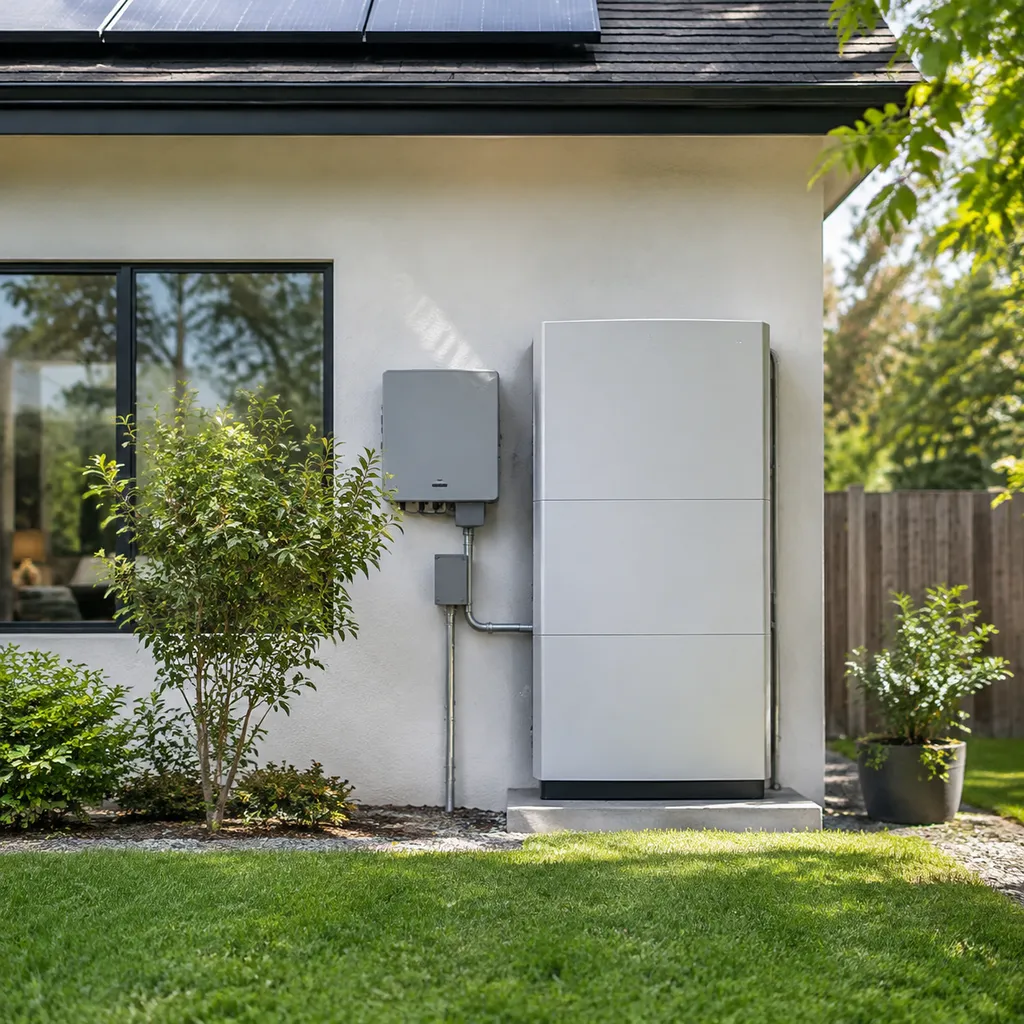
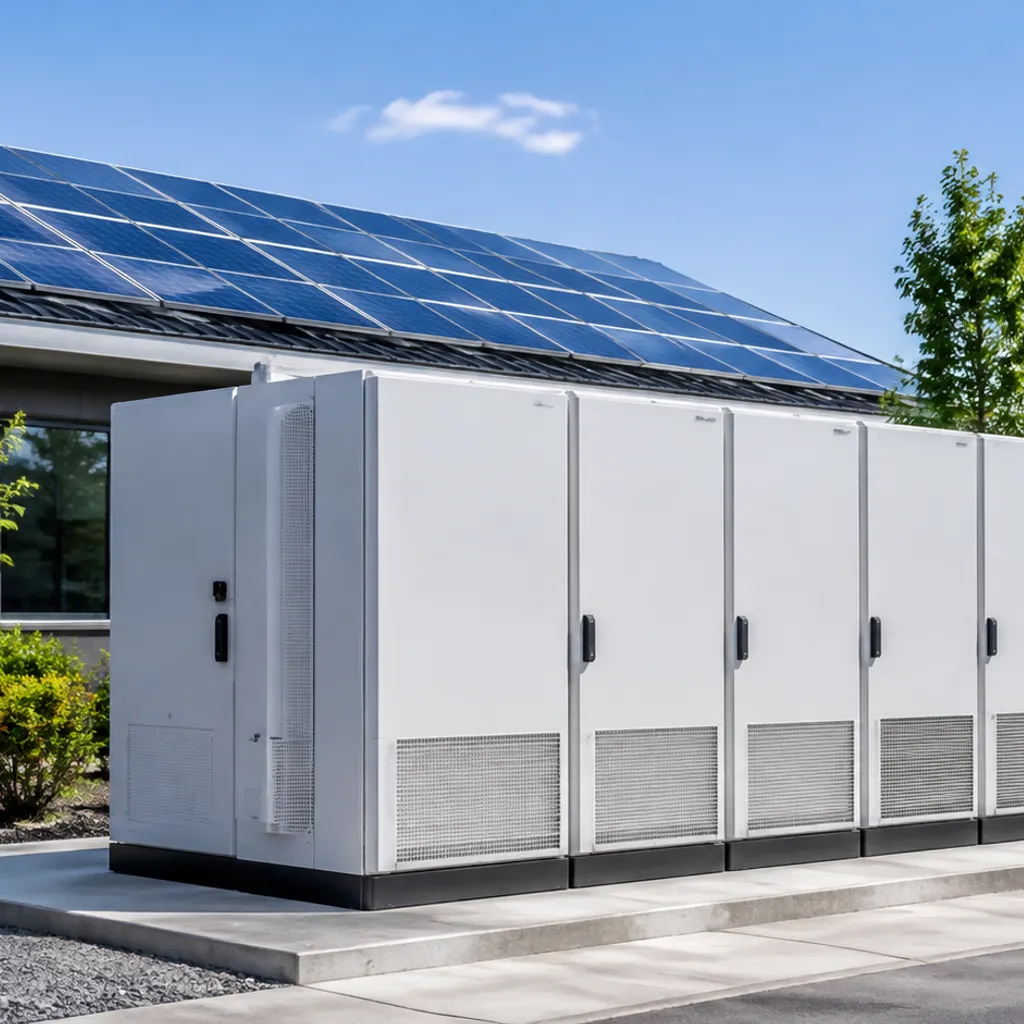
- Modular Outdoor Cabinets: Self-contained units integrating battery modules, power conversion systems (PCS), thermal management, and fire suppression. Best suited for small-to-medium commercial facilities, retail spaces, and sites with constrained physical footprints.
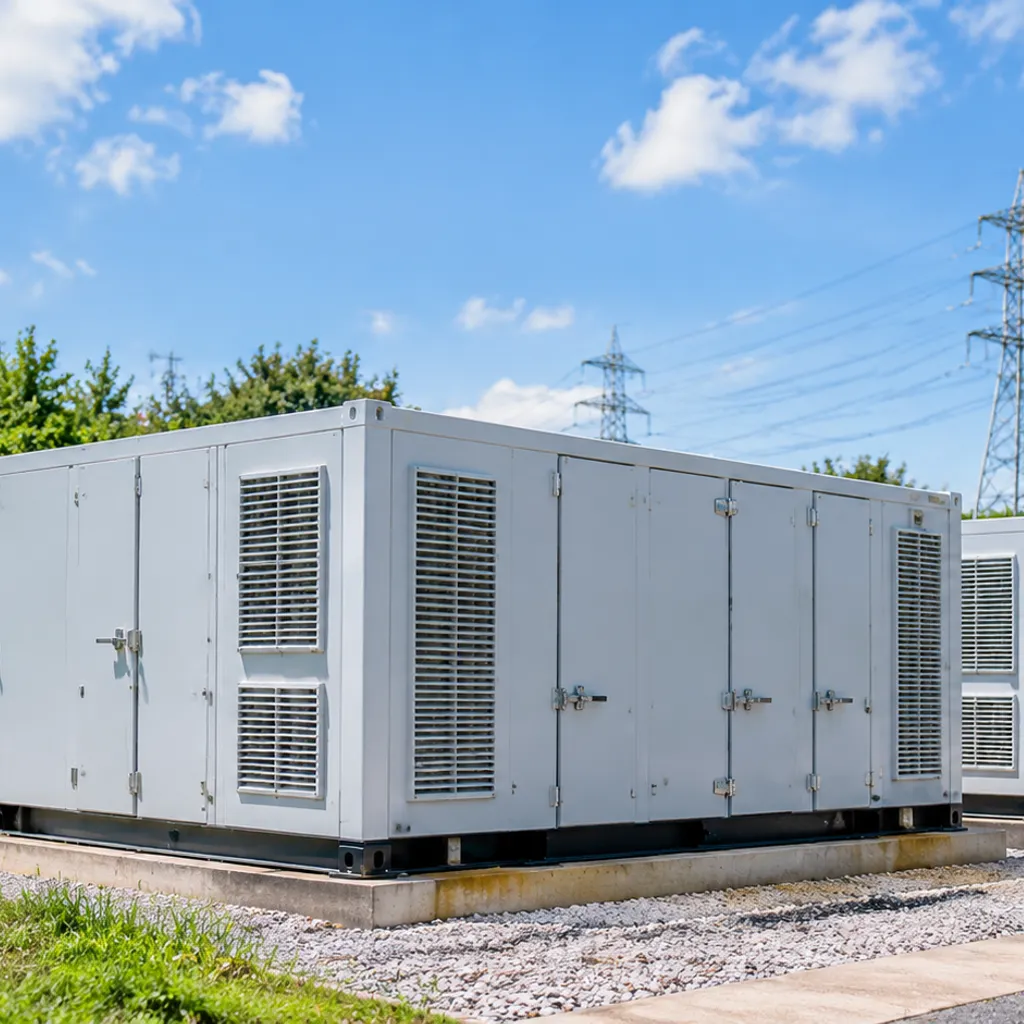
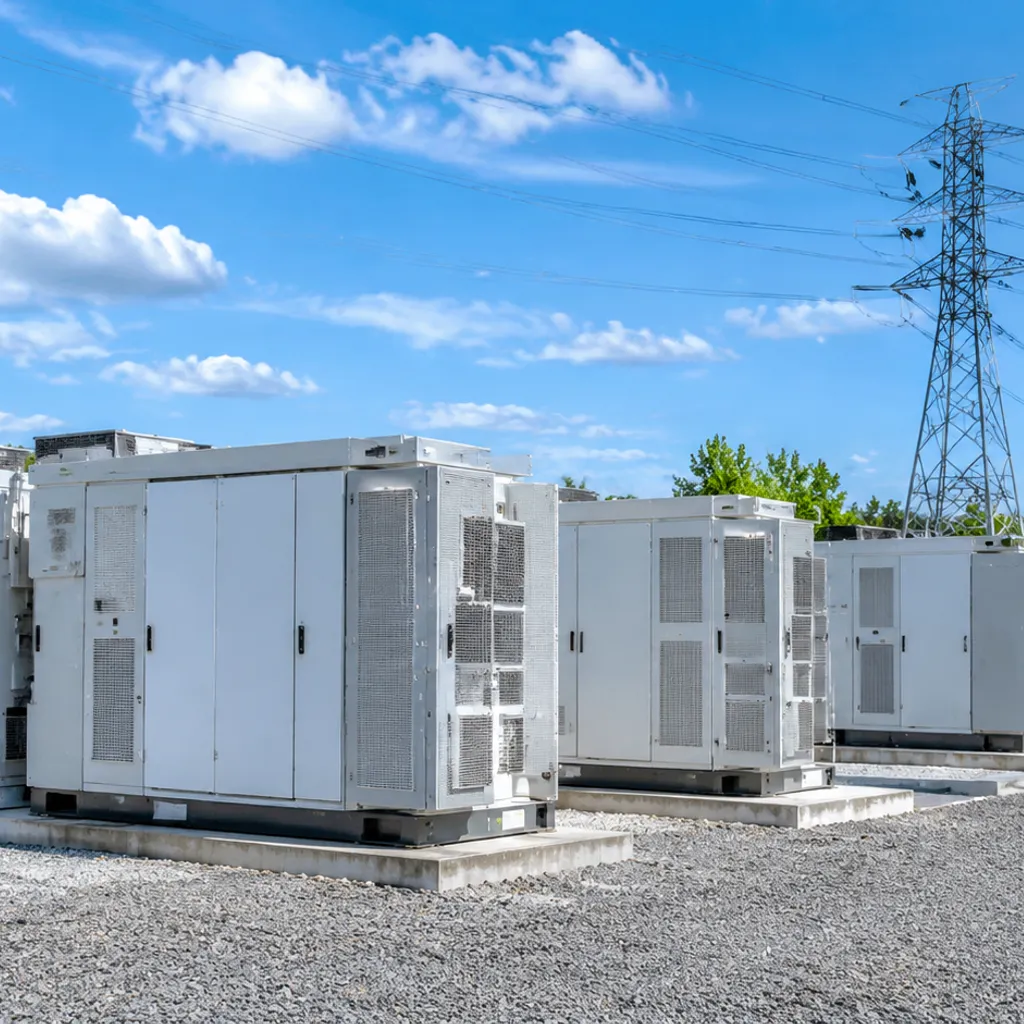
- Containerized BESS Enclosures: Pre-engineered 20-foot and 40-foot walk-in or non-walk-in utility-grade containers. Configured for large manufacturing plants, utility-scale interconnects, and heavy industrial facilities requiring multi-megawatt-hour capacity.
| Configuration Format | Typical Power (kW) | Energy Capacity Range | Primary Applications |
|---|---|---|---|
| All-in-One Cabinet | 30 kW – 250 kW | 60 kWh – 500 kWh | Small commercial facilities, retail, EV charging support |
| Containerized BESS | 500 kW – 2,000+ kW | 1 MWh – 4+ MWh | Industrial manufacturing, microgrids, large solar-plus-storage |
Compare kW Power, Usable kWh Capacity, and Discharge Duration
Sizing a commercial ESS demands a strict distinction between continuous power output and energy capacity:
- Power Rating (kW): The instantaneous maximum electrical output delivered to support critical loads or suppress site-wide demand spikes.
- Usable Capacity (kWh): The total usable energy volume available on a full cycle, accounting for depth-of-discharge (DoD) margins.
- Discharge Duration (C-Rate): Calculated by dividing usable kWh by continuous kW output.
- 0.5C Systems (2-Hour Discharge): Standard for commercial demand charge management and aggressive peak shaving.
- 0.25C Systems (4-Hour Discharge): Engineered for full-shift solar energy shifting, prolonged backup power, and complex time-of-use (TOU) arbitrage.
System Expansion Limits and Adding Parallel Storage Capacity
Our commercial LFP battery storage systems use modular, open-architecture interconnects. When your facility expands its electrical load or adds more solar PV capacity, our systems scale without replacing existing core hardware:
- Direct Parallel Architecture: Link multiple outdoor cabinets in parallel via common AC or DC busbars, managed by a centralized energy management system (EMS).
- Flexible Sizing Increments: Scale containerized solutions linearly to multi-MWh capacities to meet growing industrial demand.
- Integrated Safety & Balancing: Multi-tier battery management systems (BMS) balance voltage and thermal conditions across all connected racks automatically, maintaining safe operation as capacity expands.
Commercial Solar Storage Applications
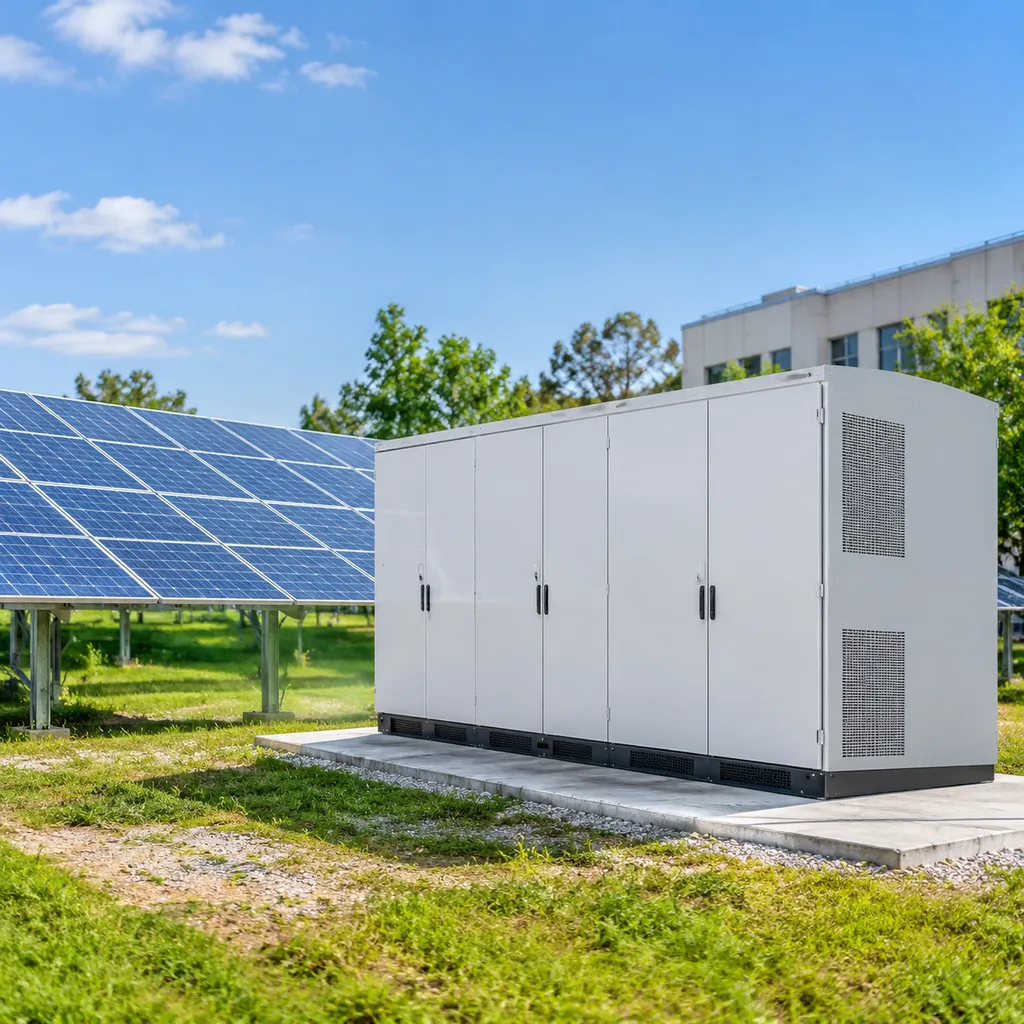
Maximize On-Site Solar Self-Consumption
Standard commercial PV setups often send surplus midday generation back to the grid for pennies. Our commercial lithium battery energy storage system with BMS captures this excess generation directly at the point of production. We store that low-cost energy on-site so your facility can draw from it during evening operations or overcast conditions, cutting your reliance on costly grid imports.
Reduce Peak Demand Charges with Targeted Discharge
Demand charges can account for up to 50% of a commercial electric bill. We program our peak shaving battery storage to detect facility load spikes instantly:
Real-time threshold tracking: The system monitors incoming load and immediately discharges when usage approaches preset utility limits.
Peak mitigation: Battery output dampens load spikes caused by heavy machinery, HVAC starts, or industrial processing cycles.
Utility bill stabilization: By capping peak kW draws, your monthly demand profile stays flat and predictable.
Arbitrage Energy Costs Around Time-of-Use (TOU) Utility Rates
Utility rate structures routinely punish facilities operating during peak demand windows. We configure the system's software to automatically capture arbitrage margins:
Off-peak charging: Charge the battery pack during designated low-cost hours or directly from midday solar.
On-peak discharging: Switch the building to stored battery power during the utility's highest tariff hours to avoid expensive grid pricing.
Provide Emergency Backup Power for Critical Business Loads
Grid outages halt production and damage inventory. We integrate dedicated microgrid switches that disconnect from the utility in milliseconds during a blackout:
Continuous uptime: Keep server rooms, cold storage, control systems, and basic facility operations active.
Seamless transition: Prevent production line downtime without the voltage sags typical of standalone generators.
Coordinate Solar PV, Battery Storage, and Commercial EV Charging
Electrifying a commercial vehicle fleet or adding workplace EV chargers introduces severe, localized load spikes. Our lithium battery energy storage system for solar applications acts as an intelligent buffer between the grid and high-power chargers. We route solar power into the batteries to charge vehicles without exceeding local transformer limits or triggering costly grid infrastructure upgrades.
Commercial ESS Technical Specifications
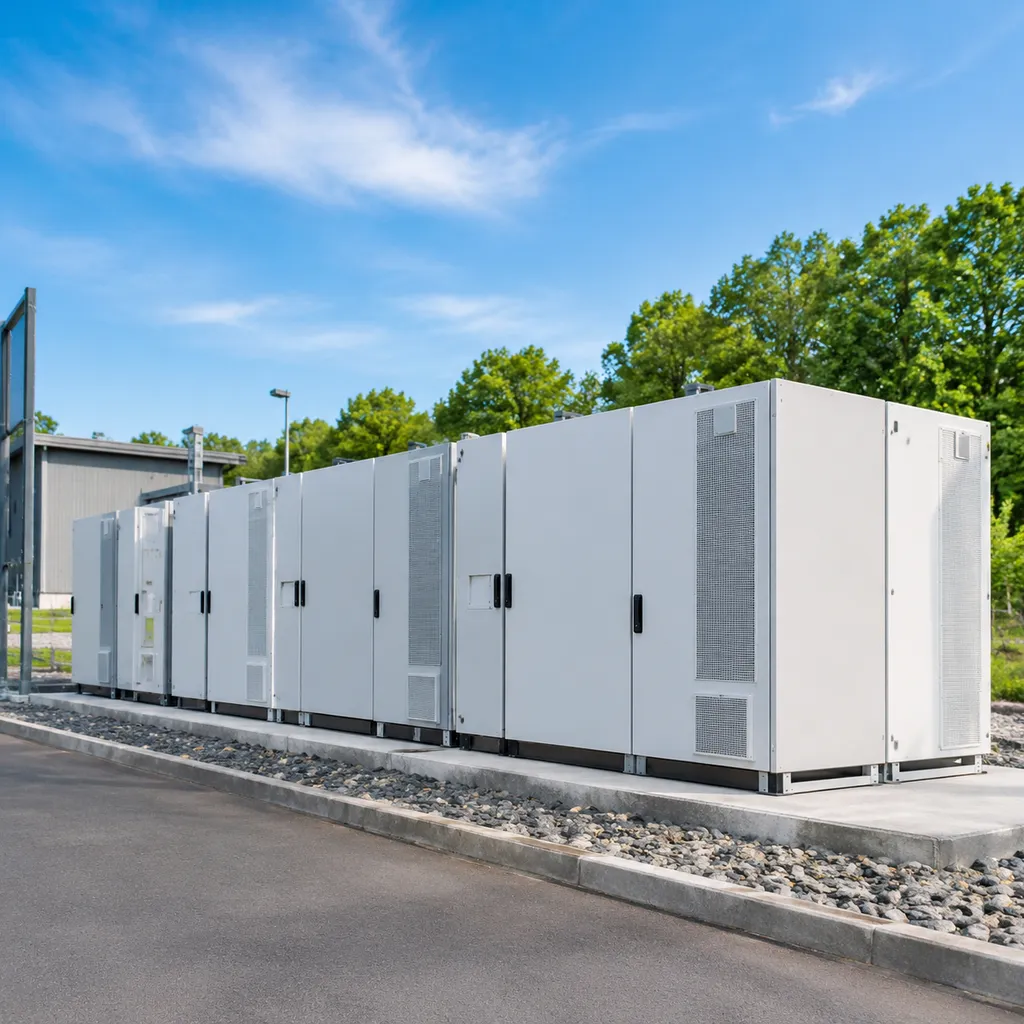
| Technical Parameter | Engineering Baseline |
|---|---|
| Battery Chemistry | Lithium Iron Phosphate (LiFePO4 / LFP) |
| DC Architecture | High-voltage rack architecture (standard commercial DC ranges) |
| System Round-Trip Efficiency (RTE) | 88% – 92% (AC-to-AC across full cycles) |
| Cycle Life Rating | 6,000+ cycles to 70%–80% End of Life (EOL) |
| Enclosure Protection | IP54 / IP55 rated outdoor enclosures |
| Cooling Topology | Industrial liquid cooling or smart forced-air HVAC |
| Communication Protocols | Modbus TCP/RTU, CAN bus, SunSpec, SCADA-ready |
Battery Chemistry, DC Voltage, and Capacity
We build our commercial battery energy storage system hardware around Lithium Iron Phosphate (LiFePO4) cells. LFP delivers proven chemical stability, high thermal runaway thresholds, and zero cobalt reliance.
- DC Voltage Optimization: High-voltage DC topologies minimize line losses between battery racks and the power conversion system (PCS).
- Usable Capacity Metrics: We rate systems on 100% usable depth of discharge (DoD) under managed charge and discharge limits, avoiding overrated nameplate figures.
- Modular Stacking: DC battery strings scale from standard cabinets up to multi-megawatt containerized enclosures without re-engineering base architectures.
Continuous AC Output, Phase Balance, and Surge Capability
Our bidirectional inverters deliver pure sine-wave AC power directly to your main switchboard.
- Continuous AC Delivery: Sized for full continuous operation under full rated capacity without thermal derating in standard ambient environments.
- Active Phase Balancing: Built-in phase balancing handles uneven, high-draw single-phase facility loads across three-phase electrical services.
- Surge Capability: Our PCS units handle inductive startup surges from heavy machinery, HVAC compressors, and industrial pumps without tripping the system offline.
Round-Trip Efficiency (RTE) and Auxiliary Consumption
Maximizing energy economics means keeping losses minimal:
- High AC-to-AC RTE: We design for high round-trip efficiency across the complete chain—cells, BMS, PCS, and isolation transformers.
- Auxiliary Power Optimization: Thermal HVAC cooling and control electronics draw power directly from the system. We configure dynamic thermal loops that idle auxiliary loads during standby, cutting parasite draw to preserve stored solar energy.
Cycle Life, Degradation, and Warranty Retention
Our commercial LFP battery storage system configurations are engineered for multi-decade deployment.
- Degradation Curves: Predictable linear degradation protects project economics over 10 to 15 years.
- Cycle Durability: Rated for 6,000+ full charge/discharge cycles before reaching 70% to 80% retained capacity.
- Performance Guarantees: Warranties are tied to energy throughput metrics (MWh processed) and standard operational limits, ensuring your capital investment remains fully protected over its lifecycle.
Operating Environment, Enclosures, and Clearances
Reliability in extreme ambient conditions requires ruggedized packaging:
- Outdoor-Rated Enclosures: Weatherproof enclosures protect battery modules and power conversion electronics from rain, sand, and humidity.
- Thermal Management: Closed-loop liquid cooling keeps cell-to-cell temperature deltas within tight tolerances, preventing hotspots and extending operational lifespan.
- Safety Integration: Cabinets are engineered to satisfy strict BESS protection and safety requirements standards, featuring built-in deflagration venting and automated gas detection.
- Service Clearances: Mechanical footprints include front-access service bays, reducing required setback distances from surrounding walls and equipment.
EMS/BMS Control Protocols and Cloud Monitoring
The intelligence layer transforms raw battery capacity into actionable cost savings:
- Three-Tier BMS: Real-time cell monitoring tracks voltage, temperature, and current down to individual cell groups, triggering microsecond-level contactor shutdowns during abnormal electrical events.
- EMS Integration: Cloud-connected Energy Management Systems communicate via standard industrial protocols (Modbus TCP/RTU, CAN, and Ethernet) for automated peak shaving and scheduled solar charging.
- Live Telemetry & Diagnostics: Operators access real-time dashboards to track state of charge (SoC), state of health (SoH), tariff arbitrage execution, and automated safety alerts.
Solar Integration and Electrical System Architecture
Connecting a commercial ess solar energy storage system battery solution to your facility requires an electrical architecture tailored to your specific load profiles and generation assets. We design our systems to integrate seamlessly with both new solar projects and existing commercial photovoltaic installations.
AC BUS / MAIN DISTRIBUTION PANEL
| | |
v v v
[ Commercial Loads ] [ Grid Interconnection ] [ Bi-directional PCS ]
^
| (Bi-directional AC/DC)
v
[ LFP Battery System ]
(BMS + Safety Controls)
AC-Coupled vs. DC-Coupled Solar PV Integration
We deploy two primary integration topologies depending on your current site infrastructure:
- AC-Coupled Systems: Best suited for existing commercial solar arrays. The battery system connects directly to the facility’s main AC distribution bus via its own dedicated bi-directional inverter. This architecture allows independent operation of the PV system and storage, simplifying utility interconnection permits and retrofits.
- DC-Coupled Systems: Best suited for new, ground-up solar-plus-storage projects. Both the solar strings and the battery bank share a common DC bus connected through a central hybrid inverter or DC-DC converters. This reduces conversion steps (DC-AC-DC), delivering higher overall round-trip efficiency for midday solar charging.
| Feature | AC-Coupled Architecture | DC-Coupled Architecture |
|---|---|---|
| Primary Application | Solar retrofits & existing facilities | New solar-plus-storage builds |
| System Flexibility | High; equipment brands operate independently | Moderate; tightly paired power components |
| Installation Complexity | Low; minimal disruption to current PV arrays | Higher initial engineering design |
| Conversion Efficiency | Efficient for grid and direct load dispatch | Highly efficient for direct PV-to-battery charging |
Core Scope of Supply: Battery Racks, PCS, BMS, and EMS Controls
Our integrated commercial ESS battery solution includes four critical layers that work as a unified power plant. When planning your project footprint, our comprehensive battery energy storage EPC scope ensures all mechanical, electrical, and control interfaces are aligned before delivery:
- LFP Battery Racks: High-density Lithium Iron Phosphate modules engineered for thermal stability, high discharge cycles, and long asset lifespans.
- Power Conversion System (PCS): High-efficiency bi-directional inverters that convert power between DC battery storage and AC facility distribution, offering rapid four-quadrant power adjustments.
- Battery Management System (BMS): A multi-tiered monitoring framework tracking cell-level voltage, current, and temperature to isolate faults in milliseconds.
- Energy Management System (EMS): The central intelligence platform governing charge and discharge schedules, peak shaving, and demand response algorithms.
Site Operating Modes, Export Limitation, and Microgrid Islanding Controls
We program our C&I energy storage controllers with flexible operating modes to adapt to local utility interconnect rules and operational needs:
- Export Limitation Control: Metering sensors at the utility point of common coupling (PCC) monitor power flow in real time. If solar production exceeds on-site demand and grid export is restricted, our EMS throttles solar output or redirects excess power into the battery.
- Time-of-Use & Peak Shaving: The system discharges automatically during high-tariff utility windows to cap facility peak demand charges.
- Microgrid Islanding & Backup: In the event of a grid failure, an automated transfer switch (ATS) disconnects the facility from the main grid within cycles. The PCS immediately shifts from grid-following to grid-forming mode, creating a stable local microgrid that powers designated critical distribution panels.
Battery Safety Standards and Market Compliance
Multi-Level Battery Management and Rapid Fault Isolation
Our architecture isolates electrical faults instantly before abnormal current spreads across the rack:
- Cell-to-Module Monitoring: Dedicated cell supervisory units track voltage, internal resistance, and temperature variations in real time.
- Rack-Level Protection: High-speed contactors and direct-acting DC fuses cut overcurrent conditions within milliseconds.
- System-Wide BMS Coordination: An industrial-grade ESS battery management system communicates directly with the PCS to throttle charge or initiate controlled shutdown if parameters exceed safe thresholds.
We rely on stable chemistries backed by rigorous engineering. Understanding lithium iron phosphate battery system safety and cycle life helps teams assess how stable cell chemistry prevents thermal runaway propagation right from the start.
Thermal Management Systems, HVAC Cooling, and Fire Suppression
Controlling cell operating temperatures ensures maximum operational life and fire resilience in outdoor commercial LFP battery storage system installations:
| Safety Subsystem | Mechanism & Function |
|---|---|
| Active Thermal Management | Industrial HVAC or closed-loop liquid cooling keeps cell temperature variation across the pack within ±2°C to ±3°C. |
| Environmental Protection | Heavy-duty, IP-rated enclosures safeguard electrical components from dust ingress, humidity, and coastal salt spray. |
| Early Gas Detection | Multi-gas sniffers register off-gassing particles before temperature spikes occur. |
| Automated Fire Suppression | Integrated clean-agent or aerosol fire suppression releases directly inside the cabinet alongside mechanical deflagration venting. |
Key Safety Certifications and Local Standards: UL 9540, UL 1973, UL 9540A, and NFPA 855
Navigating permitting with the local Authority Having Jurisdiction (AHJ) requires compliance with non-negotiable safety benchmarks:
- UL 1973: Validates the mechanical integrity, electrical protection, and functional safety of the stationary battery modules and packs.
- UL 9540: Certifies the entire integrated energy storage system, including the battery, inverter/PCS, thermal controls, and fire safety systems as a unified piece of equipment.
- UL 9540A: Provides the large-scale fire test data that evaluates thermal runaway propagation across cells, modules, and entire rack assemblies.
- NFPA 855: Directs the safe installation, minimum separation distances, allowable energy capacities per grouping, and water-supply requirements for commercial solar-plus-storage systems.
Commercial Battery Storage Cost and Payback Analysis
Capital Cost Drivers: Hardware, Installation, and Interconnection
Upfront commercial battery storage cost breaks down into three distinct budget categories:
- Hardware (Equipment Scope): Comprises factory-assembled LiFePO4 battery modules, bidirectional power conversion systems (PCS), multi-tier battery management systems, integrated fire suppression, and liquid or HVAC thermal controls. Review our LFP battery energy storage system guide on safety, cost, and lifespan to evaluate equipment build quality against long-term operational expenses.
- Civil Works and Site Installation: Encompasses engineered concrete foundation pads, underground conduit trenching, crane placement, and AC tie-ins to main distribution panels.
- Utility Interconnection and Permitting: Covers local authority having jurisdiction (AHJ) structural/fire permitting, utility impact studies, grid protection relays, and transformer upgrades where necessary.
| Budget Component | Share of Total CapEx | Primary Cost Factors |
|---|---|---|
| BESS Hardware & PCS | 50% – 65% | Chemistry, C-rate, enclosure IP rating, integrated safety systems |
| Site Civil & Electrical Labor | 20% – 30% | Cable run lengths, switchgear capacity, concrete pad requirements |
| Engineering, Permitting & Interconnection | 10% – 20% | Utility grid study fees, witness testing, municipal fire compliance |
Financial Savings Breakdown: Demand Charge Shaving vs. Energy Arbitrage
We structure our control algorithms to prioritize the highest-value revenue streams based on your specific utility rate schedule:
- Peak Demand Charge Shaving: In many industrial utility tariffs, peak demand fees account for 30% to 70% of the total monthly electricity bill. A commercial BESS detects load spikes in real time, instantly discharging to suppress 15-minute demand peaks. Review the benefits of peak shaving for lower energy costs to see how curtailing short billing spikes transforms industrial utility statements.
- Time-of-Use (TOU) Energy Arbitrage: We configure the EMS to charge battery banks during low-cost off-peak periods or directly from on-site solar, then discharge during high-tariff windows to avoid expensive grid power purchases.
- Solar Self-Consumption Optimization: Storing excess daytime PV generation on-site keeps zero-export facilities compliant while eliminating the financial loss of curtailed clean power.
Calculating Project Payback, Lifecycle ROI, and Incentives
Standard commercial solar-plus-storage projects routinely realize full capital payback within 3 to 7 years, depending heavily on local rate design and regional incentives.
- Financial Incentives: Tax credits, clean energy rebates, and accelerated depreciation (MACRS) significantly reduce net initial outlay.
- Degradation-Adjusted Returns: Our financial modeling accounts for natural capacity fade over a 10- to 15-year operational life, ensuring baseline savings remain reliable through end-of-life thresholds.
- Levelized Cost of Storage (LCOS): By matching high-cycle LFP cells to precise discharge duty cycles, our team balances total round-trip efficiency with cell longevity to maximize net lifetime returns.
Site Installation, Commissioning, and Ongoing Support
Deploying a commercial ess solar energy storage system battery solution requires structured planning, precise civil engineering, and rigorous commissioning. We manage the deployment lifecycle end-to-end to ensure your battery asset connects smoothly to your existing solar infrastructure and the local utility grid.
Site Preparation, Foundation Requirements, and Clearance Guidelines
Proper civil preparation minimizes installation delays and ensures long-term operational safety:
- Foundation Engineering: High-density outdoor battery enclosures and containerized units demand reinforced concrete pads designed for heavy static loads. Soil bearing capacity must be certified prior to pouring.
- Safety & Service Clearances: We maintain minimum clearances around all sides of the enclosures to comply with local fire regulations, ensure proper thermal airflow, and provide technicians with unrestricted access for maintenance.
- Conduit and Cabling Runs: Pre-cast trenching and dedicated conduit routes separate DC lines, AC busbars, and low-voltage BMS/EMS communication runs to prevent electromagnetic interference.
| Deployment Parameter | Standard Requirement |
|---|---|
| Foundation Type | Reinforced concrete pad (engineered to site soil conditions) |
| Clearance Setbacks | Minimum 3 to 10 ft (subject to NFPA 855 / local safety codes) |
| Environmental Rating | Outdoor-rated enclosure with weather-sealed cable glands |
| Accessibility | Direct crane/rigging access path and service vehicle clearance |
Delivery Timeline, Grid Interconnection Testing, and System Commissioning
From delivery logistics to commercial operation, we execute a streamlined deployment workflow:
- Logistics & Rigging: We coordinate specialized transport and crane offloading to place the battery cabinets or containers directly onto the cured foundation.
- Electrical Integration: Our team ties the battery storage system into your on-site switchgear, solar PV inverters, and utility point of common coupling (PCC). For large-scale industrial projects, integrating a dedicated 1 MW battery energy storage system for grid support requires coordinated high-voltage electrical protection and relay settings.
- Interconnection Testing: We perform full-scope commissioning, including cold commissioning (wiring verification, insulation checks), hot commissioning, dynamic load testing, export-limiting validation, and automated safety shutdowns before commercial sign-off.
Ongoing Remote Diagnostics, Scheduled Preventive Maintenance, and Warranty Support
Long-term performance relies on proactive monitoring and consistent preventative maintenance:
- 24/7 Cloud Remote Diagnostics: Automated EMS platforms track cell temperatures, state of charge (SOC), state of health (SOH), and balance conditions in real time, alerting engineers to anomalies before downtime occurs.
- Preventive Maintenance Visits: Scheduled field inspections cover HVAC and liquid cooling fluid levels, electrical torque checks, filter replacements, and fire suppression system audits.
- Warranty & Lifecycle Coverage: We back our systems with multi-year performance and capacity retention warranties, ensuring rapid on-site replacement services and ongoing firmware updates to optimize battery longevity.
Commercial ESS Solar Battery Solution FAQs
What size commercial battery storage system does my facility need?
We determine system sizing by reviewing your 12-month interval utility load data, peak power spikes (kW), daily solar generation profile, and mission-critical backup loads. Sizing typically focuses on a 2-hour or 4-hour discharge duration to offset peak utility pricing or shave demand spikes for an industrial facility battery energy storage system (BESS).
What is the difference between battery power (kW) and capacity (kWh)?
Understanding the distinction ensures your facility gets the correct performance:
| Metric | Definition | Facility Impact |
|---|---|---|
| Power (kW) | Maximum rate of electrical discharge or charge | Dictates how much peak load the battery can offset instantly |
| Capacity (kWh) | Total usable volume of energy stored in the pack | Dictates how many hours the system can sustain that discharge rate |
Can this storage solution connect to my existing commercial solar array?
Yes. Our commercial ESS integrates seamlessly with operating PV plants. We generally apply AC coupling at the main distribution panel, which allows the battery system to operate alongside existing inverters without disturbing current warranties. When retrofitting existing plants, adding battery storage to solar systems requires minimal disruption to your daily operations.
Can the ESS run critical equipment during a power outage?
Yes. When paired with an automatic transfer switch (ATS) or microgrid controller, our commercial ess solar energy storage system battery solution forms an intentional island. It decouples your facility from the grid in milliseconds, supplying continuous power to emergency panels, IT infrastructure, refrigeration, or essential manufacturing machinery.
How long can the battery sustain my facility's backup loads?
Backup duration depends on total load draw versus usable kWh capacity. Under average critical load operations, standard configurations support 2 to 8 hours of standalone runtime. When paired with active commercial solar PV generation, the system can continuously recharge during daylight hours to sustain extended multi-day off-grid operation.
What factors have the biggest impact on total installed cost?
- Storage Capacity vs. Inverter Power: Higher kWh-to-kW ratios require more battery enclosures.
- Electrical Infrastructure: Transformer upgrades, switchgear additions, and distance between interconnection points.
- Civil & Structural Scope: Concrete pad requirements, fire separation barriers, and seismic anchoring.
- Permitting & Interconnection: Local utility impact studies and compliance testing protocols.
Can a battery reduce demand charges and boost solar consumption simultaneously?
Yes. Our intelligent Energy Management System (EMS) runs automated multi-application algorithms. The system stores excess solar energy produced mid-day to avoid low export tariffs, while reserving dynamic capacity to discharge instantly whenever facility power draws threaten to set a new monthly utility demand peak.
Can I add more battery capacity after the initial installation?
Yes. We deploy modular, scalable architectures. Both our outdoor cabinet lineups and containerized configurations support parallel additions, allowing you to expand storage capacity (kWh) and power conversion (kW) as your facility loads grow or your EV fleet charging demands increase.
Which safety codes and utility approvals apply to commercial ESS projects?
Commercial storage systems must comply with rigorous international safety and grid-tie frameworks:
UL 9540 & UL 1973: Complete system safety and battery pack safety certification.
UL 9540A: Large-scale fire test evaluation data for thermal runaway management.
NFPA 855: Standard for the installation of stationary energy storage systems.
IEEE 1547 / UL 1741: Interconnection and grid protection compliance for parallel operation.
What warranties and ongoing maintenance schedules are required?
Commercial batteries carry tiered performance warranties covering operational years, total energy throughput, and end-of-warranty capacity retention limits (typically 70% to 80%). Maintenance schedules are straightforward: semi-annual inspections of HVAC or liquid cooling loops, physical filter checks, DC terminal torque verification, and continuous 24/7 remote BMS/EMS diagnostic tracking.