Formula details
Product Details
Overview
15kW Solar System with Battery Storage Overview
Understanding the Role of a 15kW Solar-Plus-Storage Setup
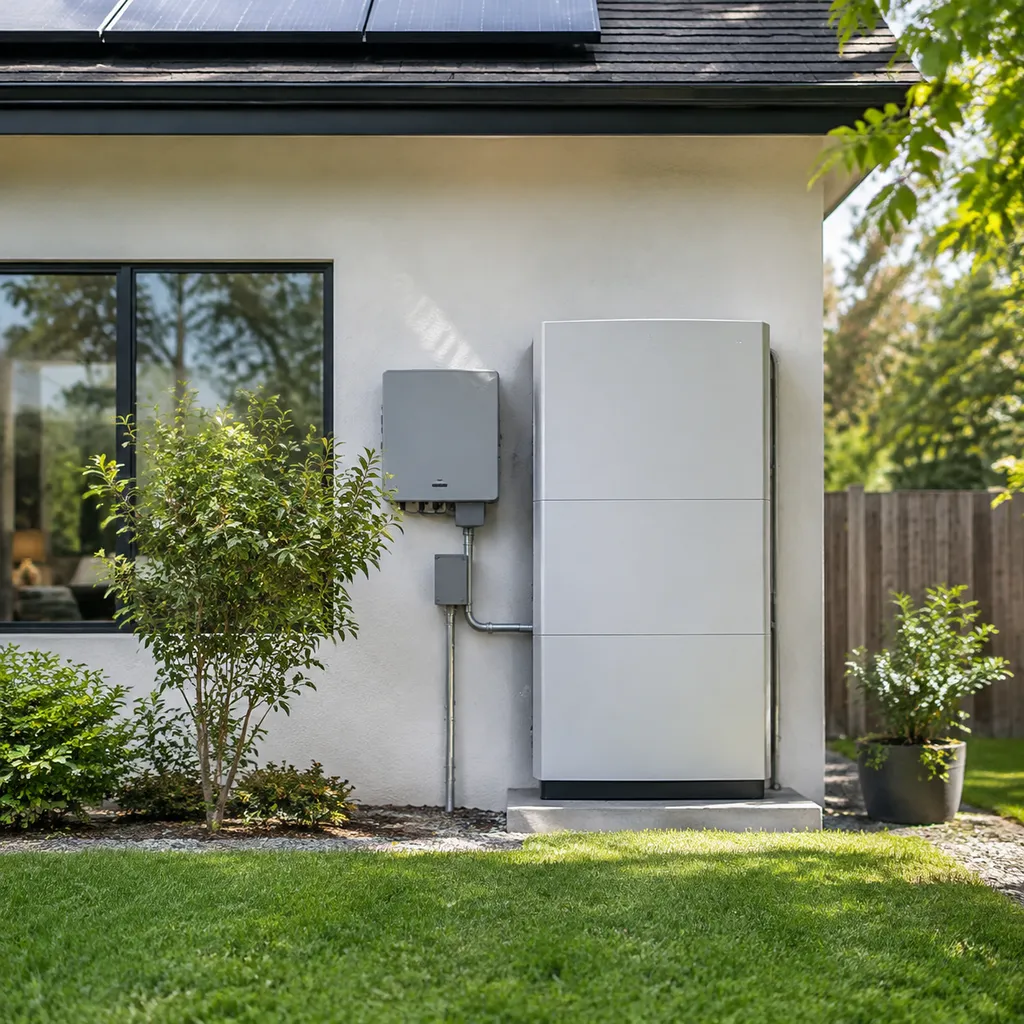
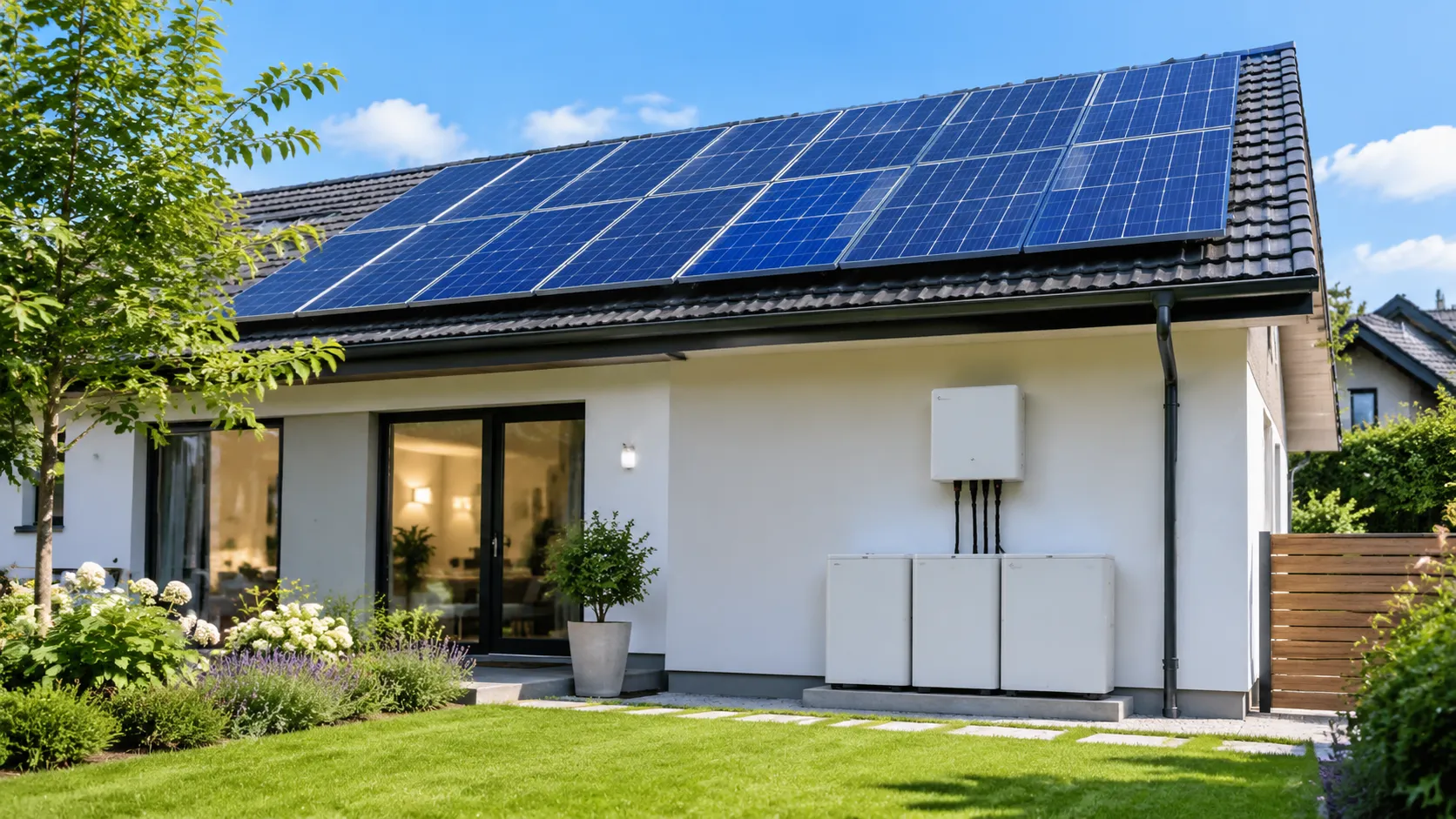
A 15kW solar-plus-storage architecture serves as a primary power hub, directly synchronizing solar harvesting, grid interaction, and energy reserves. Our manufacturing focus centers on eliminating system mismatch issues by producing matched hybrid inverters and battery systems engineered to communicate seamlessly.
- Primary Power Generation: High-efficiency photovoltaic arrays convert solar irradiance into usable direct current (DC).
- Dynamic Inversion: Our hybrid inverters convert DC power to alternating current (AC) with minimal thermal loss.
- Intelligent Energy Buffering: Excess solar generation charges our Grade-A LiFePO4 battery modules instead of being exported to the grid at low feed-in tariffs.
- Operational Continuity: In the event of grid instability or total failure, the system automatically isolates from the grid and powers critical loads without dropping operation.
Distinguishing 15kW Inverter Output from Battery Storage Capacity in kWh
Procurement teams and EPC contractors must separate instantaneous power output (kilowatts, kW) from total stored energy capacity (kilowatt-hours, kWh):
| Parameter | Unit of Measure | System Function | Standard Manufacturer Configuration |
|---|---|---|---|
| Inverter Continuous Output | kW | Dictates the instantaneous electrical load the system can run at any given moment. | 15kW continuous AC output (supports surge ratings for inductive motor loads) |
| Battery Storage Capacity | kWh | Dictates the duration the system can sustain those electrical loads over time. | Scalable modular banks: 15kWh, 20kWh, 30kWh, up to 60kWh+ |
Our factory designs systems where a 15kW hybrid inverter can be paired with variable battery capacities. A 15kW continuous load will deplete a 15kWh battery bank in roughly one hour, whereas a modular 30kWh or 45kWh bank provides extended runtimes across overnight operations or prolonged outages.
Core Operating Modes: Grid-Tied, Backup, and Off-Grid Configurations
Our integrated hardware supports three core operating profiles directly configured through the firmware:
- Grid-Tied Self-Consumption Mode: The system prioritizes local consumption by directing solar power straight to active loads, using battery storage to cover evening peak demand, and minimizing grid purchases during high-tariff utility windows.
- Critical Backup (UPS) Mode: Batteries remain fully charged via solar or off-peak utility power. Upon detection of a grid fault, the inverter transfers to isolated backup mode in under 10ms, maintaining clean power to servers, refrigeration, and security gear.
- Pure Off-Grid Mode: Built for remote installations without utility grid access. The system manages generation, storage, and auxiliary inputs—such as diesel generators—with automatic generator start (AGS) support to deliver stable power 24/7.
Complete 15kW System Package Configurations
Tier-1 High-Efficiency Solar PV Module Arrays
Our packages include high-output monocrystalline PV panels featuring half-cut cell technology to deliver high conversion efficiency even in low-light environments.
Cell Architecture: Monocrystalline PERC / TopCon cells
Power Ratings: 550W to 600W+ panels optimized for high-voltage DC stringing
Durability: Heavy-duty anodized aluminum frames rated for high snow and wind loads
15kW Hybrid Inverter Options
We build our hybrid inverters to bridge photovoltaic generation, energy storage, the utility grid, and external generators.
Grid Topologies: Available in single-phase split-phase designs or standard three-phase configurations.
Solar Inputs: Dual or triple independent MPPT trackers to manage split roof orientations.
Switching Speed: Built-in automatic transfer functionality with under 10ms UPS-class switchover for uninterrupted operation during grid failures.
Modular LiFePO4 Battery Storage Banks
Our battery storage solutions utilize automotive-grade Lithium Iron Phosphate (LiFePO4) chemistry to maintain maximum thermal stability and a long operational lifespan. Review our battery energy storage system advantages and setup guide for detailed layout planning.
Architecture: Modular stackable towers or standard rack-mounted enclosures.
Cell Longevity: Rated for 6,000 or more cycles at 80% Depth of Discharge (DoD).
Scalability: Easily expanded from 15kWh baseline capacities up to 30kWh+ without re-wiring the master controller.
Smart Battery Management Systems (BMS) and Communication
Every battery bank integrates our multi-level BMS hardware to monitor real-time operating health at the cell level.
Hardware Protection: Automated defense against over-voltage, deep discharge, over-current, and thermal runaway.
Data Protocols: Integrated CAN bus and RS485 communication protocols for plug-and-play handshakes with the 15kW inverter.
Telemetry: Plug-in Wi-Fi, 4G, or Ethernet dongles for continuous cloud-based reporting and remote firmware updates.
Balance of System (BOS) Components and Safety
We supply factory-tested balance-of-system hardware to maintain strict safety standards and speed up installation:
DC/AC Distribution: Pre-wired combiner boxes, heavy-duty DC isolators, and integrated surge protection devices (SPDs).
Mounting Racks: Aluminum ground-mount or roof-mount racking systems matched to the specific panel layout.
Interconnects: Pre-crimped solar PV cables, high-current battery terminal links, and industrial IP65 cable glands.
| Component | Standard Specification | Key Advantage |
|---|---|---|
| Solar Array | 15kW to 18kW DC Tier-1 Monocrystalline Modules | High conversion efficiency, minimal degradation |
| Hybrid Inverter | 15kW Output (Single-Phase or Three-Phase) | Dual/Triple MPPTs, under 10ms UPS transfer |
| Storage Unit | 15kWh – 30kWh+ Modular LiFePO4 Banks | 6,000+ cycles, scalable stackable architecture |
| Protection / BMS | Multi-Protocol CAN/RS485 Smart Controller | Real-time cell monitoring, thermal protection |
| System Enclosure | IP65 Weatherproof Housings | Reliable indoor or outdoor deployment |
Technical Specifications and Engineering Parameters
Continuous Output and Peak Surge Capacity Ratings
Our 15kW hybrid inverters deliver 15,000W of continuous AC output across balanced three-phase or split-phase lines. To handle heavy inductive loads such as commercial chillers, water pumps, and air compressors, the inverter features a built-in surge rating of up to 200% (30kVA) for 10 seconds. This surge capacity ensures equipment starts up smoothly without triggering inverter protection trips or relying on grid assistance.
Dual and Multi-MPPT Solar Input Tracking Ranges
Every 15kW inverter incorporates dual or triple independent Maximum Power Point Trackers (MPPTs) with an ultra-wide operating voltage window (150V–850V DC). This flexible architecture allows installers to design asymmetric string layouts across different roof orientations and pitch angles while maximizing PV harvesting under partial shading conditions. Maximum PV input capacity supports up to 22.5kWp (150% DC oversizing).
Low-Voltage vs. High-Voltage Battery Architecture
For a 15kW system, selecting between low-voltage (LV) and high-voltage (HV) battery storage impacts system efficiency, installation footprint, and thermal management:
| Parameter | Low-Voltage (LV) Storage | High-Voltage (HV) Storage (Recommended) |
|---|---|---|
| Nominal Voltage | 48V / 51.2V DC | 160V – 600V+ DC (Stackable) |
| Max Continuous Current | ~300A (Requires heavy-gauge copper) | 30A – 50A (Standard wiring) |
| Round-Trip Efficiency | ~92% - 94% | >97.5% (Lower heat generation) |
| System Scalability | Parallel rack-mount units | Modular vertical stacking |
| Primary Suitability | Standard residential retrofits | Heavy commercial and large-estate backup |
Our high-voltage solar battery storage system operates with significantly lower current draw, minimizing line losses, reducing wire thickness, and maintaining cooler operating temperatures across high-cycle commercial cycles.
Automatic Transfer Switch (ATS) Speeds and Blackout Response
Grid fluctuations require instantaneous failover protection to protect sensitive industrial electronics and IT servers. Our integrated Automatic Transfer Switch delivers an ultra-fast transfer time of less than 10 milliseconds (<10ms). When grid failure occurs, the 15kW solar inverter and battery package switches to island mode seamlessly without rebooting connected appliances or dropping critical loads.
Cycle Life Ratings, Depth of Discharge, and Environmental Tolerances
Our battery banks use Tier-1 prismatic Lithium Iron Phosphate cells designed according to strict lithium iron phosphate battery safety and cycle life standards.
- Cycle Life: Rated for $ge$6,000 cycles at 80% Depth of Discharge (DoD) under standard 0.5C charge/discharge rates.
- Usable Capacity: Up to 90% DoD in daily cycling profiles without accelerated cell aging.
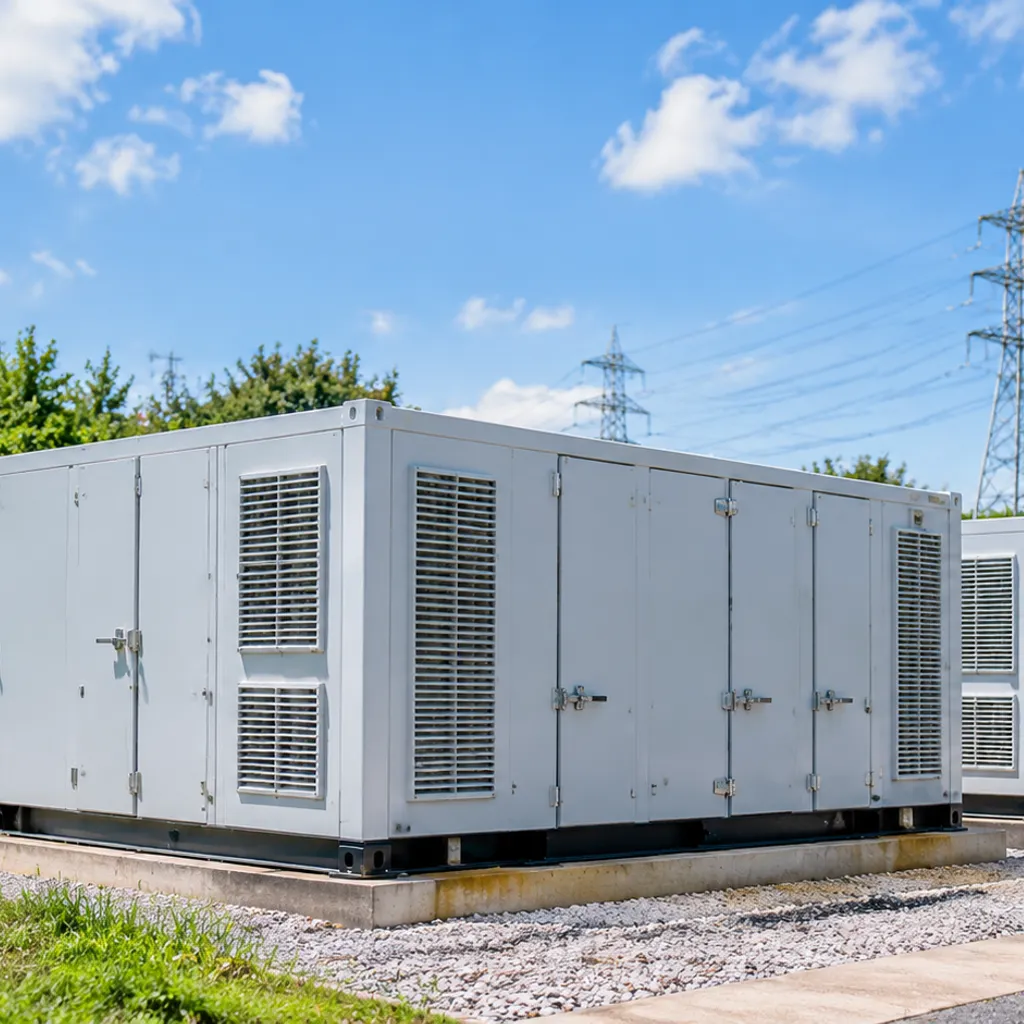
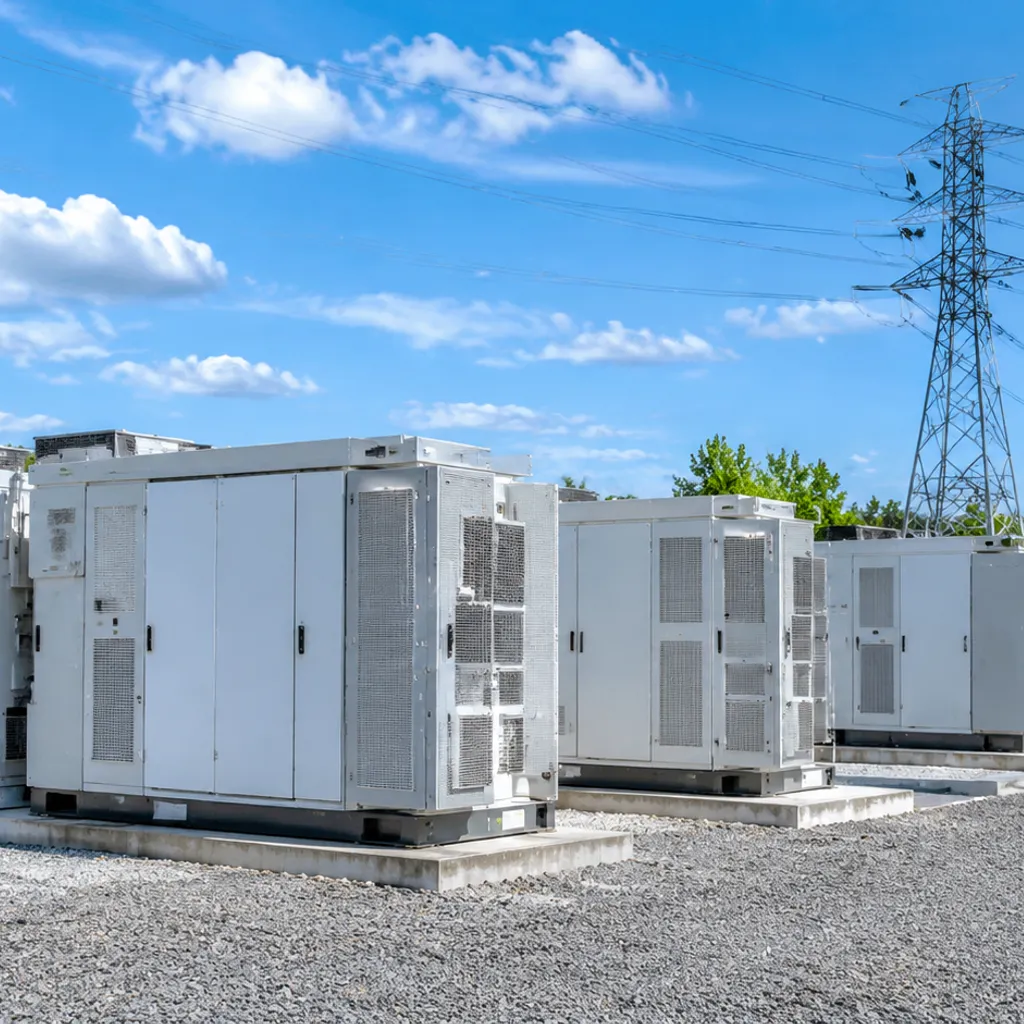
- Enclosure Protection: IP65-rated weatherproof enclosures suitable for both indoor utility rooms and sheltered outdoor perimeter mounts.
- Operating Temperature Range: Intelligent thermal management supports charging from 0°C to 50°C and discharging from -20°C to 55°C, ensuring reliable operation across demanding climate conditions.
Key System Hardware and Component Integration
Our 15kW solar-plus-storage solutions rely on high-performance integration to ensure stability and efficiency. We prioritize seamless communication between hardware layers to deliver reliable energy management. Proper energy storage system architecture and design guide principles are embedded in every unit we manufacture.
Core Hardware Components
- Hybrid Inverter Engineering: Our inverters support complex grid interactivity, including seamless switching between grid-tied, off-grid, and generator-backed modes.
- Modular LiFePO4 Battery Modules: We utilize stackable, high-density Lithium Iron Phosphate cells that allow for flexible capacity expansion, enabling installers to scale storage as project requirements grow.
- Intelligent BMS Integration: Our proprietary Battery Management System supports multi-protocol CAN and RS485 communication, ensuring the battery communicates perfectly with our hybrid inverters and third-party global protocols.
- Comprehensive Monitoring: Every system includes integrated cloud monitoring platforms, local status displays, and dedicated mobile app controls, providing real-time data on consumption, battery state-of-charge, and grid interaction.
By standardizing our communication protocols and hardware interfaces, we ensure that our 15kW solar inverter and battery package operates as a unified, high-efficiency ecosystem suitable for demanding commercial and residential environments.
Battery Sizing and Storage System Design
Sizing energy storage requires separating instantaneous power from stored energy capacity. As a direct 15kw solar system with battery storage manufacturer, we help buyers balance peak inverter loads (kW) against total run-time capacity (kWh) to build reliable, cost-effective installations.
Calculating Daily Consumption and Peak Power Demands
Before configuring the battery bank, calculate two distinct metrics:
- Peak Load Demand (kW): The combined wattage of all electrical equipment running simultaneously. A 15kW hybrid inverter handles continuous electrical draws up to 15kW, accommodating heavy inductive loads such as central HVAC units, three-phase pumps, and processing equipment.
- Total Energy Consumption (kWh): The sum of kilowatt-hours consumed across a 24-hour cycle. High daytime usage can be powered directly by solar generation, leaving battery reserves for peak tariff periods and night operations.
Matching Usable Battery kWh Storage to Project Backup Needs
A battery bank must store enough usable energy to handle essential and non-essential loads when solar output drops. We build our packs using Tier-1 A-grade LiFePO4 cells rated at 80% Depth of Discharge (DoD) to ensure high usable capacity without shortening cell life.
For installations requiring flexible capacity, we engineer a modular battery energy storage system for scalable power, allowing clients to match exact runtime targets.
| Storage Capacity | Usable Energy (80% DoD) | Primary Application Scenario | Backup Duration (at 5kW Continuous Draw) |
|---|---|---|---|
| 15kWh | ~12.0 kWh | Basic overnight residential self-consumption | ~2.4 Hours |
| 20kWh | ~16.0 kWh | Standard commercial peak-shaving & TOU arbitrage | ~3.2 Hours |
| 30kWh | ~24.0 kWh | Full overnight autonomy for estates and small businesses | ~4.8 Hours |
| 40kWh+ | ~32.0+ kWh | Multi-day autonomy, off-grid farms, and cold storage | ~6.4+ Hours |
Addressing Overnight Energy Requirements and Autonomy Targets
For projects targeting complete self-reliance or weak-grid resilience, overnight load calculations dictate total capacity:
- Nighttime Baseloads: Calculate the continuous draw from refrigeration, security systems, data servers, and climate controls between sunset and sunrise (typically a 10 to 14-hour window).
- Autonomy Days: Off-grid sites require a safety buffer of 1.5 to 2 days of energy reserves to handle prolonged cloud cover or rainy periods without cycling auxiliary generators.
- Expandable Architecture: Utilizing our low-voltage 48V 5kWh to 50kWh battery energy storage system enables seamless parallel expansion as site loads grow.
Preventing Undersizing and Thermal Degradation in High-Cycle Use
Undersizing a battery bank forces individual cells to discharge at higher C-rates, accelerating heat buildup and chemical degradation.
- Optimal C-Rate Discharge: We design our LiFePO4 battery modules to run at conservative discharge rates (0.5C to 0.8C), maintaining cool operating conditions and securing over 6,000 cycles.
- BMS Thermal Safeguards: Every module integrates cell-level thermal sensors and multi-stage hardware protection to balance charge currents, prevent hot spots, and maintain peak round-trip efficiency during heavy cyclic operation.
Target Applications for 15kW Solar-Plus-Storage
Large Residential Properties with High Daily Consumption
Modern multi-story homes, luxury estates, and villas often draw substantial instantaneous power that smaller systems cannot handle.
- Heavy-load management: Powers multiple central air conditioning units, heat pumps, EV chargers, and pool filtration pumps simultaneously.
- Full home autonomy: Delivers true whole-home backup during utility outages without forcing homeowners to isolate essential circuits.
- Self-consumption optimization: Stores excess daytime solar yield in modular battery banks to completely avoid peak evening utility tariffs.
Small Commercial Businesses, Light Industrial Sites, and Retail Facilities
For commercial operations, power quality and continuity directly impact revenue. We supply systems configured as a robust 15kW commercial solar energy storage system to lower operational expenditures.
- Peak load shaving: Automatically discharges stored battery energy during high-demand business hours to lower commercial demand charges.
- Uninterrupted retail continuity: Keeps cold storage, point-of-sale terminals, security servers, and lighting operational during grid failures via sub-10ms UPS-grade switching.
- Workshops and small fabrication: Absorbs motor start-up surges from light machinery, CNC equipment, and air compressors without tripping or voltage sag.
Off-Grid Remote Properties, Agricultural Farms, and Weak-Grid Environments
In isolated zones or edge-of-grid regions, utility power is either unstable or entirely absent. Our engineers configure reliable 15kW off-grid solar power system setups designed to withstand these operating challenges.
- Farms and irrigation: Operates three-phase deep-well water pumps, livestock ventilation fans, and processing equipment independently.
- Weak-grid stabilization: Mitigates severe voltage drops and frequent brownouts by utilizing our proven battery energy storage system in weak-grid applications.
- Remote microgrids and eco-resorts: Integrates directly with auxiliary diesel or gas generators via our dedicated off-grid energy storage system with battery architecture, cutting fuel consumption by over 70% while maintaining round-the-clock silent power.
Factory-Direct OEM and ODM Manufacturing Services
As a dedicated 15kw solar system with battery storage manufacturer, we provide comprehensive OEM and ODM solutions for global distributors, EPC contractors, and system integrators. By working directly with our assembly lines, you bypass middle-tier markups and gain full control over hardware customization, visual identity, and technical parameters.
We engineer turnkey hardware backed by our comprehensive battery storage for solar PV system factory solutions, giving you stable supply chains and competitive factory margins.
Custom Private-Label Branding, Packaging, and Enclosure Styling
We turn standard energy equipment into your proprietary brand assets:
- Sheet Metal and Enclosure Colors: Choose custom powder-coat RAL colors for inverter housings and stacked battery cabinets to match your brand identity.
- Laser Marking and Silkscreening: Precision placement of your logo, model designations, and rating plates across all hardware faces.
- Branded Industrial Packaging: Reinforced palletizing, customized outer cartons, and drop-tested protective packaging bearing your visual design and warehouse barcodes.
- White-Label Documentation: Fully neutral or branded user manuals, quick-start installation guides, and warranty cards delivered in your target language.
Tailored Firmware Adaptations for Local Grid Codes and Standards
Different regional markets present unique grid regulations and technical hurdles. Our firmware engineering team pre-configures system software prior to dispatch:
- Grid Code Compliance: Factory-flashed parameters for European, North American, Australian, and emerging market interconnect requirements (including frequency/voltage trip points and anti-islanding profiles).
- BMS and Inverter Protocol Matching: Proprietary CAN and RS485 communication protocols tuned to seamlessly interface with local monitoring platforms and auxiliary balance-of-system hardware.
- Custom Operating Logic: Pre-programmed defaults for zero-export limitations, peak-load shaving, or microgrid diesel generator synchronization.
Wholesale Pricing Tiers, Sample Units, and Scalable Production Runs
| Procurement Tier | Typical Order Volume | Customization Level | Production Lead Time |
|---|---|---|---|
| Engineering Sample | 1 – 2 complete systems | Standard finish or fast-track branding for testing | 7 – 14 business days |
| Distributor Pilot | 10 – 30 systems | Custom logo, customized packaging, regional firmware | 20 – 25 business days |
| Volume Production (FCL) | 1x 40HQ Container+ | Full ODM enclosure tailoring, custom colorways, dedicated QA | 30 – 35 business days |
Our volume tiers reward scalable purchasing with tiered unit discounts, locked bill-of-materials (BOM) pricing, and priority allocation of Tier-1 LiFePO4 cells during high-demand cycles.
Direct Factory Technical Support and Engineering Documentation
Partnering with us means direct access to the engineers who designed your equipment:
- Engineering Schematics: Complete electrical line diagrams, terminal connection maps, and CAD mechanical drawings for fast-track local permitting.
- Dedicated B2B Support: Direct escalation paths to senior hardware and software engineers, avoiding standard customer-service call centers.
- Product Testing Reports: Cell-level batch reports, factory acceptance test (FAT) documentation, and flash test validation records included with every delivery run.
Manufacturing Quality Standards, Safety, and Compliance
As a dedicated 15kw solar system with battery storage manufacturer, we maintain strict quality control at every phase of assembly to ensure reliable operation in demanding residential and commercial environments.
Cell-Level Sorting, Automated Testing, and QA Traceability
Every energy storage unit begins with factory-graded Tier-1 Lithium Iron Phosphate (LiFePO4) chemistry. Before module assembly, our automated lines sort and match cells by capacity, internal resistance, and voltage stability:
- Barcode Traceability: Every cell carries a unique laser-etched code linking back to its original manufacturing batch, incoming testing log, and final pack assignment.
- Automated Capacity Grading: Cells undergo multi-cycle charge and discharge aging tests to eliminate early failures before they enter pack assembly.
- Precision OCV/ACIR Matching: Strict voltage and impedance pairing prevents pack imbalances and maximizes usable service life beyond 6,000 cycles.
Comprehensive Electrical, Thermal, and Short-Circuit Protections
Our integrated battery management systems work alongside our 15kW hybrid inverters to deliver layered hardware and software safety:
- Multi-Point Thermal Monitoring: Embedded sensors track temperatures across module cells, BMS circuit boards, and inverter heat sinks.
- Short-Circuit & Overcurrent Interruption: Fast-acting hardware fuses and software trip mechanisms isolate faults within milliseconds.
- Enclosure Integrity: Battery banks and inverters feature IP65-rated enclosures that shield sensitive electronics from dust, moisture, and harsh ambient conditions.
International Market Certifications (UL, CE, IEC, UN38.3)
Our factory designs systems to meet regional grid codes and safety regulations across global markets. For a deeper look at our compliance standards and manufacturing testing, review our verified quality certifications for battery energy storage.
| Component | Standard / Certification | Scope |
|---|---|---|
| Battery Modules | IEC 62619, UL 1973 | Industrial and stationary battery electrical safety |
| Complete ESS System | UL 9540, CE EMC/LVD | System-level integration, fire safety, and grid safety |
| Hybrid Inverters | IEC 62109-1/-2, VDE-AR-N 4105 | Power conversion and regional grid-connection standards |
| Battery Transport | UN38.3, MSDS | Safe air, sea, and road freight handling |
Shipping Compliance, Industrial Packaging, and Warranty Terms
Safe logistics and dependable after-sales coverage are core to our OEM and wholesale partnerships:
- Heavy-Duty Packaging: All hybrid inverters and modular battery cabinets ship in reinforced, moisture-barrier wooden crates rated for international ocean and air freight.
- Hazardous Goods Handling: Every LiFePO4 battery consignment includes certified UN-rated packaging, drop-tested structural protection, and complete dangerous goods (DG) documentation.
- Standard Factory Warranty: We back our 15kW systems with a comprehensive 5-to-10-year factory warranty, supported directly by our engineering teams for rapid replacement parts and technical resolution. To understand how cell chemistry influences long-term durability, consult our LFP battery energy storage guide covering performance, cost, and lifecycle metrics.
15kW Solar System Pricing and Procurement Factors
As a dedicated 15kW solar system with battery storage manufacturer, we offer direct factory pricing without intermediary markups. Because commercial projects and residential estates have varying load requirements, pricing is structured around three core hardware components: solar array wattage, inverter capabilities, and total battery capacity.
Key Cost Variables: PV Wattage, Battery kWh, and Inverter Specs
Every project requires a balanced power-to-storage ratio. The final wholesale 15kW solar system price depends on your specific hardware mix:
| Hardware Component | Standard Selection Range | Main Cost Drivers |
|---|---|---|
| Solar PV Array | 15kWp – 22.5kWp (Tier-1 Monocrystalline) | Total module wattage, cell efficiency, and mounting hardware |
| Hybrid Inverter | 15kW (Single-phase or Three-phase) | High-voltage vs. low-voltage bus, multi-MPPT counts, and off-grid generator ports |
| LiFePO4 Storage Bank | 15kWh to 40kWh+ modular capacity | Stackable modular units, cell grade, and high-voltage BMS architecture |
| System Balance (BOS) | Combiner boxes, rapid shutdown, DC breakers | Grid-code certifications, safety compliance ratings, and IP65 accessories |
For distributors evaluating smaller commercial or residential capacity steps, our engineering team also produces scaled solutions such as a 10kW solar system with battery storage manufacturer China package to match regional project budgets.
Critical Site Data Required for an Accurate Manufacturer Quotation
To deliver an accurate, factory-direct quote within 24 hours, our engineering department reviews your local installation parameters:
- Grid Connectivity: Pure off-grid, grid-tied with export limitation, or hybrid backup.
- Electrical Service: Split-phase (120V/240V) or three-phase (208V/400V/480V) line requirements.
- Autonomy Demand: Target backup duration in hours and critical overnight loads.
- Ambient Operating Conditions: Extreme local temperature ranges for thermal enclosure design.
Order Volumes, Production Lead Times, and Global Shipping Options
We operate standardized automated production lines to maintain rapid delivery schedules for global EPCs, installers, and project developers:
- Sample and Trial Orders: Evaluation sample units are assembled, tested, and dispatched within 7 to 15 business days.
- Standard Batch Production: Container-load volumes (20ft/40ft HQ) complete manufacturing within 20 to 30 business days.
- Logistics and Documentation: We support EXW, FOB, CIF, and DDP terms with complete UN38.3, MSDS, and maritime dangerous-goods compliance for hassle-free customs clearance.
Installation Support and Engineering Guidance
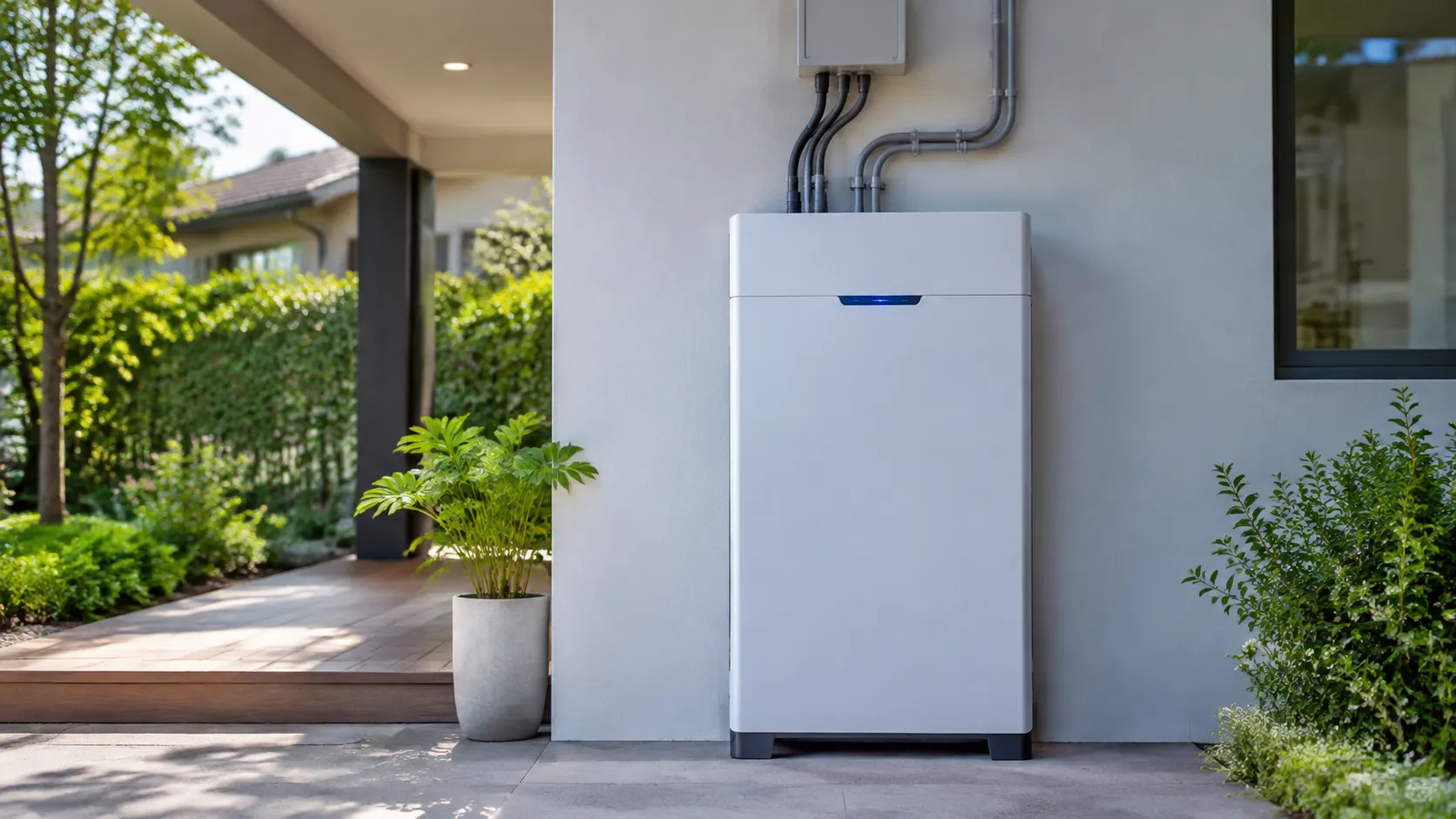
Mechanical Mounting Specifications and Electrical Schematics
Our hardware packages include pre-engineered schematics and layout requirements designed to speed up on-site assembly:
- Wall and Ground Mounting: Pre-drilled bracket templates for the 15kW hybrid inverter, plus floor-anchoring base plates for modular, stacked battery enclosures.
- Clearance Requirements: Minimum 300 mm side clearance and 500 mm top clearance to maintain convection cooling across IP65 enclosures.
- Detailed Wiring Diagrams: Single-line diagrams (SLDs) covering DC array inputs, AC grid interconnection, dedicated backup sub-panels, and generator input terminals.
| Component | Mounting Method | Protection Rating | Required Wire Gauge (Typical) |
|---|---|---|---|
| 15kW Hybrid Inverter | Wall-mount bracket | IP65 | 6–10 AWG (PV), 2–4 AWG (AC grid/load) |
| LiFePO4 Battery Bank | Stackable / Floor-mount | IP65 | High-voltage DC quick-connect plugs |
| Combiner & Isolators | Integrated DIN-rail | IP65 | Matched to array string configuration |
Inverter-to-Battery Wiring and Commissioning Procedures
We streamline site integration by standardizing wire runs, high-voltage interlocks, and plug-and-play busbar connectors:
- Physical DC Coupling: Secure the modular battery blocks onto the base unit, locking the internal busbars and power conduits between modules.
- Signal Wiring: Connect the shielded CAN/RS485 communication line from the master battery BMS port directly into the inverter's BMS communication input.
- Pre-Power Verification: Test DC string open-circuit voltages (Voc) and verify polarity across all inputs before energizing DC isolators.
- Boot Sequence & Auto-Detection: Power on the battery bank first, followed by the solar array, and then grid AC power. The hybrid inverter automatically establishes BMS handshakes, reading cell status and configuring target charge/discharge thresholds in alignment with our battery energy storage system life prediction guide.
Remote Diagnostic Tools, Technical Troubleshooting, and Installer Support
We back installers with digital tools and direct factory engineering backup to resolve site hurdles immediately:
- Cloud Diagnostic Gateway: Every 15kW inverter includes Wi-Fi, Ethernet, or 4G/GPRS telemetry modules, letting our factory technicians review real-time cell voltages, inverter phase balancing, and firmware logs remotely.
- Firmware Flashing & Remote Parameter Updates: If local grid connection rules change or specific battery limits require adjustments, we deliver remote firmware updates directly through the monitoring portal.
- Dedicated Factory Support Desk: Certified solar contractors get direct phone and messaging access to our tier-2 power electronics engineers during live commissioning, reducing troubleshooting delays to minutes instead of days.
Frequently Asked Questions About 15kW Solar Systems
As an experienced 15kW solar system with battery storage manufacturer, we regularly address technical and procurement questions from distributors, EPC contractors, and commercial installers. Here are direct answers to the most common queries regarding our hardware configurations and production capabilities.
What does a 15kW rating define: inverter output, solar panel array, or both?
In our manufacturing specifications, a 15kW rating primarily defines the continuous AC output capacity of the hybrid inverter.
Inverter Output: Delivers up to 15,000 watts of continuous AC electricity to power facility loads or export to the grid.
PV Array Capacity: The solar panel array can be oversized (typically up to 19.5kW to 22.5kW DC) to maximize energy harvesting during low-irradiance hours and simultaneously charge the battery bank while powering active loads.
How much battery storage in kWh can be connected to a 15kW system?
Storage capacity is decoupled from inverter power rating. Depending on project backup autonomy requirements, our systems support scalable configurations:
Standard configurations: Typically paired with 15kWh to 30kWh battery banks for daily self-consumption and peak load shaving.
Extended storage: Scalable beyond 40kWh to 60kWh using modular battery towers for off-grid operations or multi-hour critical facility backup.
To evaluate architecture options, review our dedicated guide to types of battery energy storage systems.
Can battery capacity be expanded at a later stage?
Yes. We engineer our modular LiFePO4 battery modules for seamless field expansion. Installers can add battery modules in parallel or stack additional high-voltage units onto the existing master BMS rack without replacing the original hybrid inverter or redesigning system wiring.
Does the 15kW hybrid inverter support three-phase electrical systems?
Yes. Our factory produces both single-phase and three-phase hybrid inverter models. The three-phase 15kW hybrid unit delivers balanced 400V/230V or 208V/120V output (depending on destination grid parameters) and supports up to 100% unbalanced loads across phases, making it an ideal commercial solar battery backup supplier choice for workshops and light industrial sites.
How fast does the system switch to battery power during a grid outage?
Our units feature an integrated automatic transfer switch (ATS) with a transition time of less than 10 milliseconds (<10ms). This true UPS-level seamless switching prevents power interruption to sensitive IT equipment, communication servers, and critical industrial electronics during sudden blackout events.
Can this system operate entirely off-grid with an auxiliary generator?
Yes. The 15kW system supports 100% off-grid operation. Our hybrid inverters include dedicated dry contacts for automatic generator start (AGS), allowing the system to start a diesel or gas backup generator automatically when battery state-of-charge (SoC) drops below predefined thresholds.
What global safety certifications and grid interconnection standards are supported?
We manufacture all equipment in accordance with global electrical and transport safety standards:
Battery Safety: UL1973, UL9540A, IEC 62619, CE, and UN38.3 transport certification.
Inverter Grid Compliance: CE, IEC 62109-1/-2, VDE-AR-N 4105, EN 50549, and regional anti-islanding standards.
Pre-configured firmware can be provided for specific regional utility interconnection requirements. Explore our grid-connected battery storage system range for technical verification.
What information is required to get a custom factory quote?
To receive an accurate B2B wholesale quotation, provide our engineering team with:
Required grid phase and voltage (Single-phase 220/230V vs. Three-phase 380/400V/480V).
Planned battery storage capacity (target kWh backup requirement).
Mounting format preference (wall-mount, rack-mount, or stackable high-voltage tower).
Estimated project volume and target delivery port.
Do you offer white-label OEM branding and custom packaging for distributors?
Yes. As a factory-direct solar power system manufacturer OEM, we provide comprehensive private-label services. We support custom enclosure paint colors, logo silkscreening, customized metal chassis stampings, distributor-branded monitoring app UI, and reinforced palletized packaging tailored for containerized sea and air freight.