Formula details
Product Details
Overview
Product Overview: 930 kW 4-Hour BESS Architecture
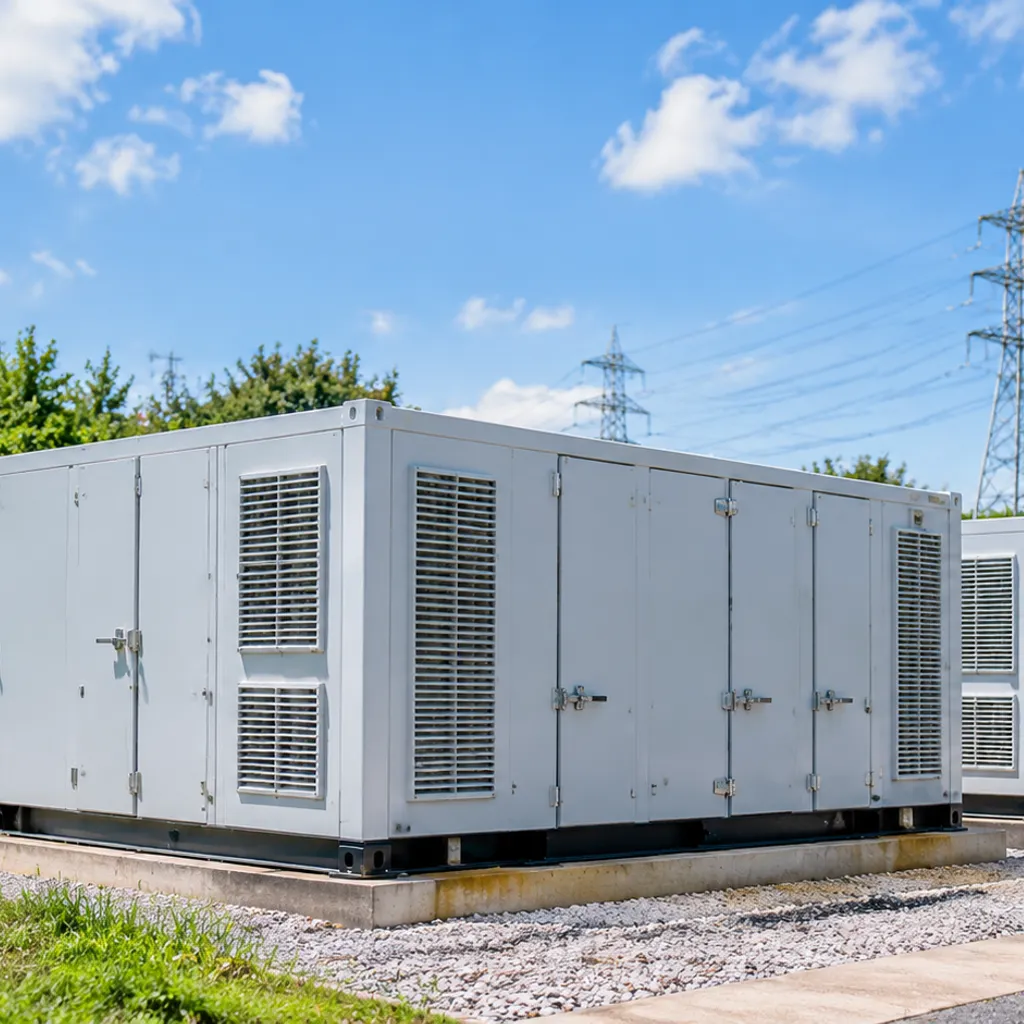
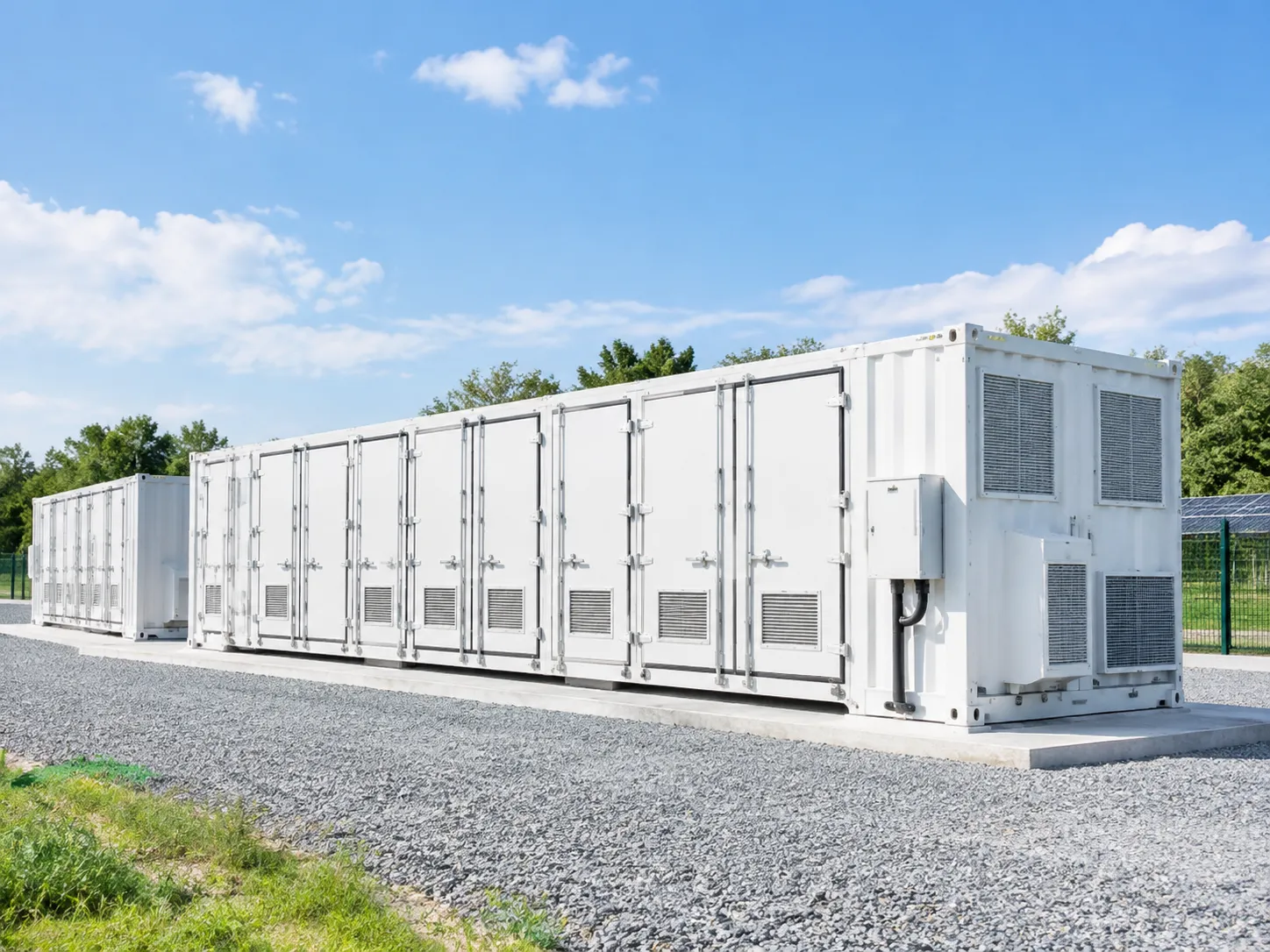
High-Density LFP Chemistry in an ISO 20ft Container
Our standard 20ft containerized battery system maximizes energy density while maintaining strict structural and thermal integrity. Inside, premium lithium iron phosphate (LFP) cells deliver intrinsically safe, long-cycle performance.
- Total Energy Capacity: 3.72 MWh (3,720 kWh) nameplate storage
- Rated Continuous Output: 930 kW continuous discharge for a full 4 hours
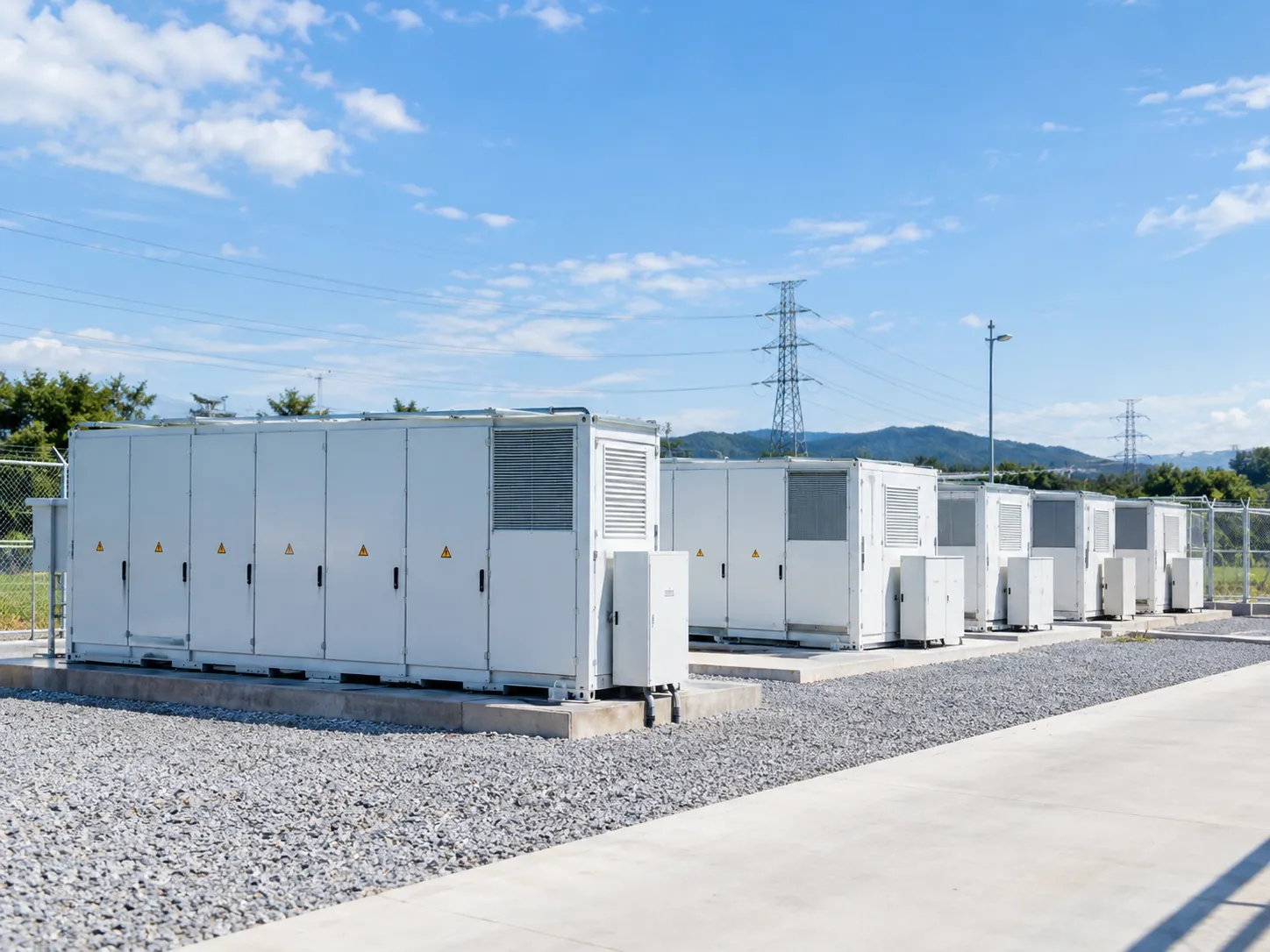
- Form Factor: Standard ISO 20ft high-cube shipping container
- Safety Foundation: Thermally stable LFP cells engineered to eliminate thermal runaway propagation
Fully Integrated Power and Control Architecture
Every unit functions as a completely self-contained energy block. We integrate the primary conversion, control, and balance-of-plant hardware inside the enclosure to eliminate external equipment dependencies and slash on-site commissioning time.
- BESS Power Conversion System (PCS): Bidirectional inverters matched precisely to the 930 kW output curve.
- 3-Tier Battery Management System (BMS): Microsecond-level monitoring across cell, rack, and container levels to protect against overvoltage, deep discharge, and temperature spikes.
- Auxiliary Distribution System: Internal power routing for closed-loop thermal control, lighting, dynamic safety interlocks, and automated fire protection.
Target Deployments: Industrial Facilities and Utility Distribution
We optimized this 3.72 MWh battery storage platform for high-impact behind-the-meter and front-of-the-meter operations:
- Commercial and Industrial Operations: Mitigate severe peak demand charges, capture low-cost off-peak power, and secure resilient backup for critical infrastructure.
- Utility Substation Support: Relieve distribution transformer congestion, inject fast reactive power, and smooth intermittent renewable generation on local feeders.
Modular Scaling for Multi-Megawatt Project Capacities
Our containerized energy storage system uses a parallel-ready architecture. Site operators can deploy a single 930 kW / 3.72 MWh block for a commercial microgrid or parallel dozens of containers through a shared medium-voltage step-up transformer to build 10 MW to 100 MW+ utility-scale energy storage plants. The internal control software automatically aligns unit dispatches, giving you uniform degradation and centralized control across the entire fleet.
Technical Specifications: Electrical, Physical, and Environmental Matrix
By pairing a 3,720 kWh DC block with an integrated power conversion unit, this standard 20ft enclosure delivers predictable dispatch for heavy commercial loads and substation-level interconnection.
DC Battery Storage and Inversion Parameters
The DC battery array runs on a stable 0.25C charge and discharge profile, cutting thermal stress across daily four-hour cycling regimes. Our integrated utility-scale battery storage containers combine high-capacity LFP packs with a bidirectional PCS to hit consistent round-trip efficiency.
| Parameter | Design Specification |
|---|---|
| Rated AC Power Output | 930 kW |
| Nominal DC Energy Capacity | 3,720 kWh (3.72 MWh) |
| Discharge Duration | 4.0 Hours @ rated power |
| Continuous C-Rate | 0.25C |
| DC Voltage Range | 850 VDC to 1350 VDC |
| AC Output Voltage Options | 400 VAC / 480 VAC / 690 VAC (3-Phase, 3W+PE / 4W) |
| AC Grid Frequency | 50 Hz / 60 Hz auto-sensing |
| System Round-Trip Efficiency (RTE) | ≥ 88.5% (BOL, including auxiliary loads) |
| Power Factor Range | -0.9 leading to +0.9 lagging (adjustable) |
Enclosure Footprint and Site Operating Limits
We house the entire battery assembly, conversion hardware, and thermal loops inside a reinforced ISO shipping shell engineered for harsh industrial terrain.
- Footprint: Standard 20ft High Cube Container (6,058 mm × 2,438 mm × 2,896 mm).
- Total Gross Weight: Approximately 38,000 kg fully integrated.
- Ingress & Enclosure Rating: IP55 / NEMA 3R dual-rated protection against driving rain, sand, and fine particulate ingress.
- Corrosion Class: ISO 12944 C4 standard marine-grade coating, with optional C5-M treatment for extreme coastal deployments.
- Ambient Operating Range: -30°C to +55°C (de-rating applied above 45°C).
- Relative Humidity: 0% to 95% non-condensing.
- Operating Altitude: Rated up to 2,000 meters above sea level without power derating; engineered high-altitude builds available up to 4,000 meters.
Thermal and Safety Engineering: Liquid Cooled Battery Storage
Safety and thermal balance dictate the operational life of any high-capacity battery energy storage system bess 930 kw 4 hour deployment. In our 3.72 MWh platform, we replace conventional forced-air cooling with precision liquid cooling to protect cell health under heavy duty cycles while drastically cutting parasitic energy draw.
Closed-Loop Liquid Cooling Architecture
Our design mounts dedicated channel-plate cooling blocks directly against the lithium iron phosphate cell blocks. This setup eliminates internal hot spots and delivers consistent thermal performance across all 3,720 kWh of capacity:
- Cell-to-Cell Delta T: Kept under 2.5°C across the entire rack assembly, extending cell cycle life and preventing localized cell degradation.
- Parasitic Load Reduction: Cuts auxiliary power consumption by up to 30% compared to traditional air-cooled HVAC units, maximizing net export efficiency.
- Stable Thermal Core: The closed-loop chiller maintains uniform internal operating temperatures even during continuous 0.25C deep-discharge cycles in extreme outdoor climates.
| Thermal Metric | Standard Forced-Air BESS | Our Liquid-Cooled 930 kW BESS |
|---|---|---|
| Max Cell Delta T | 5°C – 8°C | ≤ 2.5°C |
| Auxiliary Power Draw | Baseline (100%) | Up to 30% lower |
| Enclosure Footprint | Larger (ductwork required) | Compact 20ft container |
Multi-Stage Fire Protection and Detection
We treat fire mitigation through proactive early prevention rather than just reactive suppression. Our safety layout identifies thermal runaway events minutes before open flames or dangerous temperature spikes occur:
- Early Off-Gas Monitoring: We integrate advanced battery storage fire detection with off-gas sensor hardware to spot trace emissions of hydrogen (H2), carbon monoxide (CO), and volatile organic compounds (VOCs) at the rack level.
- Discrete Rack Thermal Sensors: High-accuracy thermistors monitor busbar junctions and individual module hot spots for instant fault isolation.
- Targeted Clean Agent Suppression: Automated gaseous fire suppression floods individual pack compartments immediately upon gas and heat confirmation, stopping propagation without damaging adjacent electrical components.
- Deflagration Venting: Roof-integrated pressure-relief panels release explosive internal gas pressures safely upward, adhering strictly to global containerized energy storage safety mandates.
Control Architecture: 3-Tier BMS and Cloud EMS
Precise control across every cell determines the safety and lifespan of your installation. Our battery energy storage system bess 930 kw 4 hour uses a dedicated 3-tier Battery Management System (BMS) paired with an edge-to-cloud Energy Management System (EMS). This setup delivers millivolt-level accuracy, continuous balancing, and instant fault mitigation before minor anomalies become operational bottlenecks.
[System Layer] Master BMS & Cloud EMS (Fleet orchestration, SCADA integration)
▲
[Rack Layer] String Controller (Current sensing, string breaker actuation)
▲
[Cell Layer] Module BMU (Voltage & temp monitoring, active cell balancing)
Hierarchical Control Structure
We split monitoring duties across three physical layers to eliminate single points of failure, aligning directly with our robust energy storage system architecture and design guide:
- Tier 1: Cell Level (BMU): Dedicated sensor taps track individual cell voltages within ±2 mV and surface temperatures within ±1°C, applying active balancing on every cycle.
- Tier 2: Rack Level (RBMS): Monitors string-level current, manages branch disconnect contactors, and calculates string State of Charge (SoC) and State of Health (SoH).
- Tier 3: System Level (SBMS): Aggregates data from all battery racks, dictates charging/discharging limits to the power conversion system, and manages auxiliary cooling loops.
Industrial SCADA and Protocol Interfaces
The local controller supports open automation standards right out of the box, ensuring plug-and-play integration with utility substations, plant SCADA, and distributed energy resource management systems (DERMS):
- Modbus TCP/IP: Standard registers for rapid PLC integration and commercial microgrid controllers.
- DNP3: Secure, utility-grade communications protocol for North American power systems.
- IEC 60870-5-104: Standardized telecontrol protocol for international electrical substations.
Real-Time Telemetry and Automated Protection
Our integrated cloud EMS feeds real-time telemetry to your operators while running predictive analytics on cell degradation. If the system detects thermal runaways, overcurrent, or insulation faults, the protection logic acts autonomously:
- Sub-10ms Fault Isolation: Hardware interlocks trigger string and main DC breakers instantly to isolate localized electrical faults.
- Predictive Maintenance: Machine learning algorithms flag internal cell resistance changes, scheduling maintenance long before capacity loss affects your revenue.
- Edge Autonomy: If your primary network connection drops, the local controller maintains local schedules, safety protocols, and peak shaving routines without external cloud input.
Commercial and Grid Applications for 930 kW 4-Hour BESS
Automated Commercial Demand Charge Management
Industrial utility bills are heavily driven by peak 15-minute demand windows. Our 4-hour duration BESS eliminates these demand spikes automatically:
Multi-Hour Peak Shaving: Suppresses extended demand spikes that shorter 1-hour systems miss, holding facility load below tariff thresholds.
Dynamic Threshold Tracking: The automated controller monitors main breaker loads in real time, injecting power instantaneously when loads surge.
Operating Cost Reductions: Cuts monthly utility demand charges by up to 40% for factories, heavy processing plants, and EV fleet depots.
Solar-Plus-Storage Energy Arbitrage
Large commercial PV installations often generate surplus energy during low-value midday periods. Our system optimizes renewable revenue through scheduled energy shifting:
Midday Absorption: Stores excess generation during peak solar hours to avoid utility export curtailment.
Evening Discharge: Dispatches stored 3.72 MWh capacity during peak evening pricing windows to secure maximum time-of-use (TOU) arbitrage spreads.
Firm Interconnection Capacity: Keeps export levels strictly within utility interconnection limits without stranding generated solar assets.
Ancillary Grid Support and Utility Services
For utilities and substation operators, our grid-connected battery energy storage system for sale delivers mission-critical balancing reserves:
Fast Frequency Response (FFR): Sub-second inverter response injects active power during frequency drops to stabilize the local network.
Spinning Reserve & Firm Capacity: Replaces fossil fuel peaker plant capacity during transmission congestion events.
Voltage Regulation: Delivers four-quadrant reactive power (VAR) support day and night to keep distribution feeder voltages within tight limits.
Resilient Microgrids and Grid-Forming Islanding
When the central grid fails, our storage unit provides uninterrupted facility uptime. Working as an advanced grid-forming inverter battery energy storage system, the system seamlessly transitions to island mode:
Black-Start Capability: Establishes local voltage and frequency reference points without needing an external grid signal.
Seamless Islanding: Transfers critical hospital, data center, and industrial loads in less than 20 milliseconds to prevent process interruptions.
Generator Optimization: Integrates with onsite backup diesel or gas gensets, running them strictly at optimal efficiency bands to drastically cut fuel consumption.
Grid Compliance and Safety Standards for Our 930 kW 4-Hour BESS
Core Safety and Enclosure Benchmarks
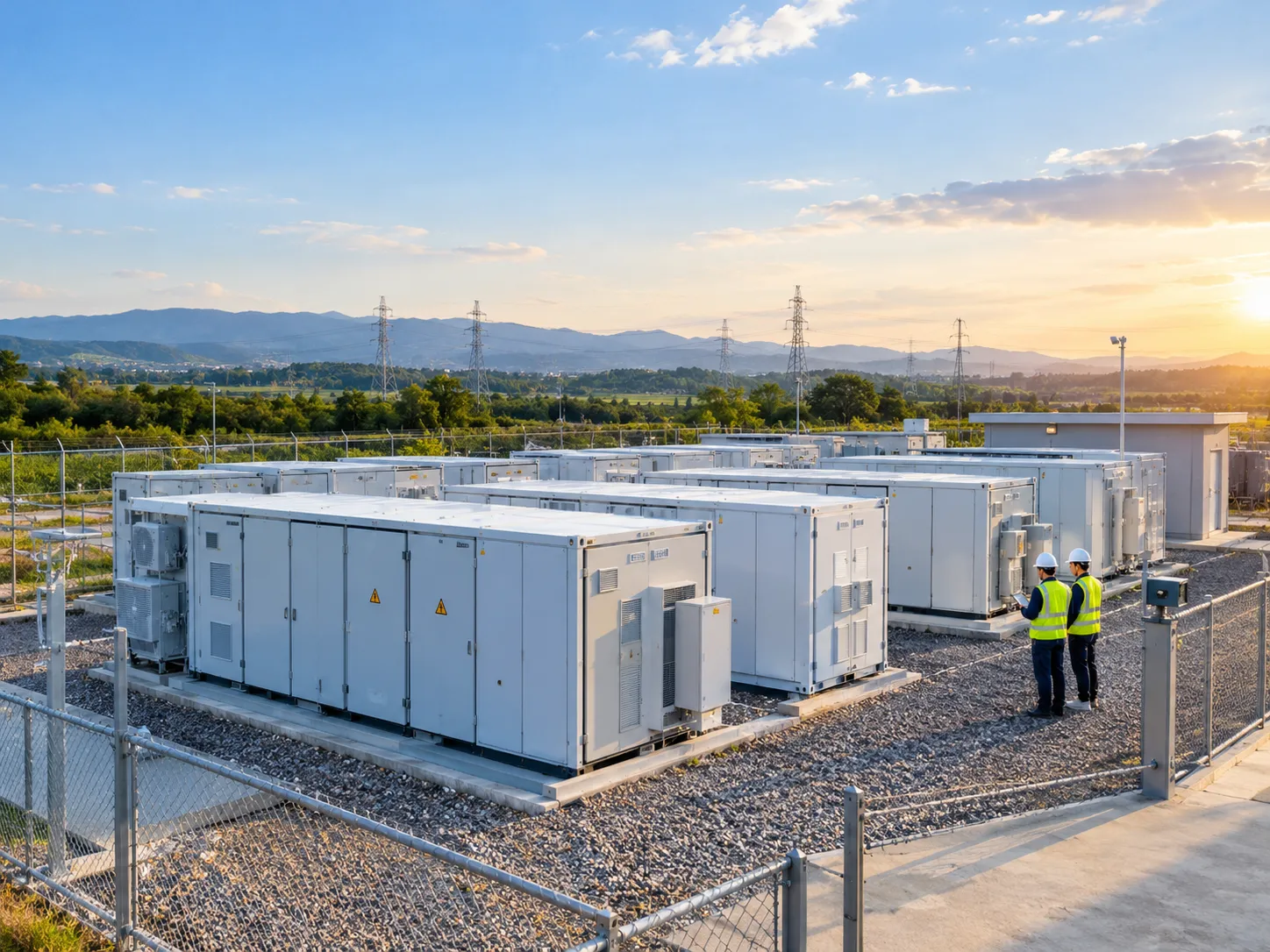
Our system uses an integrated defense-in-depth approach to cell and system safety, verified by third-party testing according to our rigorous quality certifications:
- UL 9540: Full system certification covering the safety of the integrated battery system, power conversion equipment, and controls.
- UL 9540A: Large-scale fire test evaluation data that confirms zero thermal runaway propagation between battery cells, modules, and adjacent racks.
- UL 1973: Standard compliance for stationary battery packs and DC modules under rigorous mechanical, electrical, and environmental stress.
Fire Safety and Siting Compliance
To simplify land-use approvals and local fire marshal sign-offs, our hardware directly meets critical fire-code mandates:
- NFPA 855: Siting design meets standard setback allowances and unit-separation criteria for 20ft containerized battery system deployments.
- NFPA 72 & NFPA 69: Automated notification networks, continuous gas detection, and engineered deflagration venting integrated into the enclosure structure.
Interconnection and Inverter Standards
Grid integration demands clean, responsive AC conversion. Our integrated power conversion systems comply with modern grid-support rules:
- IEEE 1547-2018: Standard for interconnection and interoperability of distributed energy resources, covering voltage/frequency ride-through and active power regulation.
- UL 1741-SB: Certified smart inverter compliance, enabling automated grid-support features like anti-islanding, reactive power dispatch, and fast frequency response.
Transportation and Shipping Certifications
- UN 38.3: Transport safety certification for lithium iron phosphate modules, ensuring full structural and electrical integrity during international ocean, rail, and road transit.
- CSC Certification: Standard 20ft high-cube ISO shipping container certification for secure transport, direct port handling, and standard crane rigging on job sites.
Warranty, Lifecycle Economics, and Procurement: 930 kW 4-Hour BESS
We back every battery energy storage system bess 930 kw 4 hour deployment with bankable warranties, clear degradation models, and comprehensive lifecycle support. As an experienced BESS company for utility-scale turnkey storage systems, we align our technical performance guarantees directly with your project's financial underwriting requirements.
10-Year Performance and Capacity Guarantee
Our standard commercial warranty protects your capital investment from day one through year ten, based on standard 1-cycle-per-day operation (0.25C charge/discharge profile).
| Parameter | Standard Coverage | Extended Option |
|---|---|---|
| System Workmanship | 5 Years | Up to 10 Years |
| BESS Power Conversion System (PCS) | 5 Years standard | Up to 10 Years |
| Capacity Retention Guarantee | ≥ 70% State of Health (SoH) at 10 Years | Augmentation plans for 15–20 Years |
| Throughput Warranty | Up to 14.5 GWh cumulative throughput | Custom degradation envelopes |
| Annual Degradation Target | < 2.0% to 2.5% per annum | Customized by duty cycle |
Preventive Maintenance, Spare Parts, and Remote Operations
Unplanned downtime cuts directly into your peak shaving and grid arbitrage revenue. We keep your 3.72 MWh container operational through proactive field service and digital diagnostics:
- 24/7 Remote Telemetry: Automated tracking of cell voltages, temperatures, string currents, and HVAC loop pressure with automatic alert dispatch.
- Preventative Maintenance (PM) Cadence: Semi-annual fluid quality checks, torque audits, filter replacements, and insulation resistance tests.
- Critical Spare Parts Kits: Strategic on-site or regional stock for PCS power modules, BMS master/rack boards, coolant pumps, contactors, and high-speed DC fuses.
- Rapid SLA: Tier-1 engineering support with guaranteed remote response within 2 hours and on-site service support within 24 to 48 hours.
RFQ Submission Guidelines
To accelerate your project timeline and receive an optimized equipment proposal, specify the following site parameters in your Request for Quote (RFQ):
- Site Environmental Profile: Minimum/maximum ambient temperatures, humidity, seismic zone, wind load, and elevation above sea level.
- Electrical Interconnection: Target point of interconnection (POI) voltage (e.g., 480V direct, or 13.8 kV / 34.5 kV via step-up transformer), utility fault currents, and metering requirements.
- Operational Duty Profile: Intended dispatch profile (daily peak shaving, solar-plus-storage integration, or multi-application revenue stacking).
- Target COD: Commercial Operation Date expectations to establish shipping schedules, factory acceptance testing (FAT), and site commissioning milestones.
Frequently Asked Questions About 930 kW 4-Hour BESS
What total energy capacity does a 930 kW 4-hour system deliver?
Our battery energy storage system bess 930 kw 4 hour configuration delivers 3,720 kWh (3.72 MWh) of nominal DC energy storage. Engineered for sustained discharge over four full hours, the system maintains a continuous 930 kW active power output on the AC side to reliably handle long peak windows and utility dispatch requirements.
Why select liquid cooling over air cooling for a 4-hour BESS?
Liquid cooling keeps internal cell temperature variations within a tight ΔT ≤ 2.5°C, preventing the localized hot spots common in forced-air layouts. Key operational advantages include:
Lower Parasitic Draw: Cuts auxiliary cooling power consumption by up to 30%, increasing overall round-trip efficiency.
Extended Cell Lifespan: Uniform heat dissipation across all 3.72 MWh of cells minimizes thermal aging.
Higher Energy Density: Eliminates bulky air ducting, allowing us to package full multi-megawatt-hour capacities inside a standard ISO 20ft container.
What clearances and setback distances does NFPA 855 require for a 20ft container?
Under standard NFPA 855 compliant energy storage guidelines, outdoor walk-in battery containers typically require a minimum 10-foot (3.05-meter) separation distance from:
Property lines and public ways
Adjacent structures and exposed combustible walls
Adjacent containerized battery enclosures
Note: Because our systems complete rigorous UL 9540A unit-level fire testing, local Authorities Having Jurisdiction (AHJs) often approve reduced setback distances based on proven non-propagation performance.
Can we scale multiple 930 kW units in parallel for larger substation connections?
Yes. We deploy each enclosure as a standardized building block within our modular battery energy storage system architecture. Multiple 930 kW / 3.72 MWh units can parallel on a shared AC bus, feeding skid-mounted medium-voltage transformers (e.g., stepping up to 13.8 kV or 34.5 kV) to build 10 MW, 20 MW, or 50+ MW grid-scale installations managed by a single central SCADA controller.
How does the 0.25C rate impact long-term LFP cell degradation?
A 4-hour discharge corresponds to a low 0.25C rate, which is exceptionally gentle on lithium iron phosphate (LFP) chemistry:
Low Kinetic Stress: Drastically reduces lithium-ion transfer resistance and prevents lithium plating during charge cycles.
Minimal Internal Heat: Generates far less internal resistance heating than 1C or 2C fast-response systems.
Superior Cycle Life: Enables cells to comfortably achieve over 6,000 to 8,000 full cycles while retaining strong state-of-health (SOH) margins throughout our 10-year warranty period.